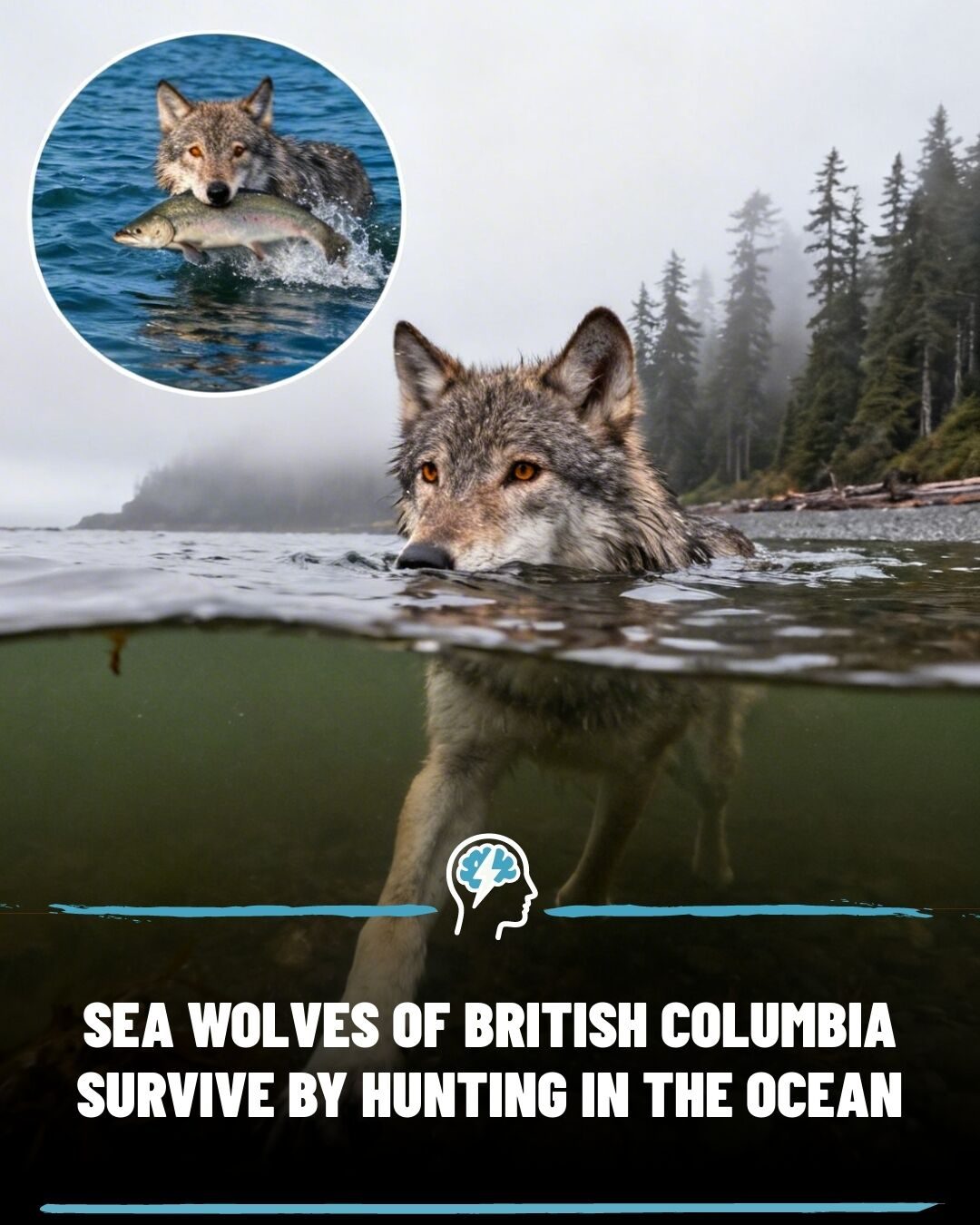
Sea Wolves of British Columbia: Masters of the Coastal Hunt
Along the rugged coastline of British Columbia, a unique population of grey wolves has evolved a lifestyle that defies traditional wolf behavior. Known as sea wolves, these animals have adapted to live more closely with the sea than the land, challenging our understanding of wolf ecology.
Why this Matters
The sea wolves of British Columbia offer a compelling example of how species can adapt to their environments in unexpected ways. This adaptation not only sheds light on the flexibility of wolf behavior but also highlights the importance of conserving diverse ecosystems.
The Unique Lifestyle of Sea Wolves
Diet and Hunting Strategies
Unlike their inland relatives, sea wolves have a diet that is heavily dependent on marine sources. Up to 90 percent of their diet comes from the sea, including salmon, herring, seals, and even beached whale carcasses. This shift in diet is a stark contrast to the deer and elk that inland wolves typically rely on.
Sea wolves have developed unique hunting strategies to thrive in their coastal habitat. They time their hunts with the tides and salmon runs, demonstrating a level of adaptation that goes beyond mere survival. These wolves are known to dive into frigid waters and swim remarkable distances, with the longest recorded swim being about 7.5 miles (approximately 12 kilometers).
Physical Adaptations
The physical characteristics of sea wolves reflect their coastal lifestyle. They are typically smaller than inland grey wolves and have developed thicker fur with distinctive red and brown accents. These physical adaptations help them handle the harsh coastal weather, which can be significantly different from the environments their inland counterparts inhabit.
Genetic Divergence
Research has shown that sea wolves have undergone genetic divergence from inland populations. This suggests that over generations, they have adapted to their unique environment in ways that distinguish them genetically from their inland relatives. This genetic divergence further underscores the specialized nature of their adaptation.
Threats and Conservation
Despite their remarkable adaptations, sea wolves face significant threats. Habitat disruption and human activity continue to pressure their coastal territory. Conservation organizations, such as the Raincoast Conservation Foundation, are actively working to protect over 56,000 square kilometers of the BC coast and eliminate trophy hunting in the region. These efforts are crucial for the survival of this unique population.
Practical Tips for Observing and Supporting Sea Wolves
Responsible Tourism
For those interested in observing sea wolves, responsible tourism is key. Visitors should ensure they do not disturb the wolves' natural behaviors or habitats. This includes maintaining a safe distance, minimizing noise, and following guidelines set by local conservation organizations.
Supporting Conservation Efforts
Supporting conservation organizations that work to protect sea wolves and their habitat is another practical way to contribute. Donations, volunteer work, and advocacy can all play a role in ensuring the survival of these unique animals.
Education and Awareness
Raising awareness about the unique adaptations and challenges faced by sea wolves can help garner support for their conservation. Sharing information with friends, family, and communities can foster a greater appreciation for these remarkable animals and the need to protect their habitats.
Important Takeaways
- Sea wolves of British Columbia have evolved to live a life more connected to the sea than the land, challenging traditional notions of wolf behavior.
- Their diet consists of up to 90 percent marine sources, including salmon, herring, seals, and beached whale carcasses.
- Physical adaptations, such as smaller size and thicker fur, help them survive in their harsh coastal environment.
- Genetic divergence from inland populations suggests generations of specialized adaptation.
- Conservation efforts, including habitat protection and elimination of trophy hunting, are crucial for their survival.
Conclusion
The sea wolves of British Columbia are a testament to nature's adaptability and resilience. Their unique lifestyle, characterized by a diet rich in marine sources and remarkable hunting strategies, offers valuable insights into the flexibility of wolf behavior. However, their existence is under threat, making conservation efforts all the more important. By understanding and appreciating these remarkable animals, we can contribute to their survival and the preservation of their coastal habitats.
Watch the Reel
Questions readers ask
What makes the sea wolves of British Columbia different from other grey wolves?
Sea wolves of British Columbia have evolved unique adaptations to thrive in a coastal environment. Unlike typical grey wolves, these sea wolves have developed specialized diets and hunting strategies tailored to the sea, making them distinct from their inland counterparts.
How do sea wolves in British Columbia hunt differently from other wolves?
Sea wolves employ unique coastal hunting strategies, such as targeting marine mammals and fish, which are more difficult to hunt than typical terrestrial prey. They have learned to navigate rocky shorelines and even swim to reach their targets.
What do sea wolves in British Columbia primarily eat?
The diet of sea wolves is heavily dependent on marine life, including seals, sea lions, and various fish species. This diet is a significant departure from the typical diet of other grey wolves, which primarily consists of terrestrial mammals like deer and elk.
How have sea wolves adapted genetically to their coastal lifestyle?
Sea wolves have developed unique genetic traits that allow them to survive in a coastal environment. These adaptations are believed to have evolved due to their reliance on marine food sources and their need to traverse and hunt in coastal habitats.
Why is the conservation of sea wolves in British Columbia important?
Conserving the sea wolf population in British Columbia is crucial for maintaining biodiversity. These wolves provide insights into how species can adapt to changing environments, and their presence supports the overall health of coastal ecosystems.
What are some of the threats facing the sea wolf population in British Columbia?
Sea wolves face several threats, including habitat loss due to human development, climate change, and conflicts with human activities such as fishing. Additionally, their isolation as a unique population makes them vulnerable to genetic issues associated with small, isolated populations.
How do sea wolves in British Columbia contribute to our understanding of wolf behavior?
Sea wolves demonstrate exceptional behavioral flexibility, challenging traditional notions of wolf ecology. Their unique adaptations and hunting strategies provide valuable insights into how wolves can evolve to exploit different environments and resources.
Related deep dives
Similar reads based on topic and creator.




Recent articles
Fresh deep dives from the latest Reels we unpacked.




Comments
Be the first to comment.