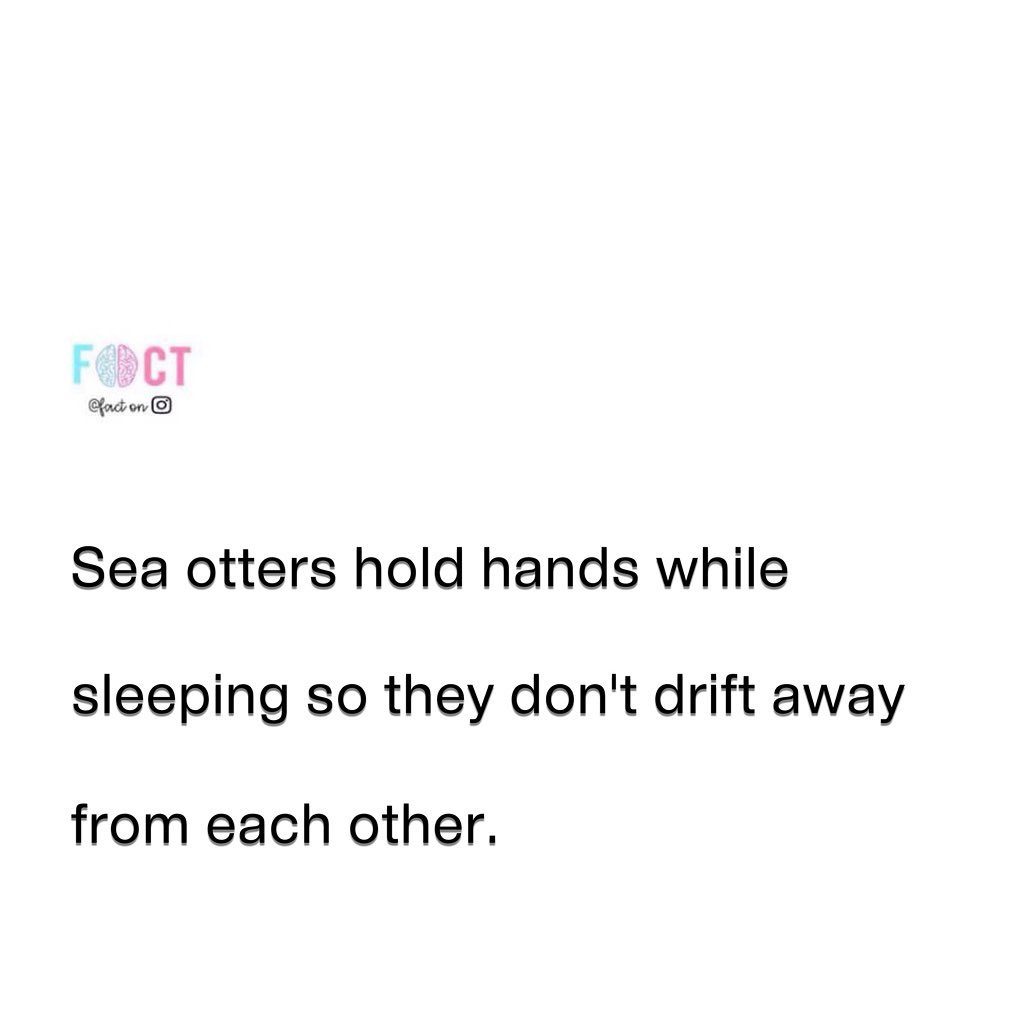
Sea Otters Hold Hands While Sleeping
Sea otters are fascinating marine mammals known for their playful behavior and unique adaptations. One of the most endearing habits of sea otters is their tendency to hold hands when they sleep. This behavior, while adorable, serves a practical purpose that is crucial for their survival.
Why This Matters
Understanding the behavior of sea otters is important for several reasons. It sheds light on their social structure, survival strategies, and the challenges they face in their natural habitat. Sea otters are a key species in marine ecosystems, and their habits provide valuable insights into the health of these ecosystems.
Main Discussion
Sleeping in Groups
Sea otters often sleep in groups, known as rafts, which can include dozens or even hundreds of individuals. These rafts can be seen floating on the surface of the water, with otters resting on their backs or sides. The rafts provide safety in numbers, helping to protect against predators and keep each other warm.
Sleeping in groups also allows sea otters to conserve energy. By staying close together, they can reduce the amount of energy they expend on maintaining their body temperature. This is particularly important in colder waters, where energy conservation is crucial for survival.
The Purpose of Holding Hands
The act of holding hands while sleeping is a behavior that has both social and practical implications. When sea otters sleep, they are vulnerable. Holding hands helps to anchor them to the group, preventing them from drifting away. This is particularly important in open water, where currents and waves can easily separate individuals.
The behavior also strengthens social bonds within the group. Sea otters are social animals, and maintaining strong relationships is essential for their well-being. By holding hands, they reinforce their connections and ensure that no individual is left alone.
Adaptations for Survival
Sea otters have several other adaptations that help them survive in their aquatic environment. Their dense fur, for example, provides excellent insulation, keeping them warm in cold waters. They also have webbed feet and a powerful tail, which help them swim efficiently. These adaptations, combined with their social behaviors, make sea otters well-suited to their marine habitat.
Threats to Sea Otters
Despite their adaptations, sea otters face several threats. Pollution, habitat destruction, and climate change all pose significant risks to their populations. Additionally, diseases and predation can impact their numbers. Understanding their behaviors, such as holding hands while sleeping, can help in conservation efforts by providing insights into their needs and vulnerabilities.
Practical Tips
If you're interested in learning more about sea otters and their behaviors, there are several things you can do:
-
Visit Marine Reserves: Many marine reserves and wildlife sanctuaries offer opportunities to observe sea otters in their natural habitat. This can provide a firsthand look at their behaviors and the challenges they face.
-
Support Conservation Efforts: Organizations dedicated to marine conservation often work to protect sea otters and their habitats. Supporting these efforts can help ensure the survival of these fascinating animals.
-
Educate Yourself: Reading about sea otters and their behaviors can provide a deeper understanding of their importance in marine ecosystems. There are many resources available, from books and documentaries to scientific articles and online resources.
-
Reduce Your Environmental Impact: Simple actions like reducing plastic use, conserving water, and supporting sustainable fishing practices can have a positive impact on marine life, including sea otters.
Important Takeaways
The behavior of sea otters holding hands while sleeping is a fascinating example of how social behavior can serve practical purposes. It helps them stay together, conserve energy, and strengthen social bonds. Understanding this behavior provides valuable insights into the lives of these marine mammals and the challenges they face.
Conclusion
Sea otters are remarkable animals with unique behaviors that have evolved to help them survive in their aquatic environment. The practice of holding hands while sleeping is just one example of how these animals have adapted to their surroundings. By learning more about their behaviors and the threats they face, we can better appreciate and protect these important members of marine ecosystems.
Watch the Reel
Questions readers ask
Why do sea otters hold hands when they sleep?
Sea otters hold hands while sleeping to stay together and prevent drifting apart, especially in strong currents. This behavior is particularly important for their survival, as it helps them conserve energy and maintain warmth in cold waters. Sea otters are marine animals that often sleep in groups, known as rafts, and holding hands ensures that they do not separate from the group while resting.
How does holding hands help sea otters conserve energy?
By holding hands, sea otters reduce the risk of drifting apart, which could lead to increased energy expenditure as they would need to swim to rejoin the group. Additionally, staying close together helps them retain body heat, which is crucial for their survival in cold marine environments. This energy conservation is vital for their overall health and ability to forage for food.
What are the benefits of sea otters sleeping in groups?
Sleeping in groups, or rafts, provides sea otters with several benefits. It enhances their safety by allowing them to watch out for predators and alert each other to potential dangers. Additionally, group sleeping helps regulate body temperature, as the collective body heat of the raft can provide insulation in cold waters. It also facilitates social bonding and reinforces their social structure.
How do sea otters' sleeping habits reflect their social structure?
Sea otters' tendency to hold hands and sleep in groups reflects their social nature and strong group dynamics. This behavior indicates a level of cooperation and mutual support among sea otters, ensuring that each member of the group is secure and protected. It also highlights their adaptive behaviors for survival, as grouping together enhances their ability to thrive in challenging marine environments.
What challenges do sea otters face in their natural habitat?
Sea otters face several challenges in their natural habitat, including harsh marine conditions, such as cold temperatures and strong currents. They also need to contend with predators and the need to conserve energy while foraging for food. Their habit of holding hands while sleeping is a key adaptation that helps them overcome these challenges, ensuring their survival and the stability of their social groups.
Are there any other marine animals that exhibit similar sleeping behaviors?
While holding hands is unique to sea otters, other marine animals exhibit their own fascinating sleep behaviors. For example, dolphins and whales have evolved mechanisms to rest without fully sleeping, ensuring they stay alert to predators and maintain oxygen intake. Sea otters' behavior, however, is particularly notable for its combination of social bonding and practical survival benefits.
What insights can sea otter sleeping habits provide about marine ecosystems?
Observing sea otter sleeping habits provides valuable insights into the overall health of marine ecosystems. Their behavior reflects the balance and stability of their environment, as well as the availability of resources. Changes in their sleeping patterns or group dynamics can indicate disruptions in their habitat, such as pollution, climate change, or overfishing, which can impact the broader ecosystem.
Related deep dives
Similar reads based on topic and creator.

Recent articles
Fresh deep dives from the latest Reels we unpacked.




Comments
Be the first to comment.