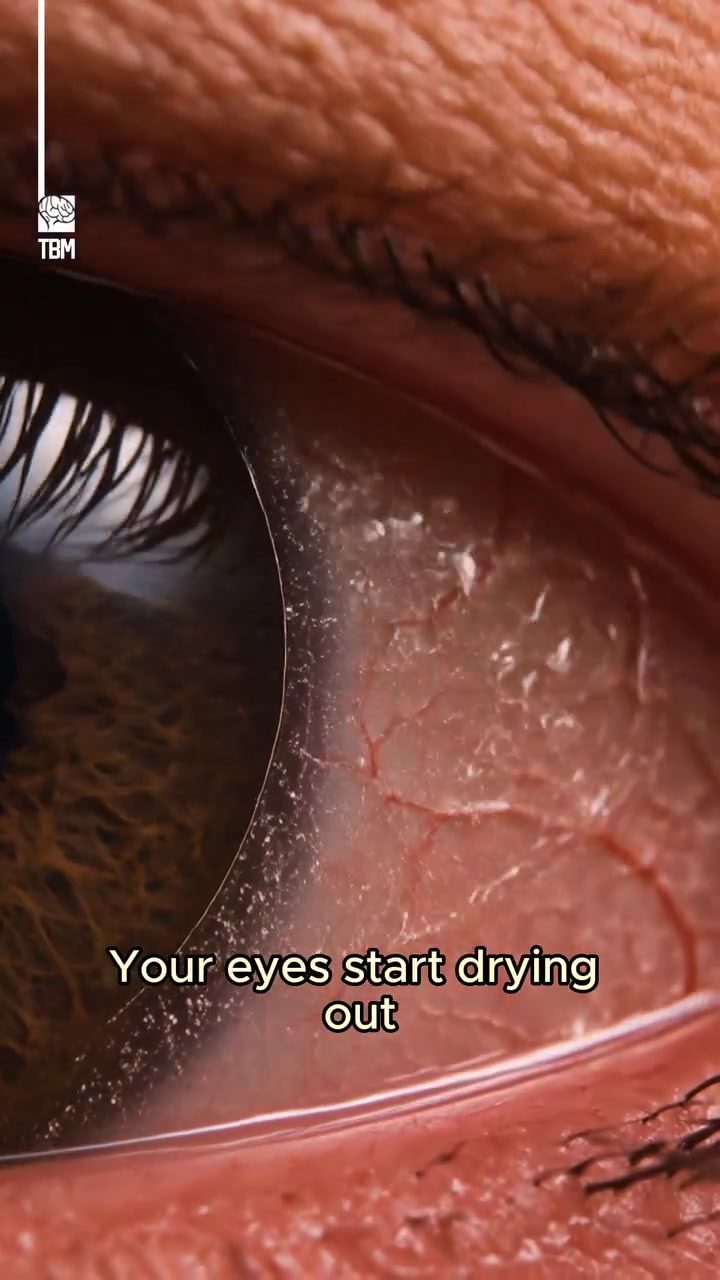
Dry Eyes
Dry eyes can be caused by a number of factors, but one of the most common culprits is screen use. Whether it's computers, tablets, or smartphones, prolonged screen time can lead to eye discomfort and even vision issues. Understanding how and why this happens is the first step in mitigating such discomfort.
Context / Why this matters
Everyone experiences moments of eye discomfort, especially with the increased reliance on digital devices. Recognizing the underlying causes and adopting preventive measures can significantly enhance daily comfort and maintain long-term eye health. This is particularly important in today's digital age, where screen time is a constant.
Main discussion
The Science of Blinking
Blinking is a natural and essential process that keeps the eyes hydrated and healthy. Every blink spreads a microscopic tear film across the surface of the eye, creating a smooth, protective layer. This layer is crucial for maintaining clear vision and ensuring that the eye tissues remain hydrated. In just a few seconds of not blinking, the tear film begins to evaporate, leading to dry spots and discomfort.
Impact of Screen Use
When focusing on a screen, the blink rate can drop dramatically. This reduction in blinking allows the tear film to evaporate more quickly, leading to the formation of dry spots. These dry spots can cause irritation, blurred vision, and that familiar burning sensation many people experience after extended periods of screen time.
Extended screen use does not only cause eye strain; it disrupts the eye's natural defense system. The burning sensation and discomfort are symptoms of the breakdown of the eye’s natural protective mechanisms. A simple blink can help rebuild this protection instantly, underscoring the importance of regular blinking.
The Role of the Tear Film
The tear film is a complex mixture of water, oils, and mucus that covers the surface of the eye. It serves multiple functions, including protecting the eye from irritants, providing clear vision, and maintaining the health of the eye's tissues. When the tear film evaporates due to reduced blinking, it can lead to a variety of symptoms and complications.
How the Tear Film Works
To understand the impact of screen use on the eyes, it's helpful to delve into the structure and function of the tear film. The tear film is composed of three layers:
-
Oil layer (outer layer): Produced by the meibomian glands, this layer helps prevent the tear film from evaporating too quickly. It also keeps the tear film smooth, allowing for clear vision.
-
Aqueous layer (middle layer): This is the largest part of the tear film and is primarily made up of water. It provides moisture and helps flush away any irritants or debris from the eye.
-
Mucin layer (inner layer): Produced by the conjunctival goblet cells, this layer helps the tear film adhere to the surface of the eye. It also provides a smooth surface for the other layers to spread evenly.
Symptoms of Dry Eyes
Dry eyes can manifest in various ways, including:
-
Irritation and burning: One of the most common symptoms is a burning or stinging sensation in the eyes. This is often caused by the tear film evaporating and exposing the eye's surface to the air.
-
Blurred vision: Dry spots on the eye's surface can cause temporary blurred vision. This is usually exacerbated by prolonged screen use, as the eye works harder to compensate for the lack of moisture.
-
Sensitivity to light: Dry eyes can make the eyes more sensitive to light, causing discomfort in bright environments.
-
Redness and swelling: Prolonged dryness can lead to redness and swelling of the eye's tissues, further exacerbating discomfort.
Practical tips
How to Prevent Dry Eyes
Preventing dry eyes involves a combination of good habits and environmental adjustments. Here are some practical tips to help keep your eyes moist and comfortable:
-
Follow the 20-20-20 rule: Every 20 minutes, take a 20-second break and look at something 20 feet away. This helps to reduce eye strain and encourages blinking.
-
Blink regularly: Make a conscious effort to blink more often, especially when using screens. This helps to spread the tear film evenly across the eye's surface.
-
Adjust screen settings: Reduce the brightness of your screen to a comfortable level and adjust the contrast. This can help minimize eye strain and discomfort.
-
Use artificial tears: Over-the-counter eye drops can provide temporary relief from dry eyes. Opt for preservative-free drops if you need to use them frequently.
-
Maintain a healthy environment: Avoid dry, smoky, or dusty environments, as these can exacerbate dry eye symptoms. Use a humidifier if the air in your home or office is particularly dry.
-
Stay hydrated: Drinking plenty of water can help maintain overall eye health and keep the tear film hydrated.
Important takeaways
Dry eyes are a common issue, but understanding the underlying causes and taking preventive measures can make a significant difference in eye comfort and health. Regular blinking, adjusting screen settings, and maintaining a healthy environment are simple yet effective strategies to mitigate eye discomfort.
Conclusion
In today’s digital age, screen use is an integral part of daily life. However, it's essential to be mindful of how screen time affects our eyes. By recognizing the importance of blinking, understanding the role of the tear film, and adopting preventive measures, we can maintain eye health and comfort. Remember, every blink saves your eyes from potential discomfort and long-term issues.
Watch the Reel
Questions readers ask
How does screen time lead to dry eyes?
Prolonged screen use can significantly reduce your blink rate, which is typically around 15-20 times per minute. However, when using screens, this rate can drop to as low as 5-7 times per minute. Blinking is crucial for spreading the tear film across the eye, so a reduced blink rate can lead to dry eyes and discomfort.
What is the '20-20-20 rule' and how can it help with digital eye strain symptoms?
The 20-20-20 rule is a simple yet effective way to combat digital eye strain symptoms. Every 20 minutes, look at something 20 feet away for at least 20 seconds. This helps to relax the focusing muscle inside the eye and encourages more frequent blinking, reducing the risk of developing dry eyes from screens.
Why is the tear film important for eye health?
The tear film is a complex mixture of oils, water, and mucus that coats the surface of the eye, providing crucial moisture and lubrication. It also helps to maintain clear vision by smoothing the eye's surface. Prolonged screen use can disrupt the stability of this tear film, leading to dry eye syndrome.
Can blue light from screens cause dry eyes?
Blue light itself does not directly cause dry eyes. However, the prolonged use of screens, including exposure to blue light, can lead to a decrease in blink rate, causing eyes to feel dry and uncomfortable. To mitigate this, consider using blue light filters or glasses, and ensure you're taking regular breaks from screens.
How can I protect my eyes from screens during long work hours?
To protect your eyes from screens during extended work hours, follow these steps: Adjust your screen's brightness to match your surroundings, use artificial tears to refresh your eyes, and maintain a comfortable distance from your screen—about an arm's length away. Additionally, ensure your workspace has proper lighting to reduce glare.
Can dry eyes from smartphones be prevented?
To prevent dry eyes from smartphones, hold your device at a comfortable distance from your eyes, and avoid using it in low-light conditions. Enable dark mode or use a blue light filter, and follow the 20-20-20 rule. Regular breaks and staying hydrated can also help maintain eye health in the digital age.
What are some signs and symptoms of digital eye strain?
Digital eye strain symptoms include dry and irritated eyes, headaches, blurred vision, and neck or shoulder pain. If you experience these symptoms, it's essential to take breaks from screen use, ensure proper lighting, and maintain a comfortable viewing distance. If symptoms persist, consult a healthcare professional.
Related deep dives
Similar reads based on topic and creator.

Recent articles
Fresh deep dives from the latest Reels we unpacked.




Comments
Be the first to comment.