Synthetic Cell Creation
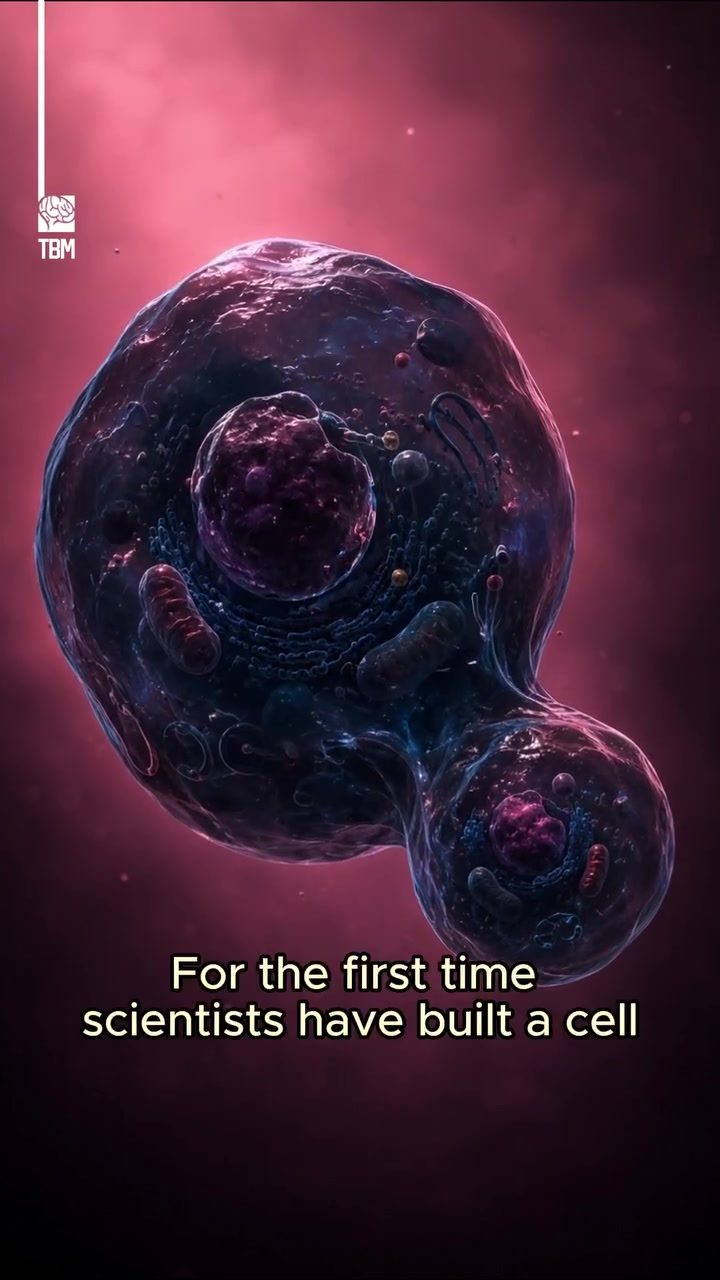
For the first time, scientists have constructed a cell from non-living chemical components, marking a significant advancement in our understanding of how life can emerge from controlled molecular systems. This breakthrough, led by Dr. Kate Ademala and her team at the University of Minnesota, has resulted in the creation of a synthetic cell named the spud cell. Unlike natural cells, the spud cell is constructed from fully known and controlled chemical components, offering unprecedented insights into the fundamentals of life.
Context / Why This Matters
The creation of the spud cell represents a major milestone in synthetic biology. By building a cell from scratch, scientists can study the minimal set of components required for life. This understanding could lead to engineered cells capable of producing vital medicines and other beneficial applications.
Main Discussion
The Spud Cell: A Breakthrough in Synthetic Biology
The spud cell is a testament to the power of careful molecular engineering. It can feed, grow, copy its DNA, and divide, completing about five generations before it stops. This capability demonstrates the potential for synthetic cells to replicate and propagate, albeit with limitations.
Comparative Analysis: Spud Cell vs. Natural Cells
While the spud cell is a remarkable achievement, it is far simpler than natural cells. It contains only 150 to 200 molecules and has a genome of just 90,000 base pairs. In contrast, natural cells have much more complex structures and genomes. For instance, a human cell contains around 40 trillion molecules and has a genome of approximately 3.2 billion base pairs.
The spud cell also lacks the ability to produce its own ribosomes, which are essential for protein synthesis. As a result, it must be supplied with ribosomes to survive. This dependency underscores the current limitations of synthetic cells and highlights the challenges that lie ahead.
The Role of Ribosomes in Synthetic Cells
Ribosomes are crucial for the survival and function of cells. They are responsible for translating genetic information into proteins, which are the building blocks of life. In natural cells, ribosomes are produced through a complex process involving DNA, RNA, and various enzymes. The inability of the spud cell to produce its own ribosomes is a significant limitation.
Genome Size and Complexity
The genome of the spud cell is significantly smaller than that of natural cells. This smaller genome allows scientists to study the minimal set of genetic instructions required for life. By understanding these basic components, researchers can gain insights into the origins of life and the fundamental processes that sustain it.
The Future of Synthetic Cells
Despite its current limitations, the spud cell represents a major step toward understanding how life first emerged on Earth. It provides a platform for studying the basic principles of life and for developing engineered cells with specific functions. For example, researchers could potentially create synthetic cells that produce vital medicines or other beneficial compounds.
Practical Tips
Studying Synthetic Cells
For those interested in studying synthetic cells, it is essential to understand the basic principles of molecular biology and biochemistry. Key areas of focus include:
- Molecular Engineering: Learning how to design and construct molecular components.
- Cellular Biology: Understanding the structure and function of natural cells.
- Genetics: Studying the role of DNA and RNA in cellular processes.
Building Your Own Synthetic Cell
While building a synthetic cell is a complex process, it is possible to conduct smaller-scale experiments. Here are some practical tips:
- Start Small: Begin with simple molecular components and gradually increase the complexity.
- Use Known Components: Focus on using well-understood chemical components to ensure reproducibility.
- Monitor Progress: Regularly check the functionality of your synthetic cell to identify any issues early on.
Potential Applications
The spud cell's potential applications are vast. Some areas of interest include:
- Medicine Production: Engineered cells could produce vital medicines more efficiently and cost-effectively.
- Environmental Remediation: Synthetic cells could be designed to clean up pollutants and restore damaged ecosystems.
- Biotechnology: Engineered cells could be used in various biotechnological applications, from food production to manufacturing.
Important Takeaways
The creation of the spud cell is a groundbreaking achievement in synthetic biology. It provides a platform for studying the fundamental principles of life and for developing engineered cells with specific functions. While the spud cell is currently limited in its capabilities, it represents a significant step toward understanding how life emerges from controlled molecular systems.
The spud cell offers insights into the minimal set of components required for life. Its smaller genome and limited capabilities highlight the challenges that lie ahead in synthetic biology. Despite these limitations, the spud cell provides a foundation for future research and development.
Conclusion
The creation of the synthetic cell known as the spud cell is a major milestone in our understanding of life. By building a cell from non-living chemicals, scientists have paved the way for future advancements in synthetic biology. The spud cell's ability to feed, grow, and divide demonstrates the potential for engineered cells to replicate and propagate. As researchers continue to study and refine synthetic cells, we can expect to see significant advancements in medicine, environmental remediation, and biotechnology.
Watch the Reel
Questions readers ask
What is the significance of the spud cell in the field of synthetic biology?
The spud cell is significant because it is the first cell created from fully known and controlled non-living chemical compounds. This breakthrough allows scientists to study the minimal components necessary for life, which could lead to new applications in medicine and other fields.
Who led the research that resulted in the creation of the spud cell?
The research was led by Dr. Kate Ademala and her team at the University of Minnesota. They successfully constructed a cell from non-living chemicals, marking a significant advancement in synthetic biology.
How does the spud cell differ from natural cells?
The spud cell is different from natural cells because it is built from fully known and controlled chemical components. This allows scientists to have a precise understanding of each part of the cell and its function, which is not possible with natural cells.
What are the potential applications of this synthetic biology breakthrough?
The creation of the spud cell could lead to the development of engineered cells capable of producing vital medicines. Additionally, it opens up new avenues for research into the fundamentals of life and the minimal components required for it.
What does the spud cell reveal about the emergence of life from non-living matter?
The spud cell provides insights into how life can emerge from controlled molecular systems. By understanding the process of creating a cell from non-living chemicals, scientists can gain a deeper understanding of the origins of life and the conditions necessary for its emergence.
What are the potential future advancements in synthetic biology as a result of the spud cell discovery?
The spud cell discovery could pave the way for further advancements in synthetic biology, such as the creation of more complex synthetic organisms and the development of new technologies for producing medicines and other useful compounds. It also opens up new possibilities for studying and understanding life itself.
How does controlled cell creation help in understanding life?
Controlled cell creation, as demonstrated by the spud cell, helps in understanding life by allowing scientists to isolate and study the specific components and processes that are essential for life. This level of control and understanding is not possible with naturally occurring cells.
Related deep dives
Similar reads based on topic and creator.



Recent articles
Fresh deep dives from the latest Reels we unpacked.




Comments
Be the first to comment.