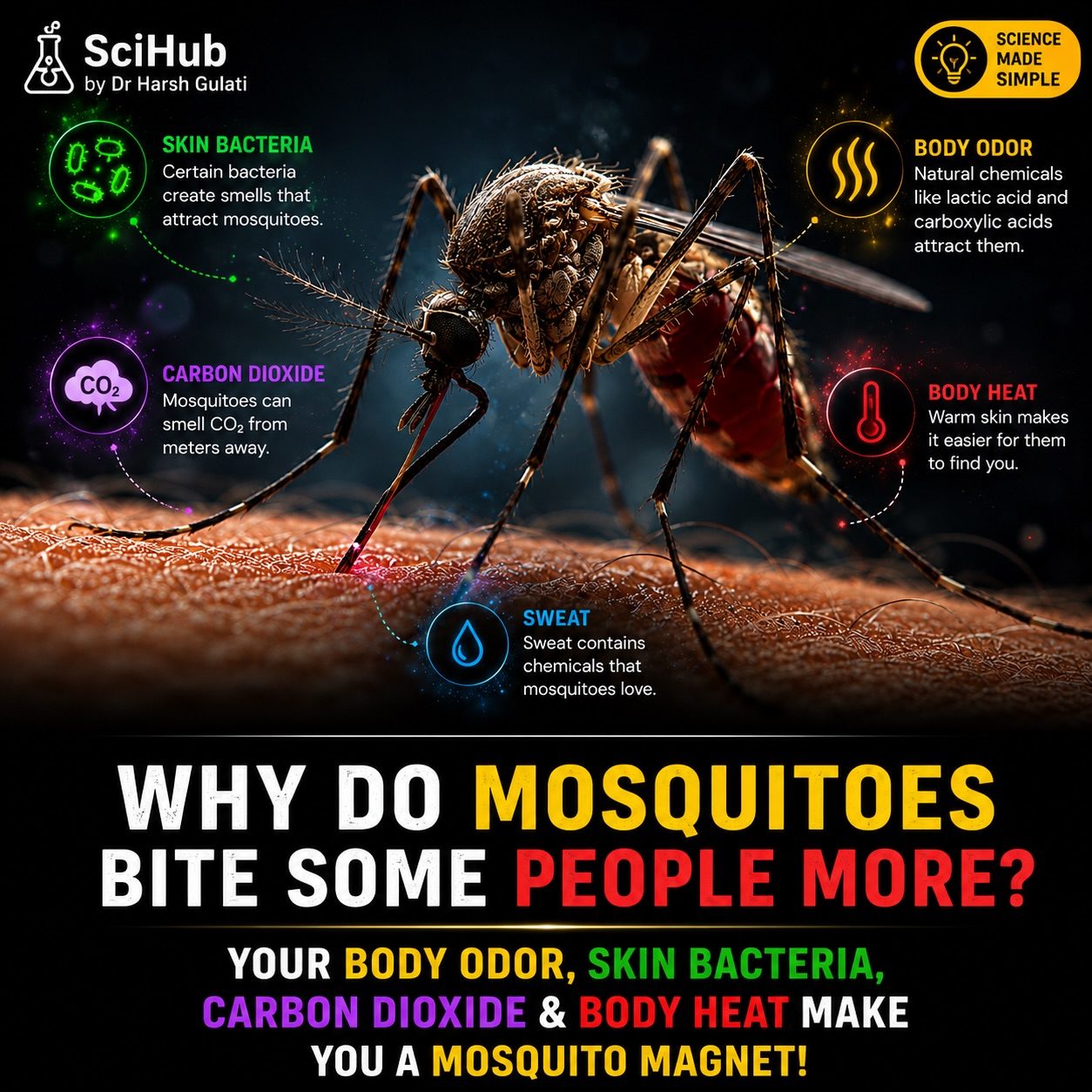
Mosquito Attraction: Why Some People Get Bitten More Than Others
Mosquitoes are notorious pests, and it often seems like they target certain individuals more than others. This isn't just a matter of perception; research has shown that mosquitoes are indeed attracted to specific people due to a variety of factors. Understanding these factors can help in developing better repellents and strategies to reduce the spread of mosquito-borne diseases.
Context / Why this matters
Mosquitoes transmit a range of diseases, including dengue, malaria, chikungunya, and Zika. Knowing why mosquitoes are attracted to certain individuals can help in developing targeted repellents and strategies to reduce the spread of these diseases. By understanding the factors that make some people more attractive to mosquitoes, we can better protect ourselves and reduce the risk of disease transmission.
Main discussion
The Role of Skin Bacteria
One of the primary factors that attract mosquitoes is the presence of certain skin bacteria. These bacteria produce lactic acid and carboxylic acids, which create smells that mosquitoes find appealing. The unique combination of these bacteria on an individual's skin can make them more or less attractive to mosquitoes.
Carbon Dioxide
Mosquitoes are highly sensitive to carbon dioxide, which humans exhale with every breath. This gas can be detected by mosquitoes from a considerable distance, helping them locate potential hosts. The higher the concentration of carbon dioxide, the more likely mosquitoes are to be attracted.
Body Heat
Body heat is another key factor. Mosquitoes are ectothermic, meaning their body temperature is influenced by their environment. They are naturally drawn to warmer objects, making humans an ideal target. The heat emanating from the skin makes it easier for mosquitoes to locate and land on individuals.
Sweat and Its Chemicals
Sweat contains a variety of chemicals that are appealing to mosquitoes. These chemicals, combined with the moisture from sweat, create an enticing environment for mosquitoes to land and feed. Sweat also contains lactic acid, which is produced by the breakdown of glucose in the body, further attracting mosquitoes.
Genetics and the Skin Microbiome
Genetics play a significant role in determining the chemical compounds produced by an individual's skin. Some people naturally produce more of the compounds that mosquitoes find attractive, making them more likely to be bitten. The skin microbiome, which is the collection of microorganisms living on the skin, also influences mosquito attraction. This means that two people standing side by side can attract very different numbers of mosquitoes.
Practical tips
Use Repellents
Repellents containing DEET, picaridin, or oil of lemon eucalyptus are effective in deterring mosquitoes. These compounds work by masking the scents that mosquitoes find attractive, making it harder for them to locate you.
Wear Protective Clothing
Clothing that covers as much skin as possible can help reduce the risk of mosquito bites. Light-colored clothing is best, as mosquitoes are more attracted to dark colors. Additionally, wearing long sleeves, long pants, and socks can provide an extra layer of protection.
Eliminate Standing Water
Mosquitoes lay their eggs in standing water, so eliminating sources of standing water around your home can help reduce the mosquito population. This includes emptying flower pots, birdbaths, and any other containers that may collect water.
Use Fans
Mosquitoes are weak fliers, and the use of fans can help keep them at bay. Placing fans in areas where you spend a lot of time outdoors can create a breeze that makes it difficult for mosquitoes to fly and land.
Install Screens
Installing screens on windows and doors can help keep mosquitoes out of your home. Ensure that the screens are in good condition and free of any tears or holes that mosquitoes could use to enter.
Avoid Peak Mosquito Hours
Mosquitoes are most active at dawn and dusk. If possible, avoid spending time outdoors during these peak hours, or take extra precautions to protect yourself from bites.
Important takeaways
Understanding the factors that attract mosquitoes can help individuals take targeted actions to reduce their risk of bites. From using effective repellents to wearing protective clothing and eliminating standing water, there are several practical steps that can be taken to minimize the impact of mosquitoes. Additionally, researchers are using this knowledge to develop new strategies and repellents to combat mosquito-borne diseases.
Conclusion
Mosquito attraction is a complex phenomenon influenced by a variety of factors, including skin bacteria, carbon dioxide, body heat, and sweat. By understanding these factors, individuals can take practical steps to reduce their risk of mosquito bites and the spread of mosquito-borne diseases. Whether through the use of repellents, protective clothing, or environmental modifications, there are numerous ways to make yourself less attractive to mosquitoes.
Watch the Reel
Questions readers ask
What makes certain people more attractive to mosquitoes?
Several factors contribute to this, including the composition of skin bacteria, the amount of carbon dioxide exhaled, body heat, and the presence of certain compounds in sweat. Mosquitoes are particularly drawn to lactic acid, uric acid, and ammonia found in human sweat, as well as the scent of skin bacteria.
Why do mosquitoes seem to bite some people more than others?
Mosquitoes are equipped with sensors that can detect certain chemicals and compounds, such as those found in skin bacteria, sweat, and exhaled carbon dioxide. People who produce more of these attractants or have a higher body heat, will naturally attract more mosquitoes.
Can changing your diet help reduce mosquito bites?
While diet can influence body chemistry and sweat composition, there is no definitive research proving that specific foods can make you less attractive to mosquitoes. However, staying hydrated can help regulate body heat, which is a known mosquito attractant.
How effective are commercial mosquito repellents?
Commercial repellents containing active ingredients like DEET, picaridin, or oil of lemon eucalyptus are generally effective in preventing mosquito bites. These repellents work by masking the attractants that mosquitoes are drawn to, such as carbon dioxide and lactic acid. Always follow the product instructions for optimal results.
Are there any natural repellent strategies that can help keep mosquitoes away?
Yes, certain natural strategies can help deter mosquitoes. Planting mosquito-repelling plants like citronella, lavender, and lemon balm around your living space can create a less inviting environment. Additionally, wearing light-colored clothing and using fans to disrupt mosquito flight patterns can be effective.
Why is it important to reduce mosquito bites beyond just avoiding discomfort?
Mosquitoes are vectors for serious diseases like dengue, malaria, chikungunya, and Zika. Reducing mosquito bites is crucial for preventing the spread of these diseases, especially in areas where these illnesses are prevalent. Effective bite prevention strategies can help protect both individuals and communities.
Related deep dives
Similar reads based on topic and creator.




Recent articles
Fresh deep dives from the latest Reels we unpacked.




Comments
Be the first to comment.