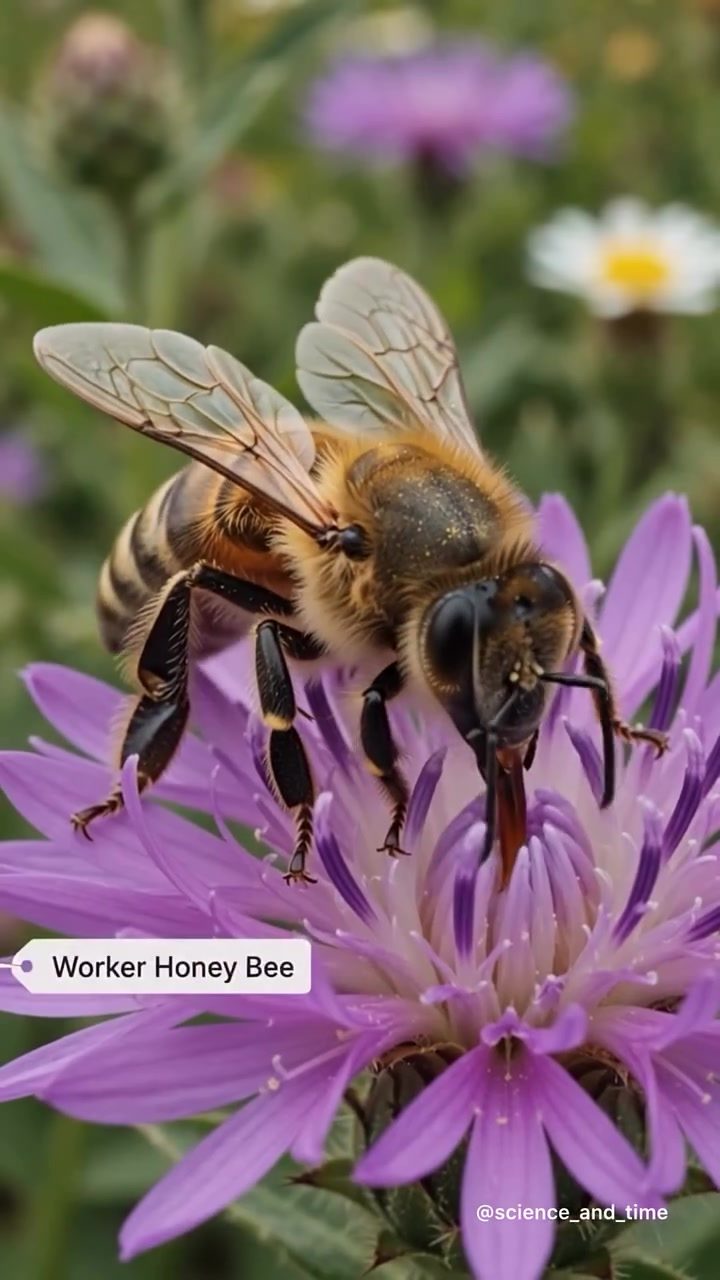
Honey Bees: The Unsung Heroes of Pollination and Honey Production
Every flower has a visitor, but bees are more than just casual guests. They are crucial to the health of our ecosystems, playing a vital role in pollination and honey production. Honey bees, in particular, are a fascinating example of nature's complex and efficient systems. Let's delve into the science behind their remarkable abilities.
Why This Matters
Bees are essential for the pollination of many plants, including those that provide food for humans and animals. The process of pollination is necessary for the reproduction of plants, and without it, many species would struggle to survive. Honey bees, with their intricate social structure and specialized roles, are one of the most effective pollinators. They collect nectar, transform it into honey, and in the process, pollinate plants that sustain diverse ecosystems.
The Life of a Honey Bee Colony
The Worker Bees: Hardworking Nectar Collectors
Worker bees are the backbone of the hive, performing a variety of tasks that keep the colony functioning. They collect nectar from flowers, a process that begins with a bee landing on a flower and using its proboscis to suck nectar into a special honey stomach. This nectar is then carried back to the hive, where it is transformed into honey.
Worker bees are also responsible for protecting, feeding, and caring for every new life. They continuously feed, groom, and protect the queen and the eggs laid by her. This ensures the future of the entire colony, as every future bee begins with the queen.
The Queen Bee: The Heart of the Colony
The queen bee is the only fertile female in the colony, and her primary role is to lay thousands of eggs. The queen rarely leaves the hive, as the fate of the colony depends on her. Thousands of devoted worker bees feed, groom, and protect her, ensuring that she can fulfill her vital role.
The queen lays her eggs cell by cell, and worker bees immediately care for each one. This care ensures the survival of the colony, as each new bee contributes to the hive's overall health and productivity. The queen's eggs are the future of the colony, and the workers' dedication to them is a testament to her importance.
Honey Production: From Nectar to Golden Sweetness
Inside the hive, the transformation of nectar into honey is a meticulous process. House bees, a type of worker bee, take over the nectar from the foraging bees. They spread the nectar and fan their wings, slowly evaporating the water until it becomes pure golden honey. The evaporation process is crucial, as it concentrates the sugars in the nectar and creates the sweet, viscous substance we know as honey.
The resulting honey is not just a food source for the bees; it's also a critical part of their survival strategy. Honey provides the colony with a nutritious food source during times when flowers and nectar are scarce. It's a testament to the bees' ingenuity and adaptability, ensuring their survival through harsh conditions.
The Waggle Dance: Communication in the Hive
The waggle dance is another fascinating aspect of honey bee behavior. This intricate dance is used by worker bees to communicate the location of nectar-rich flowers to their fellow workers. The dance involves a series of movements, including a figure-eight pattern, that other bees interpret to find the food source.
The waggle dance is a sophisticated form of communication, highlighting the complexity of bee society. It ensures that the colony can efficiently gather resources, which in turn supports its pollinating activities and honey production.
Practical Tips for Supporting Honey Bees
Supporting honey bees is essential for maintaining healthy ecosystems and ensuring the future of our food supply. Here are a few practical tips:
- Plant Bee-Friendly Flowers: Choosing a variety of flowers that bloom at different times of the year provides a steady supply of nectar for bees.
- Avoid Pesticides: Pesticides can be harmful to bees. Opt for natural pest control methods or choose plants that are naturally resistant to pests.
- Create Bee-Friendly Habitats: Provide a water source for bees and avoid using insecticide.
- Build Bee Houses: Provide a nesting place for bees by building bee houses or leaving some areas of your garden undisturbed.
- Support Local Beekeepers: Purchasing honey and other bee products from local beekeepers can help sustain bee populations and support their conservation efforts.
Important Takeaways
Honey bees are more than just producers of honey; they are essential pollinators that support the health of our ecosystems. From collecting nectar to transforming it into honey, their intricate social structure and specialized roles make them one of the most effective pollinators in nature. Understanding the science behind their behaviors and the importance of their roles can help us appreciate their value and take steps to support their survival.
Conclusion
The world of honey bees is a complex and fascinating one, filled with intricate social structures, specialized roles, and remarkable behaviors. From the worker bees that collect nectar to the queen bee that lays the next generation, every member of the colony plays a crucial role in the hive's survival and productivity. By understanding and appreciating the science behind honey bees, we can take steps to support their survival and ensure the health of our ecosystems.
Watch the Reel
Questions readers ask
How do honey bees contribute to our ecosystems beyond honey production?
Honey bees are essential for pollination, which is the process by which plants reproduce. They transfer pollen from the male to the female parts of flowers, enabling the production of fruits and seeds. This process is vital for the survival of many plant species, which in turn support a wide range of wildlife.
What are the different roles within a honey bee colony?
Honey bee colonies are organized into a complex structure with specialized roles. The queen bee is the only reproductive female in the colony, whose primary function is to lay eggs. Worker bees, all female, perform various tasks such as foraging for nectar and pollen, caring for the young, and defending the hive. Drones, the male bees, have the sole purpose of mating with a new queen.
How do honey bees transform nectar into honey?
The process of turning nectar into honey involves several steps. Worker bees collect nectar from flowers and store it in their honey stomachs. Once back at the hive, they regurgitate the nectar and pass it to house bees, who then break it down with enzymes, reduce the water content, and store it in honeycombs. The bees fan their wings to evaporate excess moisture, creating the thick, sweet substance we know as honey.
What happens during the nectar collection process?
During nectar collection, worker bees visit flowers and use their proboscises to suck up the nectar. They store this nectar in a special honey stomach, separate from their digestive system, to prevent it from being digested. Once they have collected enough, they return to the hive to unload the nectar to house bees, who then begin the process of converting it into honey.
How do honey bees protect their colonies?
Honey bees employ several strategies to protect their colonies. Guard bees, a type of worker bee, stand at the hive entrance and inspect incoming bees to ensure they belong to the colony. If an intruder, such as a wasp or other predator, is detected, the guard bees will sting and release alarm pheromones to alert the rest of the colony to defend against the threat. Honey bees also have the ability to release propolis, a resinous substance, to seal cracks and protect the hive from external threats. Honey bees are also quite resilient to diseases that can threaten their colonies.
What is the significance of the queen bee in a honey bee colony?
The queen bee is central to the honey bee colony's survival and success. She is the primary reproductive female, laying up to 2,000 eggs per day during peak season. The queen's pheromones also help maintain colony cohesion and unity. If a queen bee dies or becomes unfit to rule, worker bees will rear new queens to ensure the colony's continuity.
What threats do honey bees face in the future?
Honey bees face several challenges, including habitat loss due to urbanization and agricultural practices, pests and diseases like Varroa mites, and environmental changes such as climate change. Additionally, the use of certain pesticides can disrupt their navigation and communication systems, making it harder for them to find food and return to their hives. These threats can impact the health and productivity of honey bee colonies, as well as their ability to pollinate crops and wild plants.
Related deep dives
Similar reads based on topic and creator.




Recent articles
Fresh deep dives from the latest Reels we unpacked.




Comments
Be the first to comment.