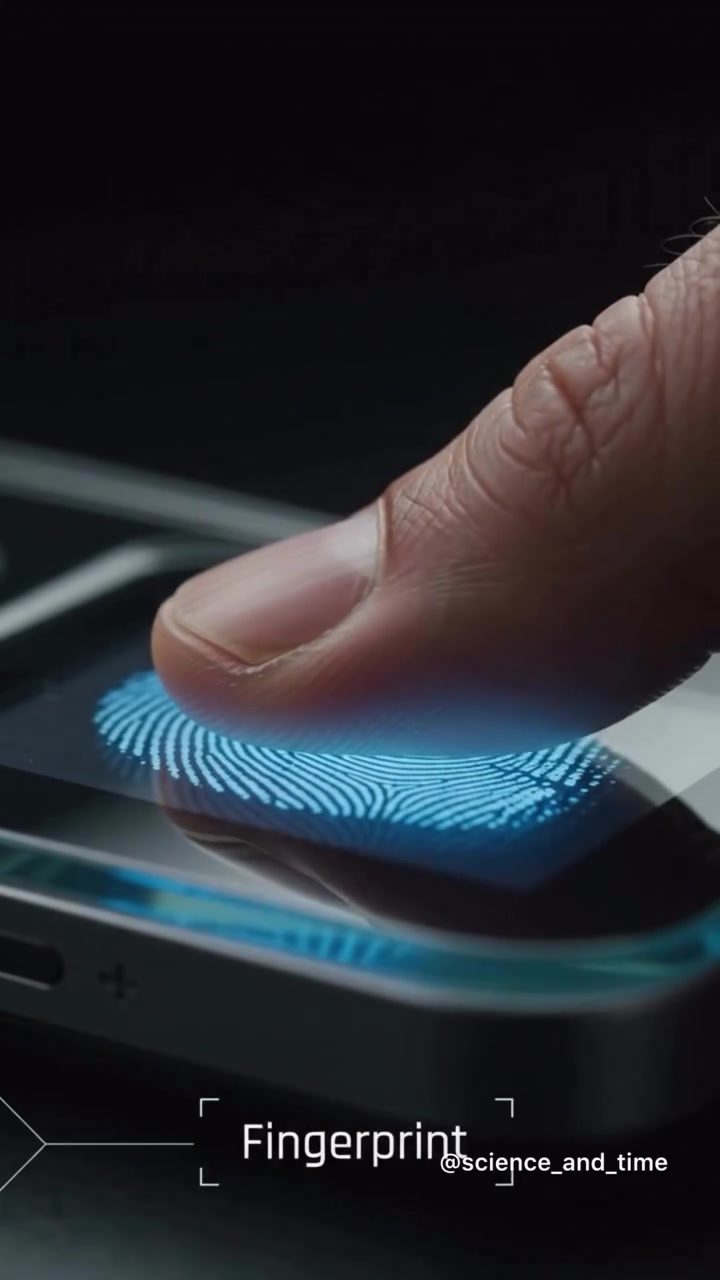
Fingerprints: The Unique Mark of Human Identity
Fingerprints are an astonishing biological feature that sets each person apart, even identical twins. These intricate patterns on our fingertips serve as our unique identifiers, but have you ever wondered how they form and why they remain unaltered throughout our lives? Delving into the science behind fingerprints reveals a fascinating story of development and uniqueness.
Why Fingerprints Matter
Fingerprints are more than just patterns on our skin; they are a crucial aspect of human identity and forensic science. Understanding how they form and why they are unique provides valuable insights into the complexities of human biology. Fingerprint identification is used extensively in law enforcement, security systems, and even in personal devices like smartphones. This reliability makes fingerprints an essential tool in various fields.
The Formation of Fingerprints
Development in the Womb
Fingerprints begin to take shape remarkably early in human development. Between the 10th and 16th weeks of gestation, tiny skin ridges start to form on the fingertips inside the womb. This process is initiated by genetic factors, but the exact pattern of these ridges is not solely determined by DNA. Instead, small differences in pressure and growth within the amniotic fluid contribute to the unique design of each fingerprint. This is why even identical twins, who share the same DNA, have different fingerprints.
Role of Amniotic Fluid
Amniotic fluid plays a critical role in the development of fingerprints. The swirling patterns of the fluid interact with the developing skin, influencing the formation of the ridges. This interaction ensures that no two fingerprints are ever the same, highlighting the intricate interplay between genetic and environmental factors.
The Uniqueness of Fingerprints
Detailed Patterns
Each fingerprint is composed of thousands of tiny details, including ridge endings and bifurcations (splits). These minute features are arranged in a unique pattern, making every fingerprint distinct. Even the fingerprints on an individual's own hands differ; the left and right hands do not match, and all ten fingers have unique patterns. This level of detail ensures that fingerprints can be used as reliable identifiers.
Global Uniqueness
The uniqueness of fingerprints extends beyond individual hands. More than 100 billion people have lived on Earth, and not a single case has been confirmed where two people share the exact same fingerprint. This global uniqueness is a testament to the precision and complexity of human biology. Fingerprint matching software, which compares and analyzes these intricate patterns, is used extensively in forensics and security to identify individuals accurately.
Practical Applications of Fingerprint Analysis
Forensic Science
Fingerprint analysis is a cornerstone of forensic science. Law enforcement agencies use fingerprint matching to identify suspects, solve crimes, and exonerate the innocent. The complexity of fingerprint patterns makes them a reliable form of evidence in criminal investigations. Advanced software and techniques are employed to analyze and compare fingerprints, ensuring accurate identification.
Security Systems
Fingerprint scanners are widely used in security systems for access control. These devices read the unique patterns on an individual's fingertips to grant or deny access to restricted areas. Fingerprint scanners are also integrated into smartphones and other personal devices, providing a convenient and secure method of authentication.
Important Takeaways
- Early Development: Fingerprints begin to form in the womb between weeks 10 and 16.
- Genetic and Environmental Factors: While DNA initiates the process, environmental factors like pressure and growth within the amniotic fluid contribute to the unique pattern.
- Global Uniqueness: No two people have ever been confirmed to share the exact same fingerprint, making them a reliable identifier.
- Detailed Patterns: Each fingerprint contains thousands of tiny details that are arranged uniquely.
- Practical Applications: Fingerprints are used in forensic science, security systems, and personal device authentication.
Conclusion
Fingerprints are a marvel of human biology, offering a unique identification method that has been utilized for centuries. Understanding the science behind their formation and uniqueness provides valuable insights into the complexities of human development. From their early stages in the womb to their practical applications in security and forensics, fingerprints continue to play a crucial role in our lives. The next time you look at your fingertips, remember the intricate process that makes them uniquely yours.
Watch the Reel
Questions readers ask
How do fingerprints form and what influences their unique patterns?
Fingerprints begin to develop in the womb, around the 10th week of gestation. Their formation is influenced by both genetic factors, inherited from parents, and environmental factors, such as the position of the fetus in the womb. This combination of influences results in a unique pattern that varies even among identical twins.
Why are fingerprints considered unique to each individual?
Fingerprints are unique due to the complex interplay of genetic and environmental factors during their development. The intricate patterns, which include ridges, minutiae (specific points like ridge endings and bifurcations), and overall flow, ensure that no two fingerprints are exactly alike, making them reliable for personal identification.
What role do fingerprints play in law enforcement and security?
Fingerprints are instrumental in law enforcement for identifying individuals involved in crimes. They are used to match prints found at crime scenes to those in a database, helping to solve cases. In security systems, fingerprint technology is employed for access control, ensuring that only authorized individuals can enter secure areas.
Can fingerprint technology be used in personal technology devices?
Yes, fingerprint technology is commonly used in personal devices like smartphones, tablets, and laptops. It enhances security by allowing users to unlock their devices, authorize purchases, and access sensitive information using their unique fingerprint patterns, ensuring a secure and convenient user experience.
How does the fingerprint identification system work?
Fingerprint identification systems work by capturing an image of a fingerprint and converting it into a digital format. The system then analyzes specific minutiae in the print to create a unique template. This template is compared with a database of templates for identification or verification purposes, making it a highly effective biometric tool.
Related deep dives
Similar reads based on topic and creator.




Recent articles
Fresh deep dives from the latest Reels we unpacked.




Comments
Be the first to comment.