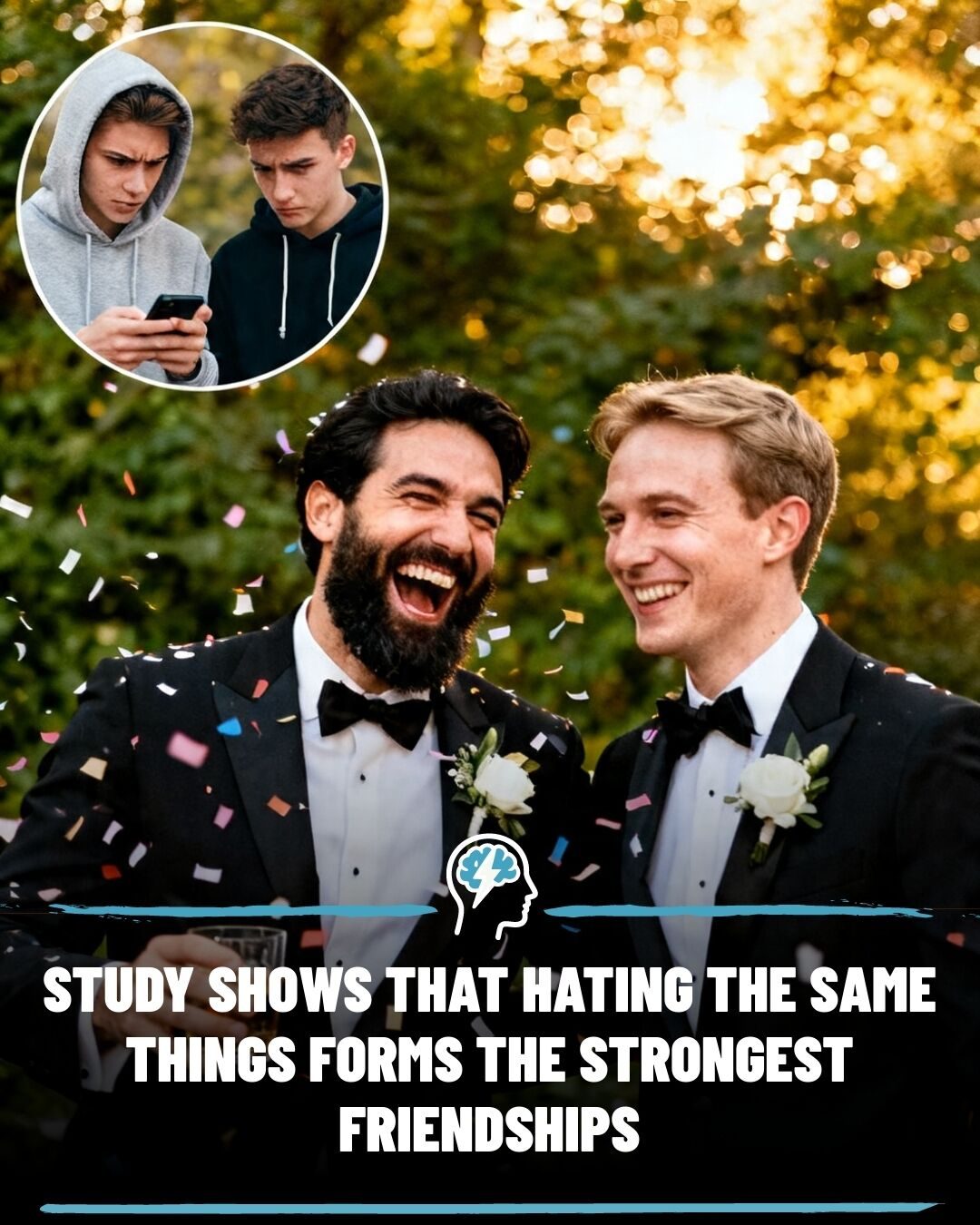
Friendship and the Power of Shared Dislikes
People often bond over shared interests, but have you ever noticed how complaining about the same annoyances with someone can make you feel instantly closer? This phenomenon isn't just a coincidence—there's actual science behind it. A study published in Personality and Social Psychology Bulletin delved into this intriguing aspect of human connection. The findings reveal that discovering shared negative attitudes about a third party can predict liking for strangers more strongly than shared positive attitudes.
Why This Matters
Understanding the dynamics of human connection can enhance personal and professional relationships. This is especially important in an era of digital communication, where forming deep connections can be challenging. The science behind shared dislikes offers valuable insights into fostering closer relationships, even in brief interactions.
The Science Behind Shared Dislikes
The Study and Its Findings
The study found that bonding over mutual dislikes can create faster feelings of connection than bonding over mutual likes. When you and someone else share a dislike, whether it's a frustrating coworker or a terrible movie, it creates an invisible boundary. You're on the same team now. This shared negativity signals that you understand each other's values and perspectives, generating heightened feelings of familiarity and trust.
There's a nuanced aspect to this phenomenon. The effect of shared dislikes was strongest when the attitudes were not deeply held. Casual dislikes bonded people more than intense ones. Researchers also found that 56% of the attitudes people actually recall sharing with close friends are positive ones, about things like movies, activities, and personal beliefs.
The Mechanism of Connection
When you and someone else share a dislike, it taps into a fundamental aspect of human psychology. This shared negativity creates a sense of belonging and mutual understanding. It suggests that you and the other person have similar tastes and perspectives, even if you don't openly discuss them. This subtle connection can be incredibly powerful, especially in initial encounters.
Practical Tips for Bonding Over Shared Dislikes
Finding Common Ground
The next time you find yourself with a stranger, consider talking about shared dislikes. You might be surprised by how much you have in common. Here are a few tips to get you started:
- Start with Casual Topics: Instead of diving into deep or intense dislikes, start with casual topics. For example, discussing a recent movie that wasn't well-received by either of you can be a great icebreaker.
- Plant the Seed: Sometimes, identifying shared dislikes might take a bit of digging. Ask questions like, "What kind of annoying situations do you often encounter?" and see where the conversation goes.
Avoiding Overload
Be cautious not to overdo it with shared dislikes. While it can fast-track connection, it’s not the foundation for lasting relationships. Positive shared interests and mutual respect still form the core of deep connections.
Important Takeaways
- Shared Negativity Creates Connections: Bonding over mutual dislikes can create a sense of camaraderie and understanding quickly. Even casual topics can be effective in building a connection.
- Positive Interests Matter: While shared dislikes can fast-track initial connections, positive shared interests are crucial for building lasting relationships. Think of mutual complaints as the kindling, not the entire fire.
- Context Matters: The effect of shared dislikes is strongest in casual settings rather than deeply held beliefs. Be mindful of the context and the depth of the dislikes you share.
Conclusion
Friendship and shared dislikes go hand in hand in ways that may surprise you. Whether it’s a shared dislike for a particular movie or a mutual annoyance with a certain aspect of life, these negative attitudes can create strong initial bonds. The science behind this phenomenon highlights the importance of understanding each other’s perspectives and values, even in the most casual of interactions. The next time you find yourself bonding over a shared gripe, remember that you’re tapping into a natural social mechanism that has helped humans connect for centuries.
Watch the Reel
Questions readers ask
Why do people feel an instant connection when they bond over dislikes?
This instant connection occurs because shared dislikes create a sense of 'us versus them,' fostering a sense of camaraderie. It signals to both parties that they have a shared perspective on the world, which can be reassuring and bonding.
How do shared attitudes, both positive and negative, affect human connection?
Shared attitudes, whether positive or negative, can enhance connection. However, shared negative attitudes toward a third party can predict a stronger liking between strangers than shared positive attitudes. This is because mutual dislikes can create a stronger sense of unity and shared identity.
What does the psychology of complaining do to strengthen human bonds?
Complaining about the same annoyances can strengthen human bonds because it allows individuals to vent and feel validated. It also creates a sense of shared experience and understanding, which can enhance feelings of mutual support and connection.
Is there a difference between bonding over casual dislikes and intense dislikes?
Yes, bonding over casual dislikes is often more effective in fostering connections. Casual dislikes are less likely to be polarizing and can create a lighthearted, relatable atmosphere. Intense dislikes, on the other hand, can sometimes create tension or disagreement, which may hinder the bonding process.
Does bonding over shared dislikes have any impact on professional relationships?
Yes, bonding over shared dislikes can significantly enhance professional relationships. It can create a sense of camaraderie and mutual understanding, which can improve teamwork, communication, and overall job satisfaction. This is especially useful in workplaces where people spend a lot of time together.
Can the connection through shared attitudes enhance personal relationships?
Absolutely, shared attitudes can enhance personal relationships by creating a shared mindset and worldview. This shared perspective can lead to deeper understanding, empathy, and a stronger emotional bond, making personal relationships more meaningful and fulfilling.
How can understanding the power of shared dislikes help in digital communication?
Understanding the power of shared dislikes can help in digital communication by providing a way to quickly establish rapport. By identifying and discussing shared dislikes, individuals can create a sense of connection and understanding, even in the absence of face-to-face interaction. This can enhance virtual teamwork, social media interactions, and online communities.
Related deep dives
Similar reads based on topic and creator.



Recent articles
Fresh deep dives from the latest Reels we unpacked.




Comments
Be the first to comment.