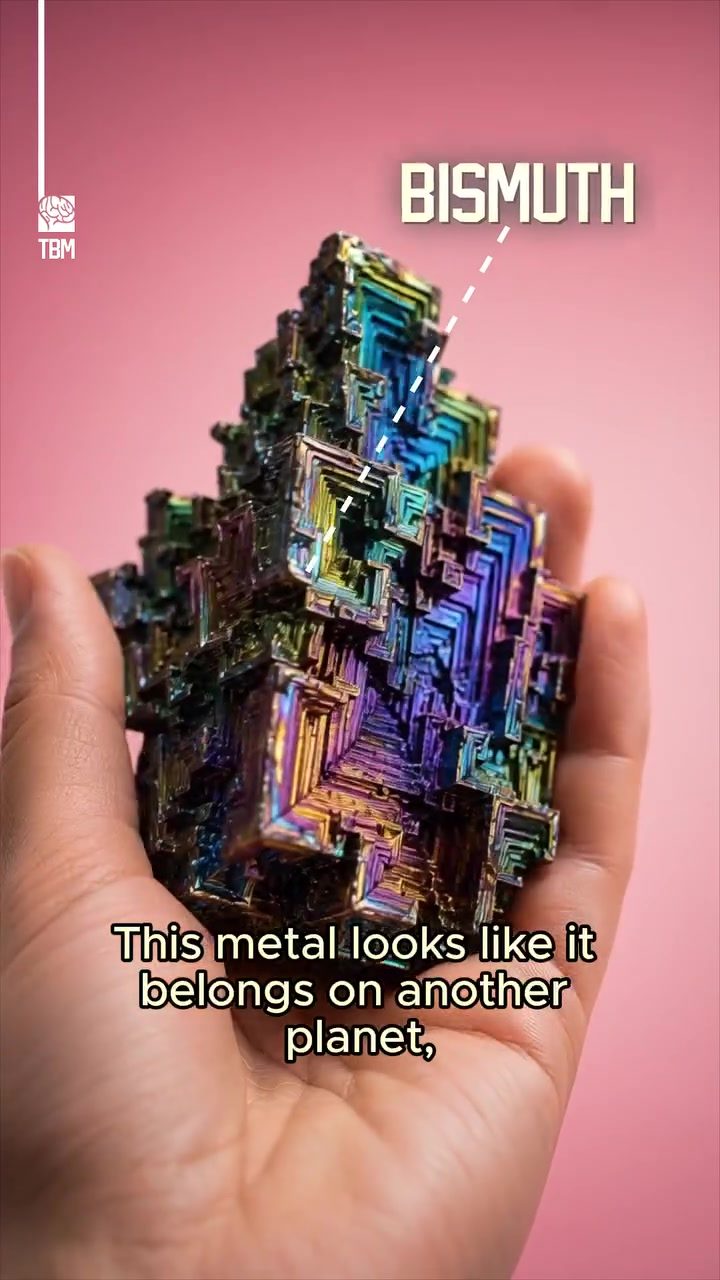
Bismuth Crystals: Earth's Strangest Metal
Bismuth, a metal with an otherworldly appearance, forms intricate geometric crystals as it cools. These crystals, adorned with a thin oxide layer, display a mesmerizing rainbow of colors. Bismuth's unique properties and stunning visual appeal make it a subject of fascination in the realms of material science, astronomy, and industry.
Why This Matters
Bismuth's beauty is not its only remarkable feature. This metal has a low melting point, making it easy to work with and cast into various shapes. Its expansion as it solidifies allows for the creation of detailed molds, and its low toxicity makes it a safer alternative in various applications. Understanding bismuth crystals opens up possibilities in fields ranging from medicine and cosmetics to electronics and safer metal alloys.
The Formation of Bismuth Crystals
The Cooling Process
When molten bismuth cools slowly, its atoms arrange themselves into geometric crystals. This process is fascinating because it does not result in smooth, uniform shapes. Instead, bismuth grows in stepped layers, creating intricate structures that resemble miniature cities. Different sections of the crystal develop at varying speeds, leading to the formation of hollow staircases, pyramids, and other complex patterns. As the metal solidifies, it slightly expands, which helps capture fine details in molds—a property that is particularly useful in manufacturing and casting.
The Rainbow Effect
The most striking feature of bismuth crystals is their iridescent, rainbow-like appearance. Despite this vibrant display, bismuth is naturally a silvery white metal. The colors arise from an extremely thin oxide layer that forms when the hot metal comes into contact with air. This layer allows light waves to reflect and interfere with each other, producing a shimmering effect similar to that seen on soap bubbles. This optical phenomenon adds to the allure of bismuth crystals, making them a captivating subject for both scientific study and artistic admiration.
Industrial and Scientific Applications
Uses in Medicine and Cosmetics
Bismuth's unique properties make it valuable in the medical and cosmetic industries. Its low toxicity and non-irritating nature make it a safe choice for various topical applications. In medicine, bismuth compounds are used in treatments for gastrointestinal issues and as an ingredient in some antacids. In cosmetics, bismuth oxychloride is a common ingredient in foundations and powders, providing a smooth, silky texture and a natural glow.
Applications in Electronics
Bismuth's low melting point and excellent thermal conductivity make it a useful material in the electronics industry. It is often used in soldering and in the production of semiconductors and other electronic components. Additionally, bismuth's non-toxicity makes it a safer alternative to lead in various electronic applications, contributing to the development of greener technologies.
Safer Alloys and Environmental Benefits
Bismuth's low toxicity and non-corrosive nature make it an ideal component in the production of safer metal alloys. These alloys are used in various industrial applications, from plumbing to automotive manufacturing, where traditional metals might pose health or environmental risks. By incorporating bismuth into alloys, manufacturers can create products that are both durable and safe for consumers and the environment.
Practical Tips for Growing Bismuth Crystals
Growing bismuth crystals at home can be a rewarding experience, offering a hands-on approach to understanding material science. Here are some practical tips to help you get started:
Essential Equipment
- A crucible or a heat-resistant container to hold the molten bismuth.
- A heat source, such as a propane torch or a furnace, to melt the bismuth.
- Safety gear, including heat-resistant gloves, safety glasses, and a well-ventilated workspace.
- A mold or a surface for the crystals to grow on, such as a small bolt, wire, or piece of metal.
Step-by-Step Process
-
Melting the Bismuth: Place the bismuth in the crucible and heat it until it melts. The melting point of bismuth is relatively low, around 271°C (520°F), so be cautious while handling the molten metal.
-
Introducing a Seed Crystal: Add a small bolt, wire, or piece of metal to the molten bismuth to act as the first surface where the crystal growth begins. This seed crystal will influence the orientation and structure of the growing bismuth crystal.
-
Cooling the Molten Bismuth: Allow the molten bismuth to cool slowly. The slower the cooling process, the more time the atoms have to arrange themselves into geometric crystals. This can take several hours, depending on the size of the crystal you want to grow.
-
Removing the Crystal: Once the bismuth has fully solidified and cooled, carefully remove the crystal from the mold or surface. Handle it gently to avoid damaging the delicate structures.
-
Observing the Crystal: Use a magnifying glass or microscope to observe the intricate details of your bismuth crystal. Note the stepped layers, hollow staircases, and other fascinating structures.
Important Takeaways
- Bismuth crystals form intricate geometric structures as they cool, making them visually captivating.
- The rainbow colors of bismuth crystals are due to an interference effect from a thin oxide layer.
- Bismuth's low melting point, non-toxicity, and thermal conductivity make it valuable in medicine, cosmetics, electronics, and safer alloys.
- Growing bismuth crystals at home can be a rewarding experience, offering insights into material science and the beauty of atomic growth.
Conclusion
Bismuth, with its otherworldly appearance and unique properties, offers a fascinating glimpse into the intricacies of material science. From its mesmerizing geometric crystals to its practical applications in various industries, bismuth continues to captivate both scientists and enthusiasts alike. Whether you are exploring the world of crystal growth or delving into the properties of metals, bismuth provides a rich and rewarding area of study.
Watch the Reel
Questions readers ask
What causes the rainbow colors in bismuth crystals?
The rainbow colors in bismuth crystals are due to a thin layer of bismuth oxide that forms on the surface as the metal cools. This oxide layer interferes with light waves, creating a colorful iridescent effect.
Why is bismuth ideal for casting and manufacturing?
Bismuth has a low melting point, which makes it easy to melt and pour into molds. Additionally, bismuth expands as it solidifies, allowing for the creation of detailed and precise molds. These properties make it a excellent choice for various manufacturing processes.
What are the unique geometries of bismuth crystals?
Bismuth crystals typically form intricate, geometric shapes with sharp, clean edges. The most common shapes are stepped, hopper-like structures with a distinctive stair-stepped pattern. These shapes are a result of the crystal growth process and the way bismuth atoms arrange themselves as the metal cools.
How are bismuth crystals used in medicine?
Bismuth compounds are used in various medical applications due to their low toxicity. They are often used in antacids, anti-diarrheal medications, and treatments for stomach ulcers, as well as in some dental and cosmetic products.
What is the bismuth cooling process?
The bismuth cooling process involves melting the metal and then allowing it to solidify slowly. As bismuth cools, it forms intricate crystals with a thin oxide layer on the surface. The rate of cooling can affect the size and complexity of the resulting crystals.
What factors influence the shape of bismuth crystals?
The shape of bismuth crystals is influenced by factors such as the rate of cooling, the purity of the bismuth, and the presence of any impurities or seed crystals. Faster cooling rates can result in smaller, more irregular crystals, while slower cooling allows for larger, more defined geometric shapes.
What happens to bismuth as it solidifies?
As bismuth solidifies, it expands. This expansion, known as positive thermal expansion, allows for the creation of detailed molds and precise shapes. The expansion also contributes to the formation of the distinctive, geometric crystal structures that bismuth is known for.
Related deep dives
Similar reads based on topic and creator.




Recent articles
Fresh deep dives from the latest Reels we unpacked.




Comments
Be the first to comment.