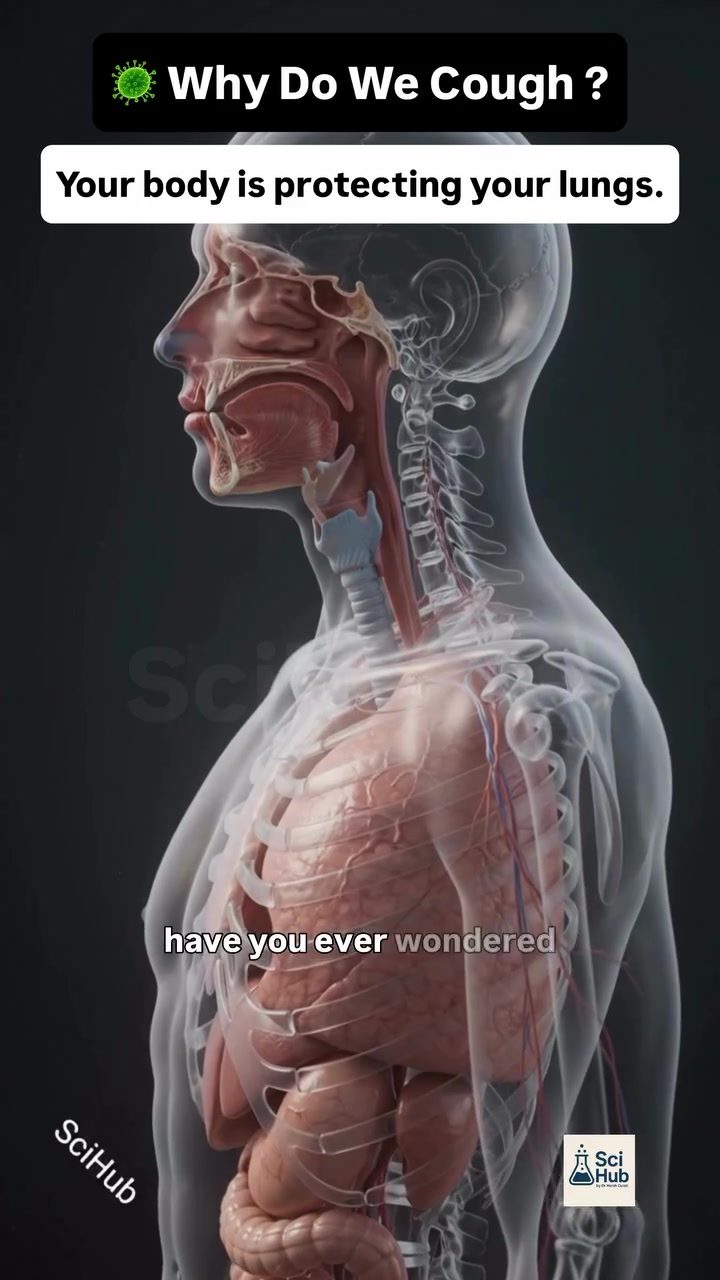
Why Do We Cough?
Understanding the mechanism of coughing is essential for grasping how our bodies protect the respiratory system. Coughing is more than just a reaction to irritation; it is a reflex designed to keep the lungs clean and functional. The process begins when an irritant, such as dust, enters the airway. This triggers a series of rapid, coordinated actions that ultimately expel the irritant, safeguarding the lungs from potential damage.
Why This Matters
The cough reflex is one of the body's most powerful defense mechanisms. It helps maintain respiratory health by clearing the airways of foreign particles, mucus, and other irritants. Recognizing the intricacies of this process can offer insights into respiratory health and the body's natural protective mechanisms. Understanding why and how we cough can also help differentiate between normal, protective coughs and those that may indicate an underlying health issue.
The Anatomy of a Cough
The cough reflex is a complex process involving several parts of the respiratory system and the nervous system. Here's a step-by-step breakdown of what happens:
Detection of the Irritant
When an irritant, such as dust, smoke, or mucus, enters the airway, it triggers tiny sensory receptors located in the trachea. These receptors are highly sensitive to foreign particles and irritation. Once an irritant is detected, these receptors send emergency signals through the vagus nerve to the cough center in the brainstem.
Preparing the Cough Reflex
Upon receiving the signals, the brainstem coordinates the cough reflex. This involves several actions:
- Inhalation: The body takes a deep breath, preparing for the cough.
- Vocal Cord Closure: The vocal cords close tightly, creating a barrier that allows pressure to build up in the lungs.
- Pressure Build-Up: The lungs rapidly accumulate pressure, preparing to expel the irritant with a powerful burst of air.
Expelling the Irritant
The final phase of the cough reflex is the actual expulsion of the irritant. This process involves:
- Vocal Cord Opening: The vocal cords suddenly open, releasing the trapped air.
- Airflow Through the Airways: The air rushes upward at high speed, striking the irritant and sweeping it out of the airway.
- Clearing the Airway: The powerful airflow effectively sweeps dust and mucus out of the airway, keeping the lungs clean and protected.
Practical Tips
Staying Healthy
Since coughing is a natural protective mechanism, it's crucial to support respiratory health through various means:
- Avoid Irritants: Minimize exposure to dust, smoke, and other airborne irritants to reduce the frequency and severity of coughing episodes.
- Hydration: Stay hydrated to keep the mucous membranes in the respiratory tract moist, which helps in effective clearing of irritants.
- Regular Check-Ups: Regular medical check-ups can help identify and manage any underlying respiratory conditions that may affect coughing.
Differentiating Between Normal and Problematic Coughs
While a single cough can help protect the lungs, persistent or severe coughing may indicate an issue. Pay attention to the following signs:
- Persistent Cough: A cough that lasts more than a few weeks may warrant a visit to a healthcare provider.
- Accompanying Symptoms: If coughing is accompanied by fever, wheezing, or difficulty breathing, seek medical attention.
- Changes in Mucus: Monitor the color and consistency of mucus. Changes may indicate an infection or other health issues.
Important Takeaways
The cough reflex is an essential part of the respiratory system's defense mechanism. It helps protect the lungs from harmful particles by rapidly expelling irritants through coordinated actions of the respiratory and nervous systems. Understanding this process can help differentiate between normal coughing and signs of potential health issues.
Conclusion
Coughing is a fascinating and complex reflex that showcases the body's intricate defense mechanisms. By understanding the steps involved in the cough reflex, from the detection of an irritant to the expulsion of harmful particles, we gain a deeper appreciation for the body's natural ability to protect itself. Regular respiratory health maintenance and recognizing when to seek medical advice can further support this vital function.
Watch the Reel
Questions readers ask
How does the cough reflex contribute to airway protection?
The cough reflex is a rapid, involuntary response that helps clear the airways of irritants, mucus, and other foreign particles. It ensures that these potential threats do not accumulate and cause harm, thereby maintaining the health and functionality of the lungs.
What role does the brainstem play in the coughing process?
The brainstem is crucial in initiating the cough reflex. When an irritant is detected in the airways, sensory nerves send signals to the brainstem, which then triggers a series of coordinated muscle contractions to expel the irritant.
Why is coughing beneficial for lung health?
Coughing is beneficial for lung health because it helps to clear the airways of mucus and irritants. This process prevents the buildup of harmful substances that could lead to infection or other respiratory issues, ensuring the lungs remain clear and functional.
How does the body react when dust particles enter the airways?
When dust particles enter the airways, they act as irritants and stimulate specialized receptors in the respiratory tract. These receptors send signals to the brainstem, initiating the cough reflex to expel the particles and protect the lungs from potential damage.
What are the key benefits of the cough reflex?
The key benefits of the cough reflex include clearing the airways of irritants, mucus, and foreign particles. This helps to prevent infections, maintain respiratory health, and ensure the lungs function properly by expelling potential threats.
How does the cough reflex help in maintaining respiratory health?
The cough reflex helps to maintain respiratory health by preventing the buildup of harmful substances in the airways. Regular and effective coughing ensures that irritants and mucus are expelled, keeping the respiratory system clear and functional.
Related deep dives
Similar reads based on topic and creator.



Recent articles
Fresh deep dives from the latest Reels we unpacked.




Comments
Be the first to comment.