Beaver Teeth: An Evolutionary Marvel of Continuous Growth and Sharpening
Beavers are remarkable creatures, known for their industrious nature and ability to engineer their environment. Central to their survival and success are their unique teeth, which never stop growing and possess a built-in sharpening mechanism.
Why This Matters
Understanding the intricate design and functioning of beaver teeth provides valuable insights into evolutionary adaptations and the interdependence between animals and their ecosystems. These specialized teeth aren’t just tools for survival but also play a critical role in shaping the landscape in which beavers thrive.
The Anatomy of a Beaver's Teeth
Unique Structure
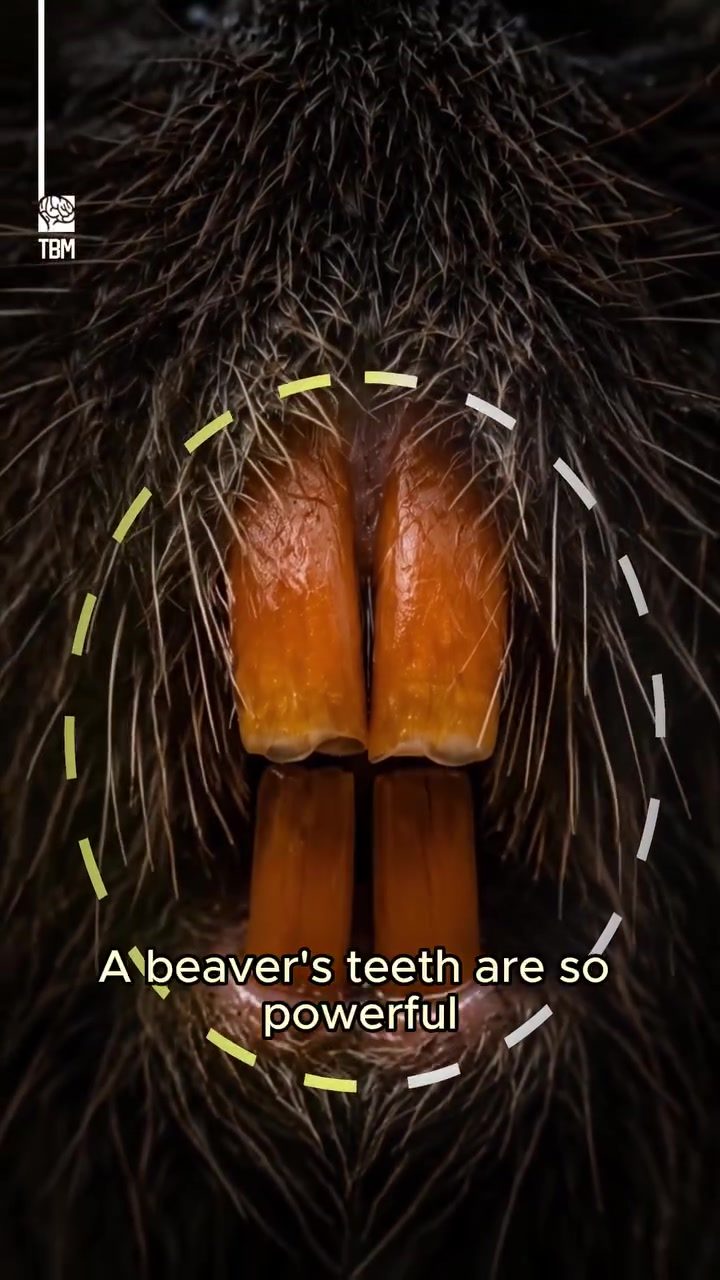
A beaver's incisors are composed of two distinct layers: hard, iron-rich enamel on the front and softer dentin on the back. This dual-layer structure is key to their self-sharpening ability. The front layer, made of enamel is harder and more durable, which gives the teeth their strength and resilience. The back layer, composed of softer dentin, wears away more quickly when the beaver chews on wood and other materials. This uneven wear constantly creates a razor-sharp chisel edge, making their teeth incredibly efficient for cutting through wood.
Continuous Growth
One of the most fascinating aspects of beaver teeth is their continuous growth. Unlike human teeth, which stop growing after a certain age, a beaver's incisors grow throughout its life. This continuous growth is both a boon and a challenge. While it ensures that the teeth remain functional over a long lifespan, it also requires constant maintenance. If a beaver’s teeth grow unchecked, they can become dangerously overgrown, interfering with the animal's ability to eat and survive.
The Role of Wood-Chewing in Beavers' Ecosystem
Maintaining Dental Health
For beavers, gnawing on wood is not just a matter of building dams and lodges; it’s a vital behavior for maintaining their dental health. The constant chewing of wood helps to wear down the softer dentin, ensuring that the teeth remain sharp and functional. This activity is so crucial that without it, beavers’ teeth would grow out of control, making it difficult for them to eat and survive.
Engineering the Landscape
Beavers play a significant role in shaping their environment. By felling trees and gnawing through wood, they create dams, lodges, and ponds that transform the landscape. These structures provide habitat for the beavers themselves and a variety of other species. The constant gnawing not only maintains the teeth but also plays a critical role in the ecosystem by creating wetlands, which support a diverse range of flora and fauna. Beavers are often referred to as "ecosystem engineers" due to their profound impact on the environment.
Practical Tips for Understanding Beaver Teeth
Observing Beavers in the Wild
To truly appreciate the marvel of beaver teeth, observing beavers in their natural habitat can be enlightening. Watching a beaver gnaw on wood allows you to see the continuous process of sharpening in action. It’s a reminder of the intricate balance between form and function in nature.
Studying Their Impact on the Ecosystem
Understanding the role of beavers in their ecosystem can provide a deeper appreciation for the interconnectedness of nature. By studying how beavers use their teeth to shape the landscape, you can see the broader impact of their actions on the environment and the species that depend on it.
Important Takeaways
Beaver teeth are a testament to the wonders of natural design. Their unique structure, continuous growth, and self-sharpening mechanism are evolutionary adaptations that ensure their survival and enable them to significantly impact their environment. Understanding these mechanisms provides a deeper appreciation for the natural world and the intricate balance that sustains it.
Conclusion
Beaver teeth are not just tools for survival but also critical elements in the ecological balance of their environment. The continuous growth and self-sharpening mechanism of these teeth ensure that beavers can maintain their dental health and fulfill their role as ecosystem engineers. By gnawing on wood, beavers not only keep their teeth in check but also reshape their habitat, creating wetlands that support a diverse range of life. This fascinating interplay between form and function, nature and nurture, is a testament to the marvels of the natural world.
Watch the Reel
Questions readers ask
Why do beaver teeth grow continuously?
Beaver teeth grow continuously to compensate for the wear and tear they experience from their wood-chewing activities. By continuously growing, beavers maintain the effectiveness of their teeth, which are crucial for their survival and ability to manipulate their environment.
How do beaver teeth stay sharp?
Beaver teeth have a unique structure with hard, iron-rich enamel on the front and softer dentin on the back. As the teeth grow, the tooth's backside wears away quicker, resulting in an automatic sharpening process.
What are the primary roles of beaver teeth in their ecosystem?
Beaver teeth play a critical role in shaping the ecosystems they inhabit. By felling trees and building dams, beavers create habitats for various species and influence the flow of water, which can lead to the formation of wetlands and other water bodies.
What is the structure of a beaver's front teeth?
A beaver's front teeth, or incisors, are composed of two distinct layers: a hard, iron-rich enamel on the outer layer and a softer dentin layer on the inside. This structure allows the teeth to remain sharp as the softer dentin wears away faster than the harder enamel.
What happens if a beaver's teeth stop growing?
If a beaver's teeth stop growing, the animal would face significant difficulties in survival, as their teeth would quickly become dull and ineffective for wood-chewing. This could lead to malnutrition and other health issues, ultimately threatening the beaver's life.
How do beavers' back teeth differ from their front teeth?
Unlike the continuously growing front teeth, a beaver's back teeth, or molars, are not subject to the same rapid growth process. They have a different structure and function, primarily aiding in grinding food rather than cutting or chewing wood.
What would happen if a beaver's teeth did not have the iron-rich enamel?
Without the iron-rich enamel, a beaver's teeth would not maintain their sharpness as effectively. This would make it much harder for beavers to cut through wood, impacting their ability to build dams, chew through trees, and manipulate their environment, ultimately affecting their survival.
Related deep dives
Similar reads based on topic and creator.




Recent articles
Fresh deep dives from the latest Reels we unpacked.




Comments
Be the first to comment.