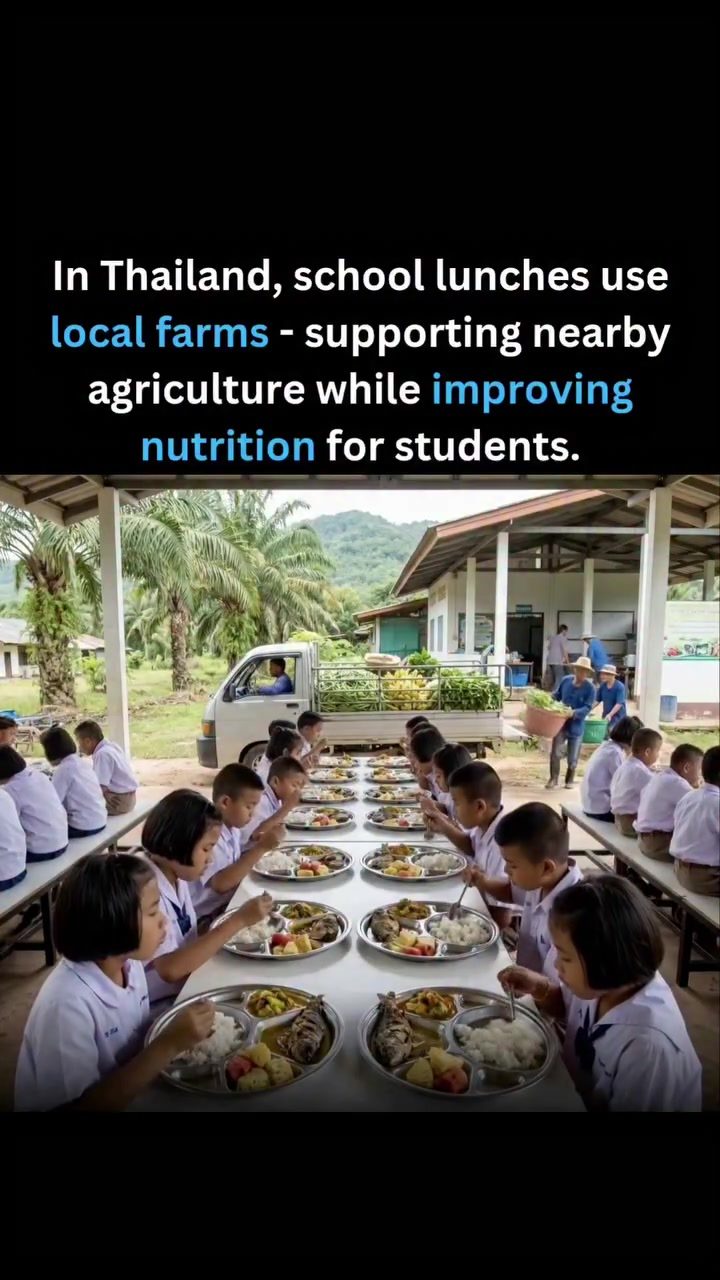
Thailand's School Lunch Program: Fostering Local Agriculture and Student Health
Thailand's school lunch program is a multifaceted initiative that combines nutritional benefits for students with support for local agriculture. This program is designed to enhance the overall well-being of students while also promoting local farming communities. The program adheres to the principles of sustainability and healthfulness by leveraging locally sourced ingredients.
Why This Matters
The school lunch program in Thailand holds significant importance for several reasons. First and foremost, it ensures that students receive balanced and nutritious meals, which are crucial for their growth and development. Additionally, by sourcing ingredients from local farms, the program supports nearby agricultural communities, fostering economic stability. This initiative also introduces students to the concept of sustainable living and the benefits of consuming locally grown foods.
Main Discussion
Local Sourcing and Agricultural Support
At the heart of Thailand's school lunch program is the use of locally sourced ingredients. By partnering with local farms, the program ensures that fresh, high-quality food is available to students. This approach not only enhances the nutritional value of the meals but also reduces the carbon footprint associated with food transportation. Local farmers benefit from a consistent market for their produce, which contributes to their economic stability and growth. Students, in turn, are exposed to a variety of fresh fruits and vegetables, providing them with a well-rounded diet.
Nutritional Benefits
Nutrition is a key focus of Thailand's school lunch program. The meals are designed to meet the nutritional needs of growing children, ensuring they receive essential vitamins, minerals, and proteins. By incorporating a diverse range of locally sourced ingredients, the program promotes a balanced diet that supports both physical and cognitive development. Students who participate in this program are more likely to develop healthy eating habits that will benefit them throughout their lives.
Economic and Community Impact
The program's emphasis on local sourcing has a positive impact on the local economy. Farmers who supply ingredients to the schools benefit from increased sales and a stable market, which helps sustain their livelihoods. This economic support can lead to improved farming practices and better-quality produce. Additionally, the program fosters a sense of community by linking schools with local farmers, creating a mutually beneficial relationship.
Educational Value
Beyond the immediate benefits of nutrition and agricultural support, the program also serves as an educational tool. Students gain firsthand knowledge about the origins of their food and the importance of agriculture. This hands-on experience can inspire interest in farming and sustainable living, potentially leading to future careers in agriculture. Moreover, students learn about the significance of supporting local businesses and the value of community engagement.
Sustainability and Environmental Benefits
Sustainability is another critical aspect of Thailand's school lunch program. By sourcing ingredients locally, the program reduces the environmental impact associated with food transportation. This practice not only conserves energy but also reduces greenhouse gas emissions, contributing to a healthier planet. The program also promotes waste reduction and recycling, further enhancing its environmental benefits. Students are taught the importance of sustainable practices, instilling in them an appreciation for environmental stewardship.
Practical Tips
If you are involved in a school lunch program or are interested in supporting local agriculture, here are some practical tips to consider:
-
Engage with Local Farmers: Establish partnerships with local farmers to ensure a steady supply of fresh, high-quality ingredients. This not only supports local agriculture but also enhances the nutritional value of the meals.
-
Promote Nutritional Awareness: Educate students about the importance of nutrition and the benefits of consuming locally sourced foods. Incorporate lessons on healthy eating habits and the environmental impact of food choices.
-
Encourage Community Involvement: Foster a sense of community by involving students, parents, and local farmers in the program. This can be achieved through farm visits, workshops, and community events.
-
Implement Sustainable Practices: Focus on reducing waste and conserving resources. Encourage recycling and composting in the school cafeteria and promote the use of eco-friendly materials.
-
Track Impact and Make Adjustments: Continuously monitor the program's impact on both student health and local agriculture. Use this data to make necessary adjustments and improve the program over time.
Important Takeaways
- Thailand's school lunch program is a model for integrating local agriculture into school meal planning.
- The program supports local farmers and promotes economic stability in rural areas.
- Students benefit from nutritious, locally sourced meals that support their physical and cognitive development.
- The initiative fosters a sense of community and environmental awareness among students.
- Sustainability and waste reduction are key components of the program, contributing to a healthier planet.
Conclusion
Thailand's school lunch program exemplifies how educational institutions can play a pivotal role in promoting local agriculture and improving student health. By focusing on sustainable practices, nutritional benefits, and community engagement, the program sets a strong example for similar initiatives worldwide. The positive impact on both students and local farmers underscores the value of integrating local agriculture into school meal programs.
Watch the Reel
Questions readers ask
How does Thailand's school lunch program benefit local farmers?
Thailand's school lunch program benefits local farmers by providing a reliable market for their produce. This consistent demand helps to ensure economic stability for farmers and encourages them to continue growing fresh, high-quality crops. Additionally, the program often prioritizes buying from small, local farms, which can have a significant impact on their success.
What types of meals do Thai students receive through the school lunch program?
Thai students enjoy a variety of nutritious and well-balanced meals through the school lunch program. These meals are designed to provide essential nutrients for growing children and often include locally sourced fruits, vegetables, and proteins. The menus are typically developed with the help of nutritionists to ensure they meet dietary needs.
How does the school lunch program in Thailand promote sustainability?
The school lunch program in Thailand promotes sustainability by prioritizing locally sourced ingredients. This reduces the carbon footprint associated with food transportation and supports local agriculture. Additionally, the program encourages sustainable farming practices among suppliers, further contributing to environmental conservation.
Can parents get involved in the school lunch program?
While the specifics can vary by school, many Thai schools encourage parent involvement in the school lunch program. Parents may participate in committees that oversee meal planning, provide input on menus, or even help with food preparation. This involvement can help ensure that the meals align with the students' preferences and nutritional needs.
Related deep dives
Similar reads based on topic and creator.


Recent articles
Fresh deep dives from the latest Reels we unpacked.




Comments
Be the first to comment.