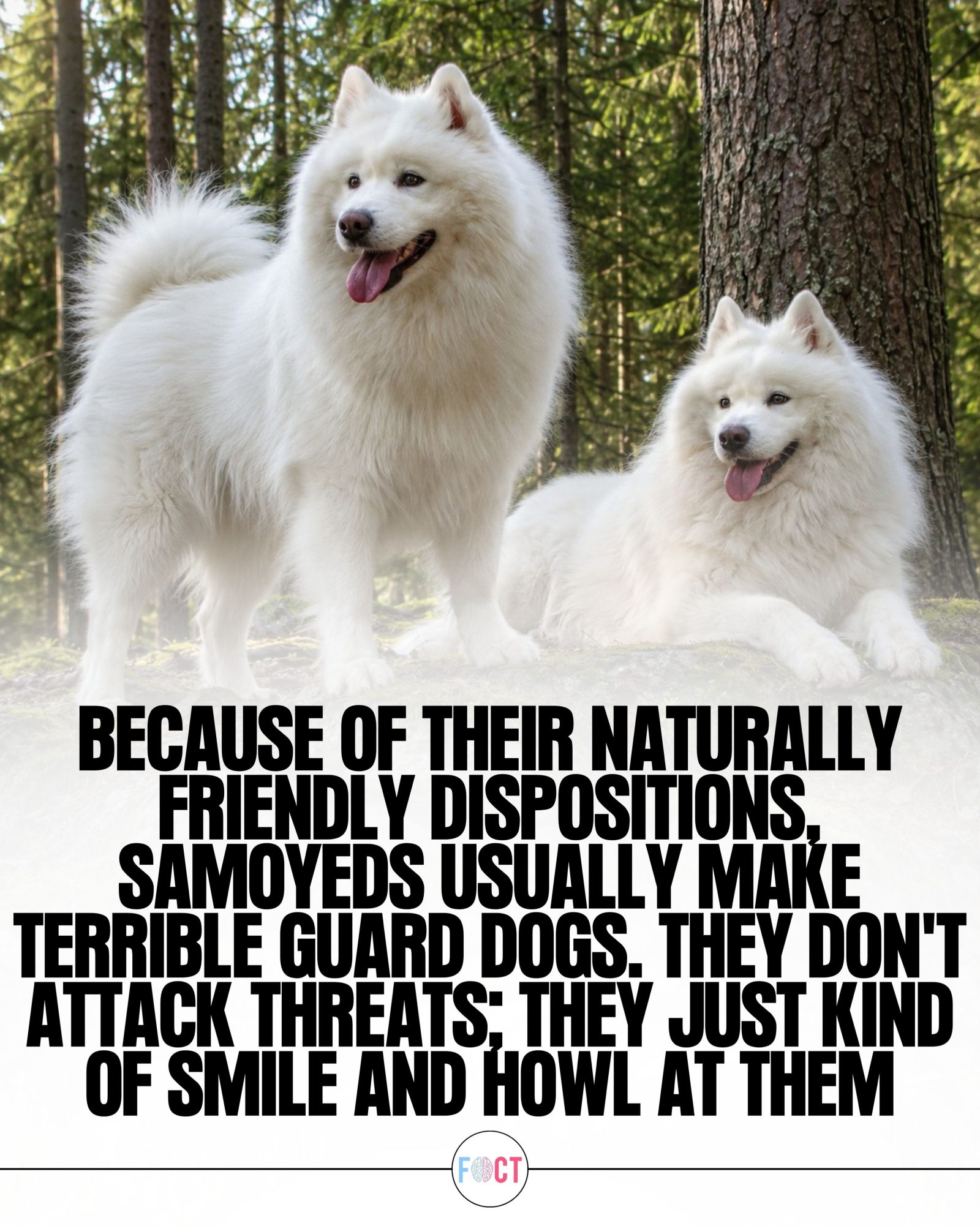
Samoyed Dogs
Samoyeds, also known affectionately as “Sammie smile” or “smiley dog,” are beloved for their friendly and affable disposition. This breed is characterized by its alert and happy expression, which is a big part of why they are so popular as family pets. However, their gentle nature also means they are not typically effective as guard dogs. They prefer to smile and howl rather than exhibit aggressive behavior. Let's delve into what makes Samoyeds unique and how to best care for these charming canines.
Context / Why This Matters
Understanding the temperament and traits of a Samoyed is crucial for anyone considering this breed as a pet. While their friendly nature is endearing, it also means they have specific needs and behaviors that potential owners should be aware of. Whether you're already a Samoyed owner or just curious about the breed, knowing their unique characteristics can help you provide the best possible care and environment for your furry companion.
Main Discussion
Temperament and Behavior
Samoyeds are known for their friendly and outgoing personalities. They are excellent companions, especially for small children or even other dogs. Their playful nature extends well into their senior years, making them a joy to be around. However, their friendly disposition means they are not typically effective as guard dogs. Instead, they are more likely to greet intruders with a friendly bark and a smile.
Physical Characteristics
One of the most recognizable features of a Samoyed is their fluffy, white coat. This double coat is perfect for cold climates, but it also requires regular grooming to prevent matting and excessive shedding. Their alert and happy expression, often described as a “Sammie smile,” is another signature trait of the breed. This, along with their tendency to bark, makes them diligent watchdogs, alerting you to any approaching visitors or animals.
Historical Background
Samoyeds originated as sled dogs in the Arctic regions, which explains their love for pulling things. This trait is deeply ingrained in their nature, and an untrained Samoyed may pull its owner on a leash rather than walking alongside. Their sled dog heritage also means they have a strong working drive and need plenty of physical and mental stimulation to stay happy and healthy.
Common Behaviors
According to the Samoyed Club of America, when Samoyeds become bored, they may become destructive or start to dig. This is a common behavior among breeds with a strong working drive, and it's important for owners to provide adequate exercise and mental stimulation to keep their Samoyed from becoming bored. They are also known for their love of digging, which can sometimes lead to mischief if not properly managed.
Practical Tips
Training
Given their strong pulling instinct, training a Samoyed from an early age is essential. Positive reinforcement methods, such as treats and praise, work well with this breed. Teaching them to walk on a leash without pulling requires patience and consistency. Working with a professional dog trainer can also be beneficial, especially for first-time Samoyed owners.
Socialization
Early socialization is crucial for Samoyeds to help them become well-adjusted adults. Introduce them to a variety of people, animals, and environments from a young age. This will help prevent them from becoming overly protective or fearful of unfamiliar situations. Socialization also helps reinforce their friendly and outgoing nature, making them even better companions.
Exercise
Samoyeds need plenty of exercise to keep them physically and mentally stimulated. Long walks, runs, and play sessions are essential. Given their sled dog heritage, they also enjoy activities like pulling a sled or participating in dog sports. Engaging in these activities can help satisfy their working drive and keep them happy and healthy.
Grooming
Regular grooming is necessary to maintain a Samoyed's fluffy, white coat. This includes brushing at least a few times a week to prevent matting and reduce shedding. Regular baths and nail trims are also important. Professional grooming may be required to keep up with their high-maintenance coat, especially during shedding seasons.
Important Takeaways
- Samoyeds are friendly and affectionate dogs, making them excellent companions for families with children and other pets. But their friendly nature makes them poor guard dogs.
- Their sled dog heritage means they have a strong working drive and need plenty of physical and mental stimulation.
- Early socialization and consistent training are essential for raising a well-behaved and happy Samoyed.
- Their fluffy, white coat requires regular grooming to prevent matting and excessive shedding.
Conclusion
Samoyeds are charming and lovable dogs with a unique set of traits and behaviors that make them wonderful companions. From their friendly disposition to their playful nature, they bring joy and warmth to any home. However, their need for proper exercise, socialization, and training makes them best suited for experienced dog owners who can provide the necessary care and attention. By understanding and addressing their specific needs, you can ensure a happy and fulfilling life for your Samoyed.
Watch the Reel
Questions readers ask
Why are Samoyeds considered poor guard dogs?
Samoyeds are poor guard dogs due to their friendly and outgoing nature. They typically greet intruders with a bark and a welcoming demeanor, rather than displaying protective or aggressive behavior.
What is the 'Sammie smile' and how does it relate to their guard dog capabilities?
The 'Sammie smile' refers to the Samoyed's alert and happy facial expression. This friendly appearance contributes to their poor guard dog capabilities, as it makes them seem more approachable than threatening.
How do Samoyeds typically react to strangers?
Samoyeds are affectionate dogs that prefer to greet strangers with enthusiasm. They are more likely to wag their tails and invite playtime than to exhibit protective or territorial behavior.
Can Samoyeds be trained to be better guard dogs?
While basic training can help Samoyeds learn some protective behaviors like barking at intruders, their inherent friendly nature makes them unlikely to become effective guard dogs. Their instincts are strongly geared toward being welcoming and friendly.
What are some better breeds for guard dog roles?
Breeds that are more suitable for guard dog roles include German Shepherds, Rottweilers, and Doberman Pinschers. These dogs are known for their protective instincts, alertness, and territorial behaviors, which make them better suited for guarding and protecting property.
Are Samoyeds good with families?
Yes, Samoyeds are excellent family pets due to their friendly and affectionate nature. They are great with children and other pets, making them wonderful companions for families looking for a loving and playful addition.
Related deep dives
Similar reads based on topic and creator.
Recent articles
Fresh deep dives from the latest Reels we unpacked.




Comments
Be the first to comment.