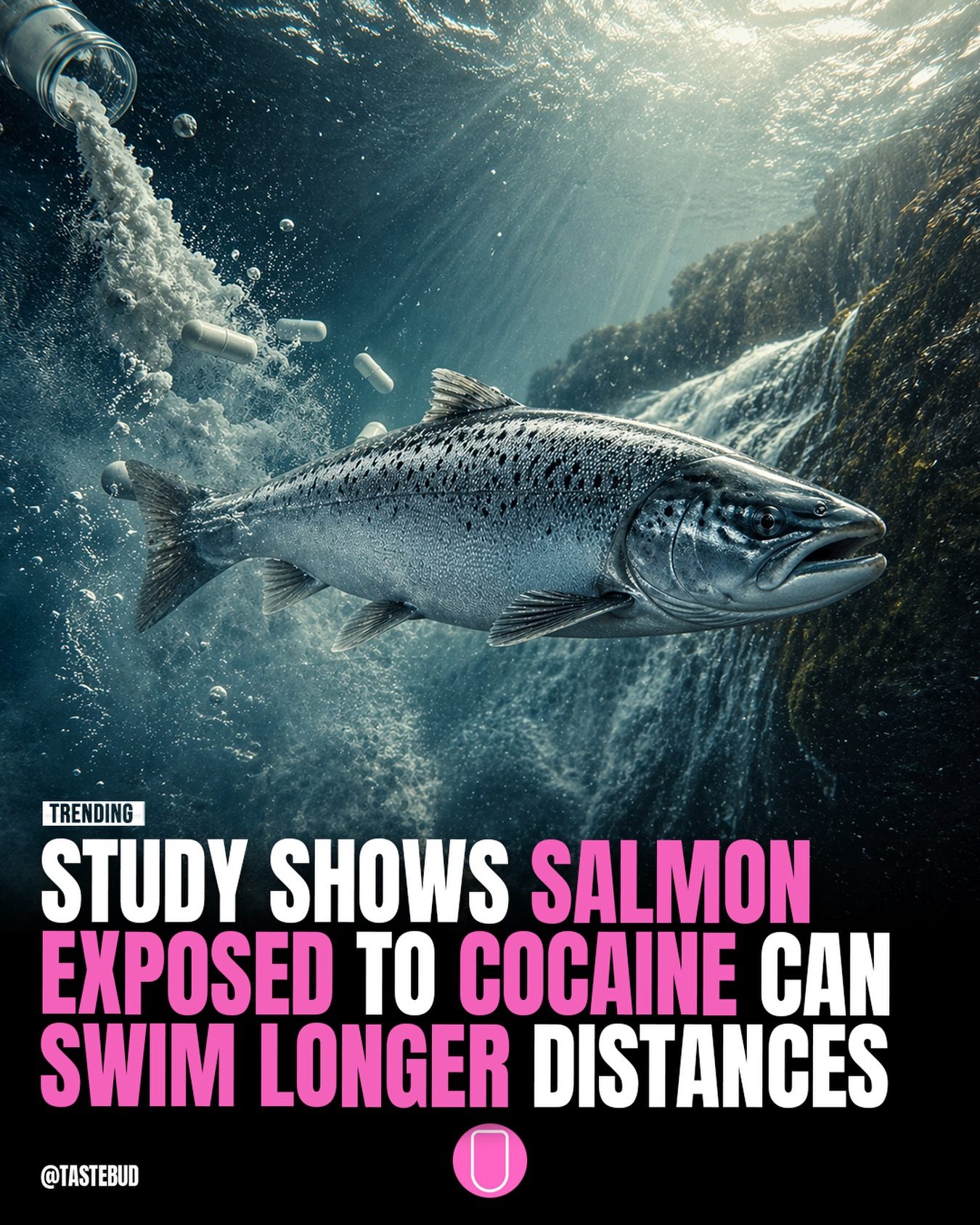
Salmon and Cocaine: How Drug Exposure Alters Their Swimming Behavior
A study conducted by researchers from Griffith University and the Swedish University of Agricultural Sciences has shed light on an unusual phenomenon: the impact of cocaine exposure on the swimming behavior of wild salmon. By exposing 105 Atlantic salmon to trace amounts of cocaine and its byproduct, the researchers discovered that the fish swam nearly twice as far as usual. Some salmon traveled up to eight extra miles per week, illustrating how pollutants can disrupt natural migration patterns in unexpected ways.
Context / Why this Matters
Human activities, particularly the release of pharmaceuticals and illicit drugs into waterways, can have far-reaching effects on aquatic ecosystems. These substances, often present in trace amounts, can accumulate in the environment and affect wildlife behavior. The findings from this study highlight the need for greater awareness and action regarding the disposal of drugs and other pollutants, as their impact on wildlife can be more significant than previously thought.
Main Discussion
The Study and Its Findings
The study involved exposing 105 Atlantic salmon to trace amounts of cocaine and its byproduct to observe any changes in their swimming behavior. The results were striking: the salmon swam nearly twice as far as they normally would, with some individuals covering up to eight extra miles per week. This increased activity suggests that even small amounts of these substances can have a profound impact on the natural behaviors of these fish.
The Mechanisms Behind the Behavioral Changes
While the exact mechanisms behind these behavioral changes are not fully understood, it is believed that the presence of cocaine and its byproduct in the water can alter the nervous system and metabolism of the salmon. This alteration may lead to increased energy levels and over-exertion, causing the fish to swim farther than they would under normal circumstances.
Implications for Wildlife Behavior
The findings of this study have significant implications for understanding how human waste and pollutants can impact wildlife behavior. The altered migration patterns of the salmon could disrupt their natural life cycles, affecting reproduction, feeding, and survival rates. This disruption could have cascading effects on the broader ecosystem, as salmon play a crucial role in many aquatic food webs.
The Broader Environmental Impact
The study emphasizes the importance of understanding how human activities, particularly the disposal of pharmaceuticals and illicit drugs, can impact the environment. Drugs like cocaine, when flushed down the drain or discarded improperly, can end up in waterways and contaminate aquatic ecosystems. This contamination can have unintended consequences, such as altering the behavior of wildlife and disrupting natural ecological processes.
Practical Tips
To mitigate the impact of drug disposal on the environment, consider the following practical tips:
- Proper Disposal: Always follow local regulations for disposing of medications and drugs. Many communities have designated drop-off locations for unused or expired medications to prevent them from entering the water supply.
- Reduce Consumption: Where possible, reduce the use of medications that can have environmental impacts. Consult healthcare providers about alternative treatments or sustainable options.
- Educate Others: Spread awareness about the potential environmental impacts of improper drug disposal. Encourage friends, family, and colleagues to adopt safe disposal practices.
- Support Research: Advocate for more research into the environmental impacts of pharmaceuticals and illicit drugs, as well as the development of sustainable disposal methods and treatment technologies.
Important Takeaways
The study on the impact of cocaine exposure on salmon behavior underscores several key points:
- Sensitivity to Pollutants: Even trace amounts of drugs and pollutants can have significant effects on wildlife behavior.
- Altered Migration Patterns: The increased swimming activity of the salmon highlights how pollutants can disrupt natural migration patterns and affect the overall health of aquatic ecosystems.
- Environmental Awareness: The findings emphasize the need for greater awareness and action regarding the disposal of drugs and other pollutants to protect aquatic ecosystems.
- Broader Implications: The altered behavior of salmon could have broader implications for the entire ecosystem, affecting other species and ecological processes.
Conclusion
The discovery that trace amounts of cocaine can dramatically alter the swimming behavior of Atlantic salmon is a stark reminder of the unintended consequences of human activities on the environment. This study highlights the importance of responsible drug disposal and the need for further research into the impacts of pollutants on wildlife. By taking steps to reduce drug contamination in waterways, we can help protect aquatic ecosystems and ensure the health and well-being of the diverse species that call them home.
Watch the Reel
Questions readers ask
How does cocaine exposure affect the swimming behavior of salmon?
Cocaine exposure causes salmon to exhibit heightened swimming activity. Specifically, salmon exposed to trace amounts of cocaine and its byproduct have been found to swim nearly twice as far as usual, traveling up to eight extra miles per week. This change in behavior indicates a significant alteration in their natural migration patterns and swimming habits.
What are the potential impacts of increased swimming activity on salmon populations?
Increased swimming activity due to cocaine exposure can have several potential impacts on salmon populations. It can lead to disrupted migration patterns, increased energy expenditure, and altered feeding behaviors. These changes may affect the salmon's ability to survive, reproduce, and maintain healthy populations in their natural habitats.
How do pharmaceutical and illicit drug pollutants enter aquatic ecosystems?
Pharmaceutical and illicit drug pollutants often enter aquatic ecosystems through human activities such as improper disposal of medications, wastewater treatment plant discharges, and environmental runoff. These pollutants can then accumulate in waterways, affecting aquatic life and disrupting ecosystems.
What are the key findings from the study on cocaine and salmon?
The study conducted by Griffith University and the Swedish University of Agricultural Sciences found that salmon exposed to cocaine showed increased swimming activity, with some traveling up to eight extra miles per week. This discovery highlights the potential disruptive effects of drug pollutants on fish behavior and their natural migration patterns.
What other types of pollutants can affect salmon and their habitats?
Besides illicit drugs, various pollutants such as heavy metals, pesticides, and industrial chemicals can affect salmon and their habitats. These pollutants can alter water quality, impact fish health, and disrupt ecosystem balance, making it crucial to monitor and manage water quality in salmon habitats.
what is the significance of the salmon swimming distance increase?
The increase in swimming distance is significant because it indicates a substantial change in the fish's natural behavior, which could impact their survival, reproduction, and overall health. This increase also highlights the potential long-term effects of drug pollutants on salmon populations and aquatic ecosystems.
How can the public help mitigate the impact of drug pollutants in waterways?
The public can help mitigate the impact of drug pollutants in waterways by properly disposing of unwanted medications, participating in drug take-back programs, and supporting policies that promote better wastewater treatment and environmental protection. These actions can reduce the amount of pollutants entering waterways and help protect aquatic ecosystems.
Related deep dives
Similar reads based on topic and creator.



Recent articles
Fresh deep dives from the latest Reels we unpacked.




Comments
Be the first to comment.