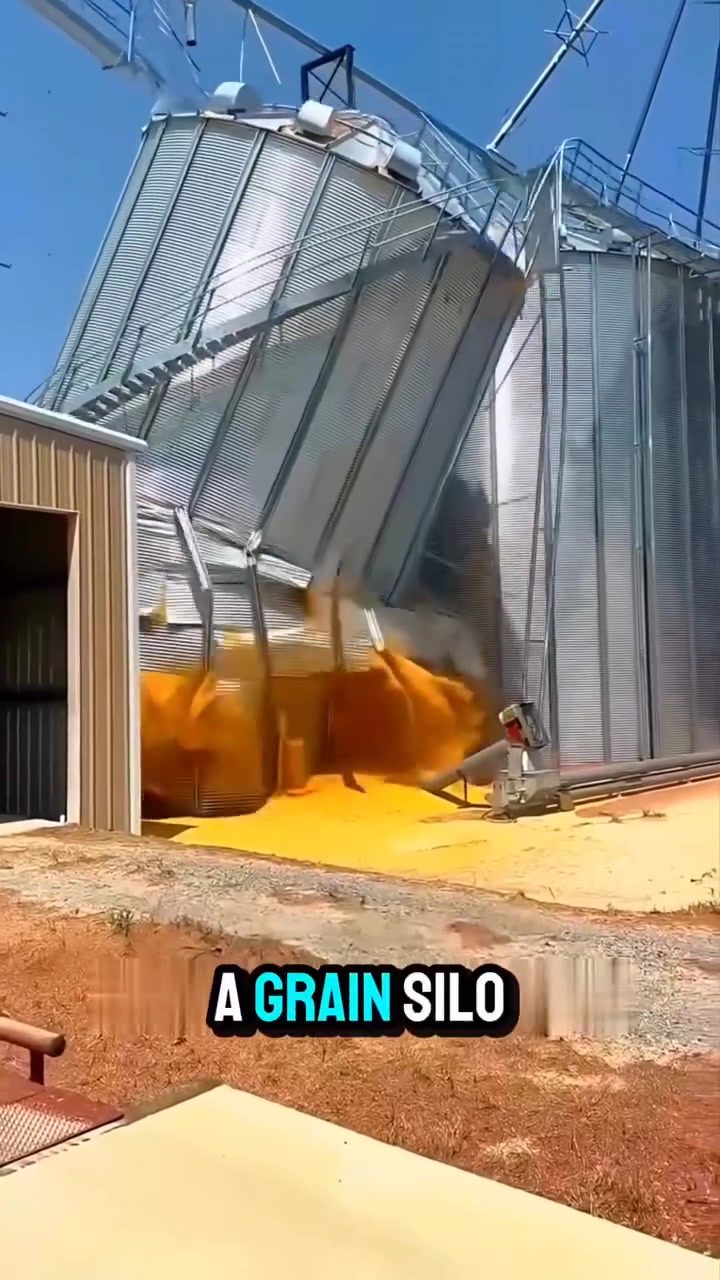
Grain Silos and The Hidden Dangers
Grain silos are common sights in agricultural and industrial landscapes, storing vast quantities of grain like corn. While they may seem innocuous, these structures can pose significant hazards, particularly when grain starts to flow. Understanding the risks and the proper safety measures is crucial for anyone working near or inside grain silos.
Why This Matters
Grain silos are essential for storing large volumes of grain, but they can become treacherous environments when the grain begins to move. The flowing grain can behave like quicksand, pulling workers down and making it nearly impossible to escape. Every year, workers lose their lives in these incidents, highlighting the need for awareness and proper safety protocols.
Understanding the Hazards
The Danger of Flowing Grain
When the discharge gate at the bottom of a silo opens, the grain starts to flow like a liquid. For a worker standing on top of the grain, this can be devastating. The flowing grain can pull the worker under within seconds, and the more they struggle, the faster they sink. The weight of the grain can exert thousands of pounds of pressure on the body, making it impossible to breathe.
The Mechanics of Trapping
The grain's movement creates a suction effect, much like quicksand, which draws a person deeper into the grain. This phenomenon is due to the grain's ability to flow and compact around the individual, creating a vacuum-like effect. The pressure can be so intense that it can crush internal organs and cause fatalities.
Rescue Operations
When a worker becomes trapped in flowing grain, immediate and specialized rescue operations are necessary. Traditional methods of pulling the victim out can cause severe injuries, as the grain's pressure and weight can exacerbate any existing injuries or cause new ones.
Specialized Equipment
Rescue teams use specialized grain rescue tubes to safely extract trapped workers. These tubes are assembled around the victim to block the flowing grain, creating a stable environment. Once the victim is secured within the tube, teams use augers or vacuum equipment to remove the grain from inside the tube. This process ensures that the victim can climb out safely without further injuries.
The Role of Training
While rescue operations are essential, the best approach is prevention. Proper safety training and adherence to established procedures are the most effective ways to prevent these deadly accidents. Workers must understand the risks and follow strict safety guidelines, including never standing on grain piles and using appropriate safety equipment.
Practical Tips for Safety
Working near or inside grain silos requires vigilance and adherence to safety protocols. Here are some practical tips to ensure safety:
Never Walk on Grain Piles
Avoid standing on or walking across grain piles. The grain can shift and cause instability, leading to entrapment or falls.
Use Safety Harnesses
When working at heights, always use safety harnesses and fall protection equipment. This gear can prevent falls and provide a lifeline in case of an accident.
Regular Equipment Checks
Ensure that all equipment, including grain rescue tubes, is in good working order. Regular maintenance and inspections can prevent malfunctions that could lead to accidents.
Proper Ventilation
Ensure that the silo has adequate ventilation to prevent the buildup of toxic gases, which can be released as the grain flows. adequate ventilation is crucial for worker safety.
Important Takeaways
The dangers of grain silos are real and can be fatal if not taken seriously. Understanding the risks and following proper safety protocols can save lives. Key takeaways include:
- Awareness of Risks: Workers must be aware of the potential hazards associated with grain silos, particularly the danger of flowing grain.
- Training and Protocols: Comprehensive safety training and strict adherence to safety protocols are essential for preventing accidents.
- Specialized Rescue: In case of an entrapment, specialized rescue equipment and trained personnel are necessary to ensure the victim's safety.
- Regular Maintenance: Ensuring that all safety equipment is well-maintained and functional is crucial for preventing accidents.
Conclusion
Grain silos, while essential for grain storage, can present significant hazards. The flowing grain can be as deadly as quicksand, and rescue operations require specialized equipment and training. By understanding the risks and adhering to safety protocols, workers can mitigate these dangers and ensure a safer working environment. Prevention is always the best approach, making safety training and proper procedures the most effective way to avoid these deadly accidents.
Watch the Reel
Questions readers ask
What causes grain silos to become hazardous environments?
Grain silos can become dangerous when the grain inside starts to move or flow. This movement can create a situation similar to quicksand, exerting immense pressure and pulling workers down, making it extremely difficult for them to escape. This risk is particularly high during the loading or unloading of grain.
What should workers do if they become trapped in a grain silo?
If a worker becomes trapped in a grain silo, it's crucial not to panic. They should try to stay afloat by moving their arms and legs to prevent being pulled under. Importantly, they should not attempt to climb out or dig themselves out, as this can cause more grain to shift and increase the risk. Instead, they should call for help immediately and wait for trained rescue teams to arrive.
What equipment is typically used in grain silo rescues?
Rescue teams use specialized equipment for grain silo rescues, including vacuum systems to remove grain, safety harnesses, and rescue tubes or platforms. These tools help stabilize the grain and provide a safe way to extract the trapped worker. Proper training in using this equipment is essential for effective and safe rescues.
How are rescue teams trained to handle grain silo emergencies?
Rescue teams undergo rigorous training to handle grain silo emergencies. This training includes practical exercises, simulations, and learning safety guidelines. These teams are taught to assess the situation, stabilize the grain, and use the appropriate equipment to rescue trapped workers safely. Regular drills and updates on the latest rescue techniques are also part of their training.
What preventive measures can be taken to avoid grain silo accidents?
To prevent accidents, workers should be trained in grain silo safety measures, such as never walking on moving grain and using proper safety equipment. Regular inspections and maintenance of grain silos are also crucial. Additionally, implementing safety protocols, such as locking out and tagging out procedures during maintenance, can help mitigate risks.
What is the role of grain flow indicators in preventing silo accidents?
Grain flow indicators are important tools for monitoring the condition of grain in silos. These indicators help detect when grain has become stagnant or bridged, which can lead to unexpected grain movement. By regularly checking these indicators, workers can anticipate potential hazards and take necessary precautions to prevent accidents.
Are there specific rescue techniques for different types of grain?
Yes, the type of grain can affect the rescue techniques used. For instance, fine-grained materials like flour can behave differently compared to larger grains like corn. Rescue techniques are adapted based on the grain's flow characteristics, moisture content, and other factors. Teams must be knowledgeable about these differences to ensure effective and safe rescues.
Recent articles
Fresh deep dives from the latest Reels we unpacked.




Comments
Be the first to comment.