Traditional Rwandan Basket Weaving: A Cultural Heritage in the Making
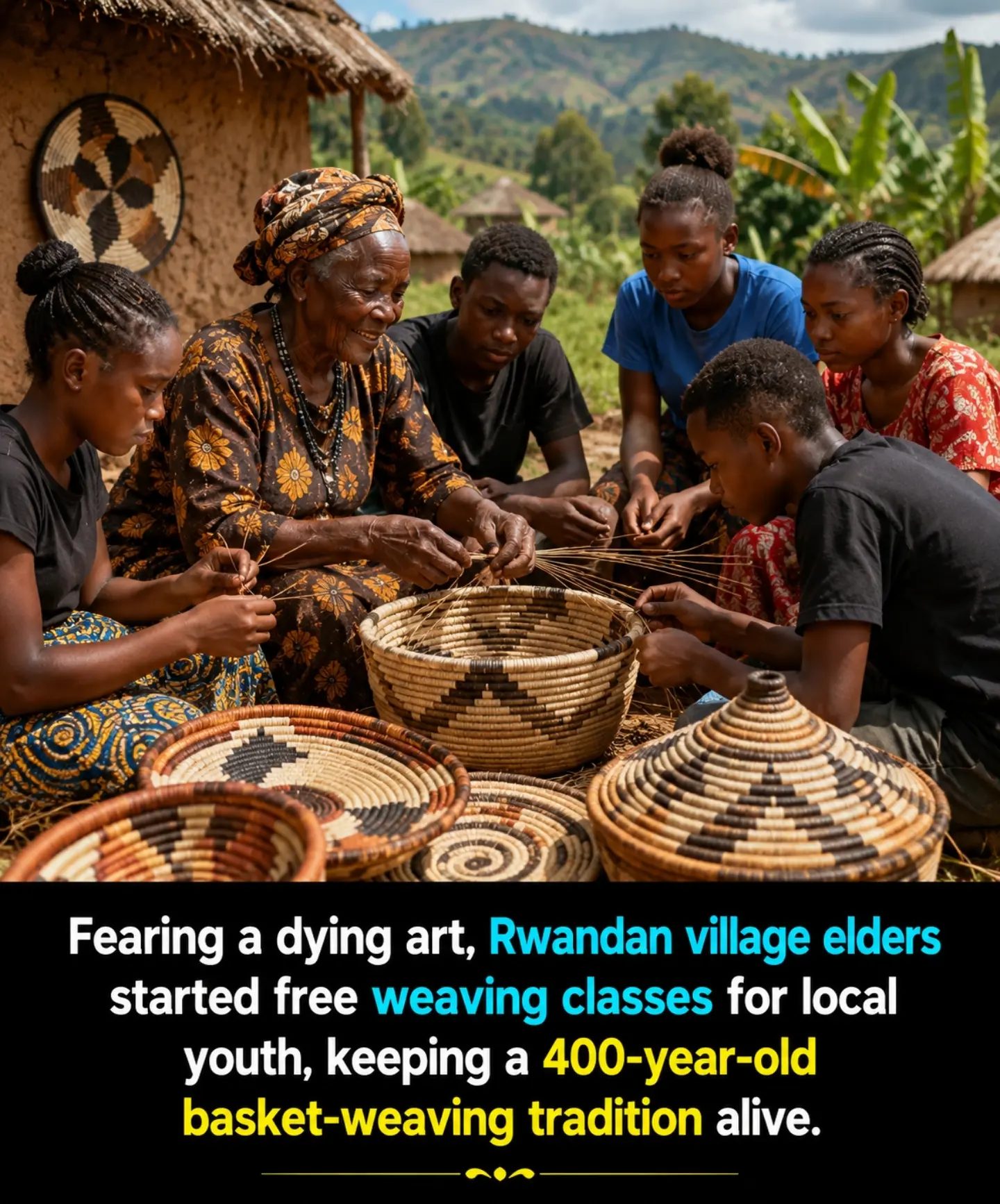
In the heart of Rwanda, a rich cultural tradition is being kept alive through the art of basket weaving. This ancient practice, which dates back over 400 years, is more than just a craft; it is a symbol of Rwandan heritage and community. The intricate process of weaving baskets is not only a means of creation, but also a way to preserve a dying art, ensuring it is passed down to future generations.
Why This Matters
Basket weaving has been a cornerstone of Rwandan culture for centuries. The craft is deeply rooted in the country's history, and the baskets themselves serve a variety of practical and ceremonial purposes. From carrying goods to being essential components in traditional ceremonies, these baskets are woven with stories and traditions. The effort to keep this tradition alive is crucial for maintaining cultural identity and fostering community bonds.
The Art of Basket Weaving
The Materials
Traditional Rwandan baskets are typically made from natural materials readily available in the region, such as sisal, banana leaves, and palm fronds. The natural fibers are carefully selected and prepared, ensuring they are clean and free of impurities. This process is crucial for the longevity and durability of the baskets.
The Techniques
The weaving process involves several intricate steps. The base of the basket is often woven in a spiral pattern, which provides a sturdy foundation. As the sides are woven, the weavers employ various techniques to create different textures and designs. The use of color and patterns is also integral to the baskets' aesthetic and cultural significance. Each pattern and color scheme often carries a specific meaning, reflecting the weaver's heritage and personal story.
The Cultural Significance
Community and Tradition
Basket weaving is more than a craft; it is a communal activity that brings people together. In many Rwandan villages, basket weaving classes are open to all, fostering a sense of unity and shared heritage. The act of weaving is often accompanied by stories and songs, making it a holistic experience that engages both the mind and the heart.
Economic Empowerment
Beyond its cultural significance, basket weaving also provides economic opportunities. Many Rwandan artisans sell their baskets to both local and international markets, generating income for their families and communities. This economic empowerment is essential for the sustainability of the craft and the preservation of the tradition.
Practical Tips for Aspiring Weavers
If you are interested in learning the art of basket weaving, here are some practical tips to get you started:
Find a Mentor
One of the best ways to learn basket weaving is to find an experienced mentor. In Rwandan villages, elders often teach the craft to the younger generation. Similarly, you can seek out workshops or classes in your area where experienced weavers can guide you through the process.
Gather the Right Materials
Ensure you have the right materials before you start. Natural fibers like sisal or banana leaves are commonly used. You can also find kits that include all the necessary materials, making it easier to get started.
Start Simple
Begin with simple patterns and designs to build your skills. As you become more comfortable with the basic techniques, you can move on to more complex patterns and designs.
Practice Regularly
Like any craft, practice is key. Regular practice will help you refine your skills and develop your unique style. Don’t be afraid to make mistakes; they are part of the learning process.
Embrace the Community
Join a weaving community or group. This will not only provide you with support and guidance but also enrich your experience with stories and cultural insights.
Important Takeaways
Preserving traditional basket weaving in Rwanda is more than just a cultural endeavor; it is a means of economic empowerment and community building. By keeping this 400-year-old tradition alive, Rwandan elders are ensuring that future generations can appreciate and benefit from this rich heritage. The intricate process of weaving baskets is a testament to the resilience and creativity of the Rwandan people, and it continues to be a vital part of their cultural identity.
Conclusion
The art of traditional Rwandan basket weaving is a beautiful blend of creativity, cultural heritage, and community. By preserving this ancient craft, Rwandan village elders are ensuring that the traditions and stories woven into each basket continue to be passed down to future generations. Whether you are an aspiring weaver or simply appreciate the beauty of handcrafted items, the world of Rwandan basket weaving offers a rich and rewarding experience.
Watch the Reel
Questions readers ask
Why is basket weaving considered an important part of Rwandan culture?
Basket weaving in Rwanda is a 400-year-old tradition that holds significant cultural importance. It is used in daily life for carrying goods and in traditional ceremonies, making it a vital part of the community's heritage.
How are Rwandan elders contributing to the preservation of their cultural heritage through basket weaving?
Rwandan elders are teaching the youth the traditional techniques of basket weaving, ensuring that this craft is not lost to time. By passing down this knowledge, they help maintain cultural practices and community bonds.
What materials are commonly used in traditional Rwandan basket weaving?
Traditional Rwandan baskets are made using natural materials found in the local environment. These materials are not only sustainable but also give each basket a unique, authentic look that reflects the region’s natural beauty.
How do basket weaving classes in Rwanda benefit the community?
Basket weaving classes in Rwanda bring together different generations, fostering a sense of community and shared purpose. These classes also provide an opportunity for youth to learn valuable skills and connect with their cultural roots while assisting in the preservation of traditional practices.
What are some of the practical uses of Rwandan baskets in daily life and ceremonies?
Rwandan baskets serve a variety of purposes. In daily life, they are used for carrying goods such as food and other items. During ceremonies, these baskets play an essential role, often being used as ceremonial objects that hold significant symbolic meaning.
Recent articles
Fresh deep dives from the latest Reels we unpacked.




Comments
Be the first to comment.