Russian Alcohol Laws
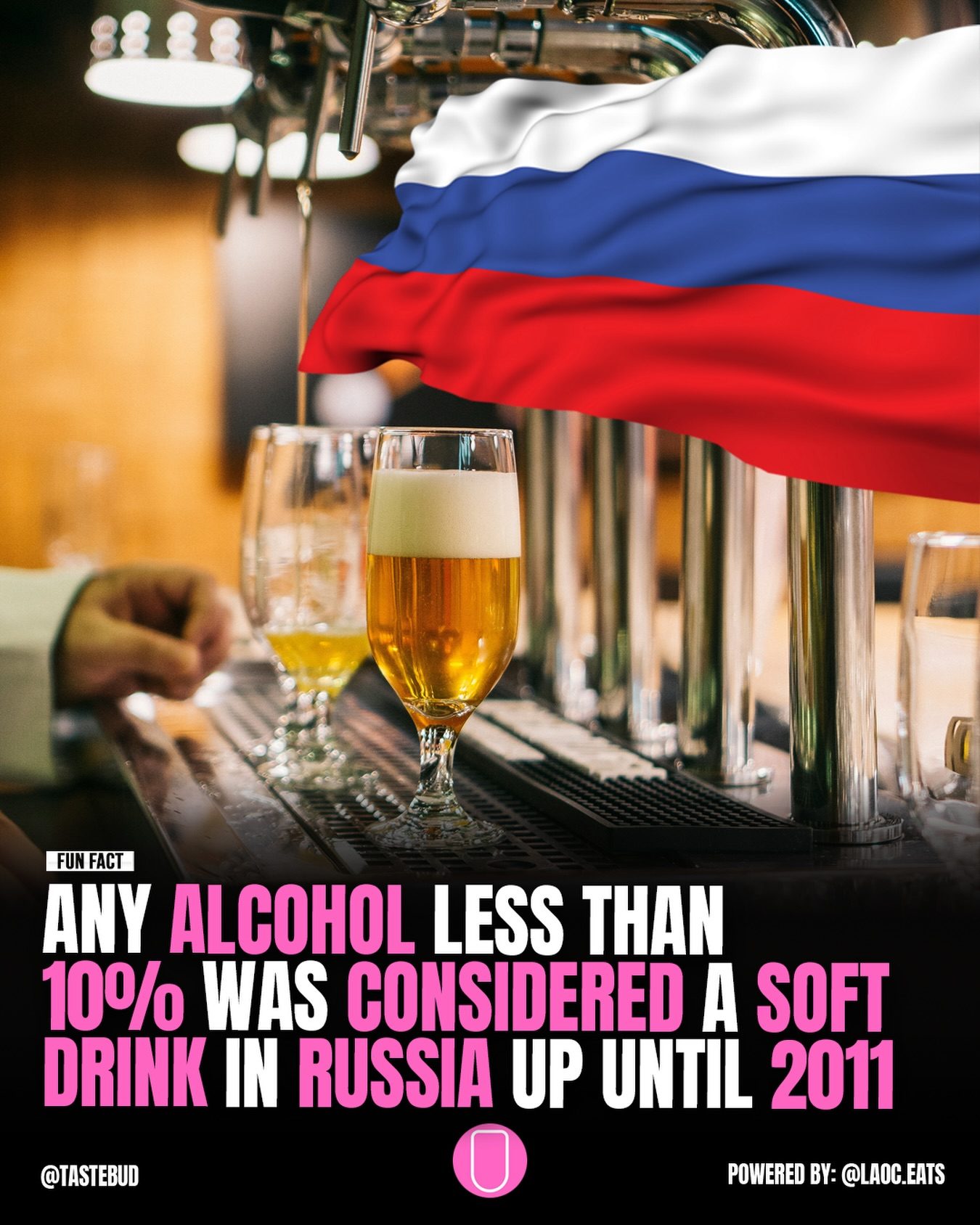
Before 2011, beer in Russia was not classified as an alcoholic beverage if it contained less than 10% alcohol by volume (ABV). This regulatory environment allowed beer to be sold in a variety of public settings with fewer restrictions than other alcoholic beverages. The regulations surrounding beer and other low-alcohol drinks changed in 2011, under President Dmitry Medvedev, introducing stricter controls on sales and advertising. The goal of this shift in regulation was to reduce the overall consumption of alcohol in the country. This new direction aimed to tackle the growing problem of alcohol abuse.
Beer's classification prior to 2011 meant it was legally sold in kiosks and public places, including locations near schools. This lack of stringent regulation allowed for the widespread availability and consumption of beer. The law's change was significant in that it recognized beer as an alcoholic beverage, requiring it to be treated with the same restrictions as other alcoholic drinks. This included stricter advertising and sales regulations. The shift in law also aimed to address the rising alcohol consumption rates in Russia.
Why This Matters
Understanding the historical context of Russian alcohol laws provides valuable insight into the evolution of public health policies and their impact on societal behaviors. The change in legislation reflects a broader effort to mitigate the health and social issues associated with excessive alcohol consumption. This is crucial for understanding how different countries approach public health and societal wellness.
The classification of low-alcohol beverages, such as beer, as soft drinks highlights the complexity of regulatory policies. This policy oversight demonstrates the importance of clear, consistent definitions and regulations for public health and safety. The shift in Russian alcohol laws marks a pivotal moment in the country's public health policy, reflecting a conscious effort to reduce the impact of alcohol on public health.
Main Discussion
The Pre-2011 Regulatory Environment
Before 2011, beer in Russia was not considered an alcoholic beverage if it contained less than 10% ABV. This classification allowed for its widespread availability in various public settings, including kiosks and locations near schools. The lack of stringent regulations meant that beer was easily accessible to the public, contributing to a culture of alcohol consumption.
The regulatory framework at the time allowed for a more lenient approach to the sale and advertising of beer. This leniency was reflected in the lack of strict sales and advertising regulations, making beer a ubiquitous presence in Russian society. This regulatory environment was significant in shaping the public's perception and consumption habits related to beer.
The 2011 Law Change
The law change in 2011, introduced under President Dmitry Medvedev, marked a significant shift in the regulatory landscape for alcoholic beverages in Russia. The new regulations reclassified beer as an alcoholic beverage, subjecting it to the same restrictions as other alcoholic drinks. This change aimed to reduce the overall consumption of alcohol in the country, addressing the growing problem of alcohol abuse.
The new regulations included stricter controls on the sale and advertising of beer. These controls were designed to limit the availability and promotion of beer, particularly in public settings. The shift in regulation was a response to the rising alcohol consumption rates in Russia, addressing the need for stricter controls to mitigate the health and social issues associated with excessive alcohol consumption.
Impact on Beer Consumption
The change in beer classification and the introduction of stricter regulations significantly impacted beer consumption in Russia. The reclassification of beer as an alcoholic beverage led to a reduction in its availability and accessibility, particularly in public settings. This reduction in availability was reflected in a decrease in beer consumption across the country, contributing to a shift in public health policies.
The stricter regulations on the sale and advertising of beer also played a crucial role in reducing its consumption. The reduced availability and promotion of beer in public settings led to a decrease in its consumption, contributing to a broader effort to mitigate the impact of alcohol on public health. This shift in consumption habits reflected the effectiveness of the new regulations in addressing the growing problem of alcohol abuse in Russia.
Practical Tips
For those interested in understanding the impact of regulatory changes on public health, there are several practical tips to consider:
- Stay Informed: Keep up-to-date with changes in alcohol regulations and their impact on public health. Understanding the regulatory environment can provide valuable insights into the broader implications of alcohol consumption.
- Understand the Context: Recognize the historical and cultural contexts that shape public health policies. This understanding can help in analyzing the effectiveness of different regulatory approaches.
- Engage in Dialogue: Participate in discussions about public health policies and their impact on societal behaviors. Engaging in constructive dialogue can contribute to a more informed and effective regulatory environment.
Important Takeaways
The shift in Russian alcohol laws in 2011 highlights the importance of clear, consistent regulations in addressing public health issues. The reclassification of beer as an alcoholic beverage and the introduction of stricter controls on its sale and advertising reflect a commitment to reducing alcohol consumption and its associated health and social issues.
The regulatory changes in Russia demonstrate the effectiveness of targeted public health policies in mitigating the impact of alcohol on society. Understanding the historical context and the broader implications of these regulations can provide valuable insights for addressing public health challenges in other countries.
Conclusion
Russian alcohol laws have evolved significantly over the past decade, reflecting a conscious effort to address the growing problem of alcohol abuse. The reclassification of beer as an alcoholic beverage and the introduction of stricter controls on its sale and advertising have played a crucial role in reducing alcohol consumption and its associated health and social issues. This regulatory shift highlights the importance of clear, consistent policies in addressing public health challenges, providing valuable lessons for other countries grappling with similar issues.
Watch the Reel
Questions readers ask
Why was beer considered a soft drink in Russia before 2011?
Before 2011, Russian law classified beer as a soft drink because beer with less than 10% alcohol by volume (ABV) did not fall under the category of alcoholic beverages. This classification allowed beer to be sold in various public settings with fewer restrictions.
What changes occurred in Russian alcohol laws in 2011?
In 2011, under President Dmitry Medvedev, Russia implemented stricter regulations on beer, reclassifying it as an alcoholic beverage. This shift included tighter controls on sales and advertising, particularly targeting the reduction of alcohol consumption and addressing alcohol abuse issues.
How did the 2011 regulation changes affect where beer could be sold in Russia?
The 2011 regulation changes restricted the sale of beer to fewer public locations. Prior to the changes, beer was often sold in kiosks and other public places, including near schools. The new laws aimed to limit accessibility, especially in proximity to educational institutions.
What was the primary goal of the 2011 changes to Russian alcohol laws?
The primary goal of the 2011 changes was to reduce overall alcohol consumption in Russia. By reclassifying beer as an alcoholic beverage and implementing stricter regulations, the government sought to address the growing problem of alcohol abuse and promote public health.
Did the 2011 changes in Russian alcohol laws affect beer tax laws?
The 2011 changes in Russian alcohol laws did not directly mention beer tax laws. However, the reclassification of beer as an alcoholic beverage likely influenced taxation policies, as alcoholic beverages are typically subject to higher taxes than soft drinks.
What were the alcohol by volume (ABV) restrictions before 2011 in Russia?
Before 2011, beer in Russia was not considered an alcoholic beverage if it contained less than 10% alcohol by volume (ABV). This threshold allowed beer to be sold more freely, as it was classified as a soft drink rather than an alcoholic beverage.
Related deep dives
Similar reads based on topic and creator.




Recent articles
Fresh deep dives from the latest Reels we unpacked.




Comments
Be the first to comment.