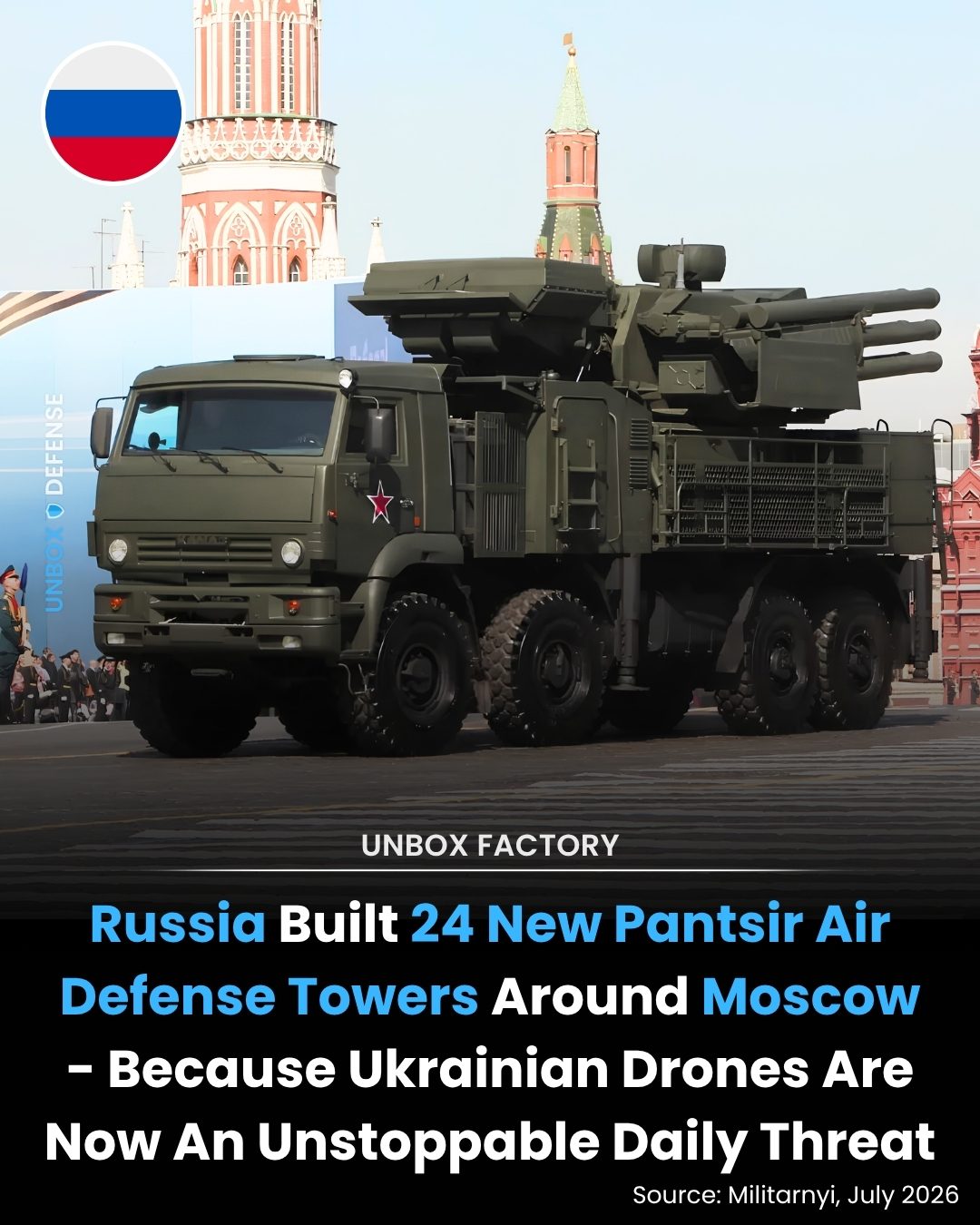
The Pantsir-S1 Air Defense System and Russia's Drone Defense Strategy
The Pantsir-S1 air defense system, recently deployed in elevated towers around Moscow, represents a significant enhancement to Russia's air defense capabilities. This system is designed to combat the growing threat of long-range Ukrainian drone attacks, which have become a defining feature of the ongoing conflict.
Context / Why This Matters
Drone warfare has evolved into a critical component of modern military strategy. Both Russia and Ukraine have integrated thousands of unmanned aerial vehicles (UAVs) into their military operations, forcing cities to bolster their layered air-defense systems. The deployment of the Pantsir-S1 system is a response to this evolving threat, aimed at protecting key locations such as Moscow from drone incursions.
Main Discussion
The Pantsir-S1 Air Defense System
The Pantsir-S1 is a short-range air defense system that combines 12 surface-to-air missiles with two 30 mm automatic cannons. This powerful combination allows the system to engage a variety of targets, including drones, helicopters, cruise missiles, and aircraft. The system's range extends up to 20 kilometers, making it highly effective in defending against low-flying threats.
The elevated deployment of these systems around Moscow enhances their radar coverage and engagement capability. By positioning the Pantsir-S1 towers at higher altitudes, Russia can improve early detection and precise engagement of drones and other aerial threats approaching the capital.
The Threat of Ukrainian Drones
The increasing frequency and sophistication of Ukrainian drone attacks have necessitated this enhanced defense strategy. Ukrainian drones have become a significant threat, prompting Russia to implement more robust air defense measures. The deployment of the Pantsir-S1 towers is a direct response to the perceived daily threat posed by these drones, which have the capability to infiltrate and disrupt critical infrastructure and military installations.
Drone Warfare in Modern Conflicts
Drone warfare has become a common tactic in modern conflicts, allowing for cost-effective and high-precision strikes. Both sides of the conflict in Ukraine have employed drones extensively, conducting thousands of UAV missions every month. This has forced major cities to adopt multi-layered air-defense strategies to counter the evolving threat landscape.
Practical Tips for Enhancing Air Defense
To effectively counter drone threats, military strategists must consider several factors:
- Layered Defense Systems: Implementing a multi-layered air defense strategy involving short, medium, and long-range systems can provide comprehensive coverage against various aerial threats.
- Advanced Radar Technology: Utilizing advanced radar systems that can detect and track low-flying drones is crucial for early threat detection and effective engagement.
- Mobile and Elevated Defenses: Deploying mobile and elevated defense systems like the Pantsir-S1 can enhance radar coverage and engagement capabilities, making it harder for drones to evade detection and interception.
- Integration of Electronic Warfare: Incorporating electronic warfare capabilities can disrupt drone communication and navigation systems, further complicating the enemy's drone operations.
- Regular Upgrades and Maintenance: Ensuring that air defense systems are regularly upgraded and maintained is essential for maintaining operational readiness and effectiveness.
Important Takeaways
The deployment of the Pantsir-S1 air defense system around Moscow highlights the critical role of air defense in modern warfare, particularly in the face of evolving drone threats. The Pantsir-S1's combination of surface-to-air missiles and automatic cannons, along with its elevated deployment, provides a robust defense against a variety of aerial threats.
This enhanced defense strategy underscores the importance of adaptability and innovation in military tactics. As drone warfare continues to evolve, countries must continue to develop and deploy advanced air defense systems to protect their critical infrastructure and military assets.
Conclusion
The Pantsir-S1 air defense system represents a significant step forward in Russia's defense capabilities against drone threats. This system, along with other multi-layered defense strategies, is essential for protecting cities like Moscow from the evolving threat of drone warfare. As military conflicts continue to incorporate drones, countries will need to remain vigilant and innovative in their defense strategies to safeguard against these new and evolving threats.
Watch the Reel
Questions readers ask
What is the Pantsir-S1 air defense system and how does it work?
The Pantsir-S1 is a short-range air defense system that integrates missiles and anti-aircraft cannons to counter a variety of aerial threats. It is designed to provide comprehensive coverage against low-flying targets, such as drones, with both radar tracking and infrared guidance systems.
Why has Russia installed Pantsir-S1 towers specifically around Moscow?
Russia has installed 24 Pantsir-S1 towers around Moscow to protect the capital from long-range drone attacks. These towers enhance the city's radar coverage and engagement capabilities, making it more resilient to aerial threats.
What types of threats is the Pantsir-S1 system designed to combat?
The Pantsir-S1 system is primarily designed to counter the threat of long-range drone attacks, which have become a significant factor in the ongoing conflict. Its combined use of missiles and cannons allows it to engage a variety of aerial targets effectively.
How does the Pantsir-S1 system enhance Moscow's air defense capabilities?
By deploying the Pantsir-S1 system in elevated towers, Russia has significantly improved Moscow's ability to detect and intercept low-flying threats. The system's radar coverage and engagement capabilities work together to provide a robust defense against drone attacks.
What other measures has Russia taken to counter drone threats?
In addition to the Pantsir-S1 towers, Russia has integrated various other measures into its drone countermeasures, such as deploying additional radar systems and utilizing electronic warfare techniques to disrupt drone communications and navigation systems.
What role do drones play in modern military strategy?
Drones have become a critical component in modern military strategy, offering both reconnaissance and attack capabilities. Their ability to operate autonomously and cover extensive areas makes them valuable assets in contemporary conflicts, necessitating robust defense systems like the Pantsir-S1.
Related deep dives
Similar reads based on topic and creator.



Recent articles
Fresh deep dives from the latest Reels we unpacked.




Comments
Be the first to comment.