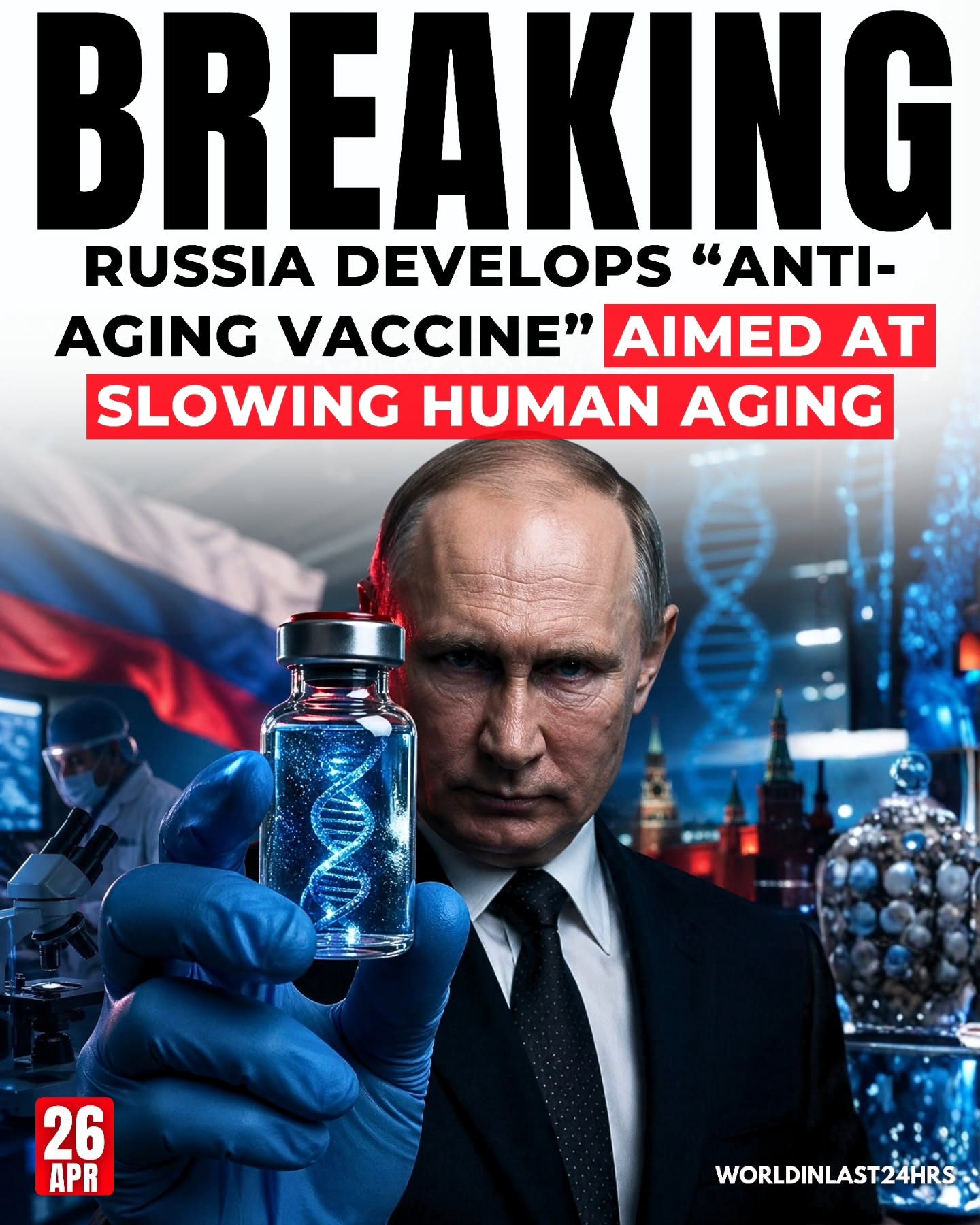
The Quest for an Anti-Aging Vaccine: Russia's Latest Breakthrough
Russia's recent announcement of an "anti-aging vaccine" has sparked global interest. This groundbreaking development is aimed at slowing down the biological aging process, which could potentially revolutionize healthcare and extend human lifespan. The concept revolves around targeting age-related cellular damage and enhancing the body’s natural repair mechanisms.
Why This Matters
Aging is a complex process influenced by various biological factors, including cellular damage, inflammation, and a declining immune response. As people age, these factors contribute to the onset of chronic diseases such as cardiovascular disease, neurodegenerative disorders, and other age-related illnesses. An anti-aging vaccine could delay these conditions, improve quality of life, and reduce healthcare costs associated with aging populations.
Understanding the Science
Genetics and Cellular Aging
The anti-aging vaccine is rooted in the fields of genetics and regenerative medicine. Researchers are investigating how to influence the way cells age, focusing on reducing inflammation, improving immune response, and potentially extending the lifespan of healthy cells. This approach goes beyond treating individual diseases linked to aging and aims to address the underlying mechanisms of the aging process itself.
Targeting Cellular Damage
One of the key targets of this research is age-related cellular damage. As cells age, they accumulate damage that can impair their function and contribute to disease. The vaccine is designed to boost the body’s ability to repair this damage, potentially reversing some of the effects of aging at the cellular level.
Boosting Immune Response
The immune system plays a crucial role in maintaining overall health and combating disease. As people age, their immune response weakens, making them more susceptible to infections and chronic diseases. The anti-aging vaccine aims to enhance immune function, helping the body better defend against age-related illnesses.
Practical Tips
While the anti-aging vaccine is still in the early stages of development, there are several practical steps individuals can take to support their own cellular health and potentially slow the aging process.
Maintain a Balanced Diet
A balanced diet rich in antioxidants, vitamins, and minerals can help reduce inflammation and support cellular repair. Foods high in antioxidants, such as berries, leafy greens, and nuts, are particularly beneficial.
Regular Exercise
Regular physical activity is essential for maintaining overall health and can help reduce the risk of age-related diseases. Aim for a mix of aerobic exercise, strength training, and flexibility exercises to support your body’s natural repair mechanisms.
Get Adequate Sleep
Quality sleep is crucial for cellular repair and regeneration. A lack of sleep can impair immune function and increase inflammation. Prioritize getting 7-9 hours of sleep per night to support your body’s healing processes.
Stay Hydrated
Proper hydration is essential for maintaining cellular function. Drink plenty of water throughout the day to support your body’s natural repair mechanisms and keep your cells functioning optimally.
Important Takeaways
The development of an anti-aging vaccine represents a significant advancement in the field of regenerative medicine. By targeting the underlying mechanisms of aging, this vaccine has the potential to delay the onset of chronic diseases and improve overall health and longevity. While the research is still in its early stages, the promise of this breakthrough is immense.
Conclusion
Russia's announcement of an anti-aging vaccine marks a pivotal moment in the quest to slow the biological aging process. By focusing on cellular repair, immune function, and inflammation, this vaccine could revolutionize healthcare and improve the quality of life for millions of people. As research continues, the potential benefits of this groundbreaking development become increasingly apparent, offering hope for a future where aging is no longer synonymous with decline.
Watch the Reel
Questions readers ask
What is the main goal of Russia's anti-aging vaccine?
The primary objective of Russia's anti-aging vaccine is to slow down the biological aging process. By targeting age-related cellular damage and improving the body's repair mechanisms, the vaccine aims to combat various age-related diseases and enhance overall health.
How does the anti-aging vaccine work to extend human lifespan?
The vaccine works by enhancing the body's natural repair abilities and addressing cellular damage. This process helps mitigate the onset of chronic diseases associated with aging, potentially extending human lifespan by maintaining better health for a longer period.
What are the key benefits of Russia's anti-aging vaccine?
Russia's anti-aging vaccine offers several potential benefits, including the slowing of biological aging, the reduction of age-related diseases, and the improvement of overall health. This could lead to a decrease in healthcare costs and an improvement in the quality of life for individuals.
What makes the anti-aging vaccine different from other anti-aging treatments?
Unlike other treatments that may focus on specific symptoms or diseases, the anti-aging vaccine takes a more holistic approach by targeting the underlying cellular damage that contributes to aging. This could make it more effective in slowing the aging process and improving overall health across multiple systems.
What are the potential implications of this research for global healthcare?
The development of an anti-aging vaccine could have significant implications for global healthcare. By slowing aging and reducing the prevalence of age-related diseases, the vaccine could alleviate the burden on healthcare systems. This would allow healthcare providers to focus on other critical health issues.
How will extending human lifespan affect society?
Extending human lifespan could have profound effects on society, including changes in workforce demographics, increased demand for long-term care, and potential economic shifts. It could also lead to advancements in other fields of medicine and further research into the aging process, including how to improve the quality of life for aging populations.
What are the next steps in the development and implementation of the anti-aging vaccine?
The next steps in the development of the anti-aging vaccine will likely involve extensive clinical trials to test its safety and efficacy. If successful, the vaccine could potentially be approved for widespread use, following regulatory approvals and further research into its long-term effects. This could also lead to further research into other anti-aging treatments as well.
Related deep dives
Similar reads based on topic and creator.



Recent articles
Fresh deep dives from the latest Reels we unpacked.




Comments
Be the first to comment.