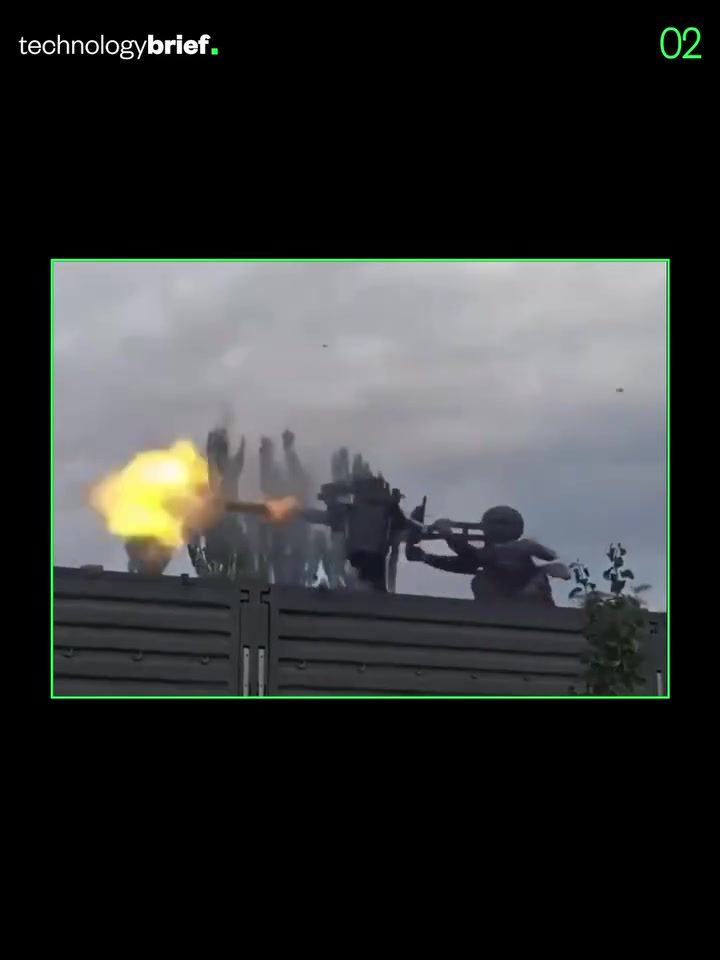
Machine guns, especially heavy ones, feature immense recoil, and controlling these forces requires specialized equipment. It is common to have controlled environments for firing equipment that is too powerful for one person to handle. An example of this is the YakB-12.7 machine gun, built for attack helicopters. Ground firings are more dangerous and can go wrong rather quickly.
When firing from a helicopter, the gun is securely mounted and the recoil is managed by the helicopter's structure and occasionally with a recoil system. When firing from the ground, the recoil becomes a much more significant challenge. This is what happened in a recent viral video.
A viral video shows a Russian soldier using the YakB-12.7 machine gun during a live-fire exercise. The recoil from the gun was so powerful that it spun the gun out of control, knocking the soldier away from the mount. The gun continued to fire wildly across the range, making the entire exercise go sideways in seconds. This incident highlights the critical need for proper mounting and stabilization when handling powerful weapons.
The YakB-12.7 machine gun was designed to be used from attack helicopters, not for one person to handle from a lightly secured ground setup. This is a critical point that many may overlook. The recoil from such a powerful weapon can be devastating if not properly managed. The video serves as a stark reminder of the importance of proper safety measures and equipment when handling high-powered firearms.
Context / Why This Matters
The handling and firing of heavy machine guns, particularly those designed for aerial use, require specialized knowledge and equipment. This video underscores the dangers associated with improper handling and the potential consequences. The YakB-12.7 machine gun, designed for attack helicopters, exemplifies this risk. Understanding the specific challenges and necessary precautions can prevent such accidents and ensure safety during military operations and training exercises.
Key Considerations for Handling Heavy Machine Guns
Recoil Management
The YakB-12.7 machine gun, and similar heavy machine guns, generate significant recoil. Recoil management is crucial to prevent the gun from spinning out of control and causing harm. Proper mounting and stabilization systems are essential to manage the recoil effectively. For ground use, recoil-reducing devices can also significantly improve control.
Appropriate Mounting Systems
Using the correct mounting system is critical for safely firing heavy machine guns. For helicopter-mounted guns, the helicopter's structure and sometimes additional recoil systems help manage the recoil. For ground use, heavy-duty tripods or other stabilized mounting systems are necessary to handle the weapon's recoil and ensure safety and accuracy.
Training and Experience
Handing heavy machine guns requires extensive training and experience. Handling these weapons improperly can lead to severe accidents, as seen in the viral video. Proper training ensures that soldiers understand the weapon's capabilities, potential dangers, and the necessary safety measures.
Environmental Factors
Environmental conditions can also affect the handling and firing of heavy machine guns. Factors such as wind, terrain, and weather can impact the weapon's performance and the soldier's ability to control it. Training should include various environmental scenarios to prepare soldiers for real-world conditions.
Practical Tips for Safe Handling
Always Use the Appropriate Mounting System
Ensure that the mounting system is sturdy and designed to handle the recoil of the specific machine gun being used. For ground use, invest in heavy-duty tripods or other stabilized mounting systems.
Conduct Regular Maintenance
Regular maintenance of the machine gun and mounting system is essential to ensure optimal performance and safety. Check for any wear and tear, and replace parts as needed.
Follow Safety Protocols
Always follow safety protocols when handling and firing heavy machine guns. This includes ensuring that all personnel are clear of the firing line, wearing appropriate protective gear, and having a clear understanding of the weapon's capabilities and potential dangers.
Train in Various Scenarios
Training should include various scenarios to prepare soldiers for real-world conditions. This includes handling the weapon in different environments, under various weather conditions, and with different mounting systems.
Understand the Weapon's Capabilities
Before handling a heavy machine gun, ensure that you understand its capabilities and potential dangers. This includes knowing the recoil force, rate of fire, and the best methods for managing the weapon in different scenarios.
Important Takeaways
Preventing accidents while handling heavy machine guns requires a comprehensive approach that includes appropriate mounting systems, extensive training, and regular maintenance. The viral video serves as a stark reminder of the importance of these measures and the potential consequences of improper handling.
Proper Mounting Systems
Using the correct mounting system is critical for safely firing heavy machine guns. For ground use, heavy-duty tripods or other stabilized mounting systems are necessary to handle the weapon's recoil and ensure safety and accuracy.
Extensive Training and Experience
Handling heavy machine guns requires extensive training and experience. Proper training ensures that soldiers understand the weapon's capabilities, potential dangers, and the necessary safety measures.
Environmental Factors
Environmental conditions can also affect the handling and firing of heavy machine guns. Factors such as wind, terrain, and weather can impact the weapon's performance and the soldier's ability to control it.
Follow Safety Protocols
Always follow safety protocols when handling and firing heavy machine guns. This includes ensuring that all personnel are clear of the firing line, wearing appropriate protective gear, and having a clear understanding of the weapon's capabilities and potential dangers.
Conclusion
The viral video of the Russian soldier firing the YakB-12.7 machine gun highlights the critical importance of proper handling and safety measures when dealing with heavy machine guns. Understanding the specific challenges and necessary precautions can prevent such accidents and ensure safety during military operations and training exercises. By following the practical tips outlined, soldiers and military personnel can handle these powerful weapons safely and effectively.
Watch the Reel
Questions readers ask
What makes the YakB-12.7 machine gun challenging to use on the ground?
The YakB-12.7 machine gun is designed for helicopter use and has significant recoil. When fired from the ground, this recoil is much harder to manage without the stabilizing support of a helicopter's structure, making it difficult for soldiers to control.
Why did the Russian soldier struggle with the YakB-12.7 machine gun in the viral video?
The soldier struggled due to the immense recoil of the YakB-12.7 machine gun. This recoil is typically managed by the helicopter's structure and sometimes a recoil system, but these supports were not available during the ground firing exercise.
What specialized equipment is typically used with heavy machine guns like the YakB-12.7?
Heavy machine guns like the YakB-12.7 often require specialized mounts and recoil management systems to control their immense recoil. When used in helicopters, the gun is securely mounted, and the helicopter's structure helps absorb the recoil.
Can the YakB-12.7 machine gun be safely fired from the ground?
Firing the YakB-12.7 from the ground is possible but poses significant risks due to its immense recoil. It is crucial to have proper mounting equipment and safety measures in place to manage the recoil effectively.
What safety measures should be taken when handling the YakB-12.7 machine gun during live-fire exercises?
When handling the YakB-12.7 during live-fire exercises, especially on the ground, soldiers should ensure the gun is properly mounted and secured. Additionally, they should be trained in managing the recoil and familiar with the gun's operation to minimize risks.
Recent articles
Fresh deep dives from the latest Reels we unpacked.




Comments
Be the first to comment.