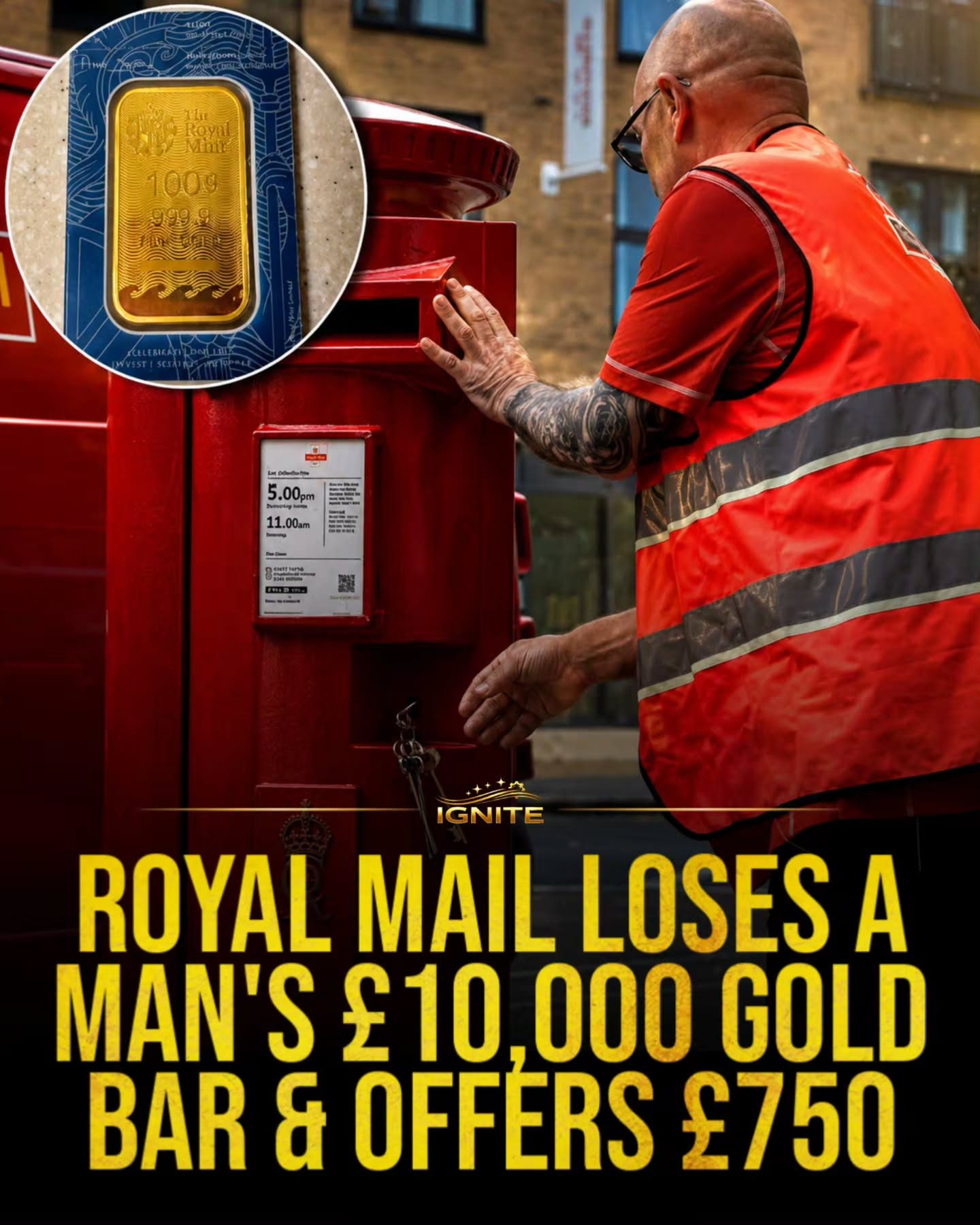
Understanding the Royal Mail Gold Bar Loss and Compensation
The recent incident involving Royal Mail losing a man's £10,000 gold bar has sparked significant attention. This case highlights the importance of understanding the compensation process and the broader implications for postal services and high-value shipments.
Why This Matters
When sending high-value items, the expectation is that they will arrive safely and securely. Incidents like the Royal Mail gold bar loss raise questions about the reliability and security of postal services. While such events are rare, they underscore the need for robust security measures and clear compensation policies.
Moreover, understanding how compensation is determined can be crucial for individuals and businesses relying on postal services for valuable shipments. This case provides insights into how claims are handled and the financial repercussions for the service provider.
Main Discussion
The Incident
The incident involves Royal Mail losing a £10,000 gold bar. This high-value item was entrusted to the postal service, but somewhere along the journey, it went missing. The circumstances surrounding the loss are not detailed, but the repercussions are significant. The fact that the gold bar was not accompanied by a Royal Mail Tracked 24 SMS service and instead only sent via a Royal Mail Tracked 48 SMS service suggests potential gaps in the tracking and security measures for high-value items.
Compensation Offered
In response to the loss, Royal Mail has offered £750 in compensation. This amount is significantly less than the value of the gold bar, raising questions about the adequacy of the compensation and the criteria used to determine it. Compensation policies typically consider factors such as the value of the item, the circumstances of the loss, and the culpability of the service provider.
Security Measures
For high-value shipments, additional security measures are often recommended. These can include:
- Insurance Coverage: Ensuring that the item is fully insured against loss or damage.
- Tracked Services: Using high-assurance delivery methods like Tracked 24 SMS services.
- Signature Confirmation: Requiring a signature upon delivery to confirm receipt.
- Secure Packaging: Using tamper-evident packaging to detect any unauthorized access.
Legal and Regulatory Context
Postal services are governed by regulations that aim to ensure the safe and secure delivery of items. These regulations often include provisions for compensation in cases of loss or damage. In the UK, Royal Mail operates under the Postal Services Act 2011, which outlines the standards of service and the compensation process. Understanding these regulations can help individuals and businesses navigate the compensation process more effectively.
Consumer Protection
In addition to regulatory frameworks, various consumer protection mechanisms are in place. These can include:
- Alternative Dispute Resolution (ADR): Providing a means for consumers to resolve disputes without going to court.
- Ombudsman Services: Offering independent dispute resolution services for consumers.
- Consumer Rights: Ensuring that consumers are aware of their rights and the recourse available to them.
Practical Tips
When sending high-value items, consider the following steps to enhance security and ensure proper compensation:
- Choose the Right Service: Opt for high-assurance delivery services that offer comprehensive tracking and signature confirmation.
- Insure High-Value Items: Always insure high-value items to cover potential losses. Insure for the full value, as postage services may not offer full compensation.
- Confirm Delivery: Require a signature upon delivery to ensure that the item is delivered to the intended recipient.
- Document everything: Keep detailed records of the transaction, including the tracking information and any communication with the postal service.
Important Takeaways
- Security Measures: High-value items require additional security measures, such as comprehensive insurance, high-assurance delivery services, and secure packaging.
- Compensation Policies: Understanding the compensation policies and criteria can help manage expectations and navigate the claims process.
- Consumer Protection: Familiarity with consumer protection mechanisms and rights can provide additional recourse in cases of loss or damage.
Conclusion
The Royal Mail gold bar loss incident underscores the importance of robust security measures and clear compensation policies. While such incidents are rare, they highlight the need for vigilance and preparedness when sending high-value items. By understanding the compensation process, available security measures, and consumer protection mechanisms, individuals and businesses can better safeguard their valuable shipments and navigate potential issues more effectively.
Watch the Reel
Questions readers ask
What happened in the Royal Mail gold bar loss incident?
A man sent a £10,000 gold bar via Royal Mail, but it went missing during transit. Despite the high value of the item, Royal Mail only reimbursed the sender £750, causing significant concern and debate about their handling of high-value items.
How does Royal Mail determine compensation for lost items?
Royal Mail typically determines compensation based on its standard coverage, which may not adequately reflect the true value of high-value items like gold bars. For the gold bar, they only offered £750, which is a fraction of the item's actual worth.
What are the risks when sending valuable items through postal services?
Sending valuable items through postal services carries risks, including loss, theft, and inadequate compensation. For valuable items, it is important to explore additional insurance or shipping options. Companies should be clear with customers about the potential shortcomings of their services.
What can be done to enhance the security of high-value shipments?
To enhance the security of high-value shipments, postal services should implement robust tracking measures, such as real-time monitoring and secure handling procedures. Additionally, having clear and comprehensive compensation policies can help mitigate the financial impact of lost items.
What steps should I take if I need to send a high-value item via post?
If you need to send a high-value item, consider using a specialized service designed for high-value shipments. Additionally, thoroughly check the postal service's compensation policies and consider purchasing extra insurance to cover the full value of the item.
How can I track a high-value item sent via Royal Mail?
Royal Mail offers tracking services for certain items. When sending a high-value item, opt for a tracked service and keep a record of the tracking number and the shipment's progress. This information can be crucial if the item is lost or delayed.
What should I do if my high-value item is lost in the mail?
If a high-value item is lost in the mail, contact the postal service immediately to report the loss. Provide all relevant details, including the tracking number and any documentation related to the shipment. Request information on their compensation process and consider seeking advice from consumer protection agencies.
Related deep dives
Similar reads based on topic and creator.



Recent articles
Fresh deep dives from the latest Reels we unpacked.




Comments
Be the first to comment.