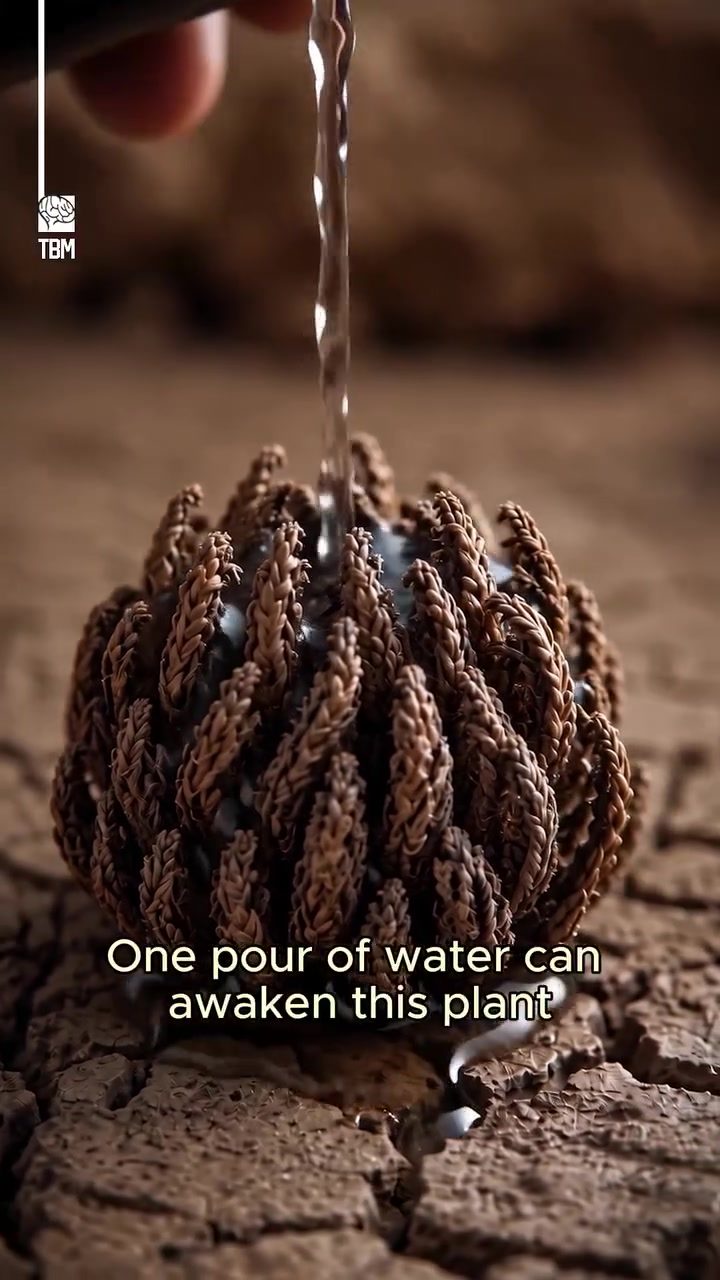
Plant Hydration Demonstration
The Rose of Jericho is a remarkable plant known for its ability to survive extreme drought conditions. This resurrection plant can remain dormant for decades without water and then rapidly come back to life when hydrated. Understanding its survival strategy offers unique insights into plant biology and the mechanisms that allow some organisms to endure harsh environments.
Context: The Rose of Jericho and Desert Adaptations
The Rose of Jericho, also known as the resurrection plant, is a desert-adapted species that has evolved a fascinating strategy to cope with arid conditions. This plant, often resembling a dried-up ball or pinecone, can endure prolonged periods of drought by entering a state of desiccation tolerance.
Desiccation tolerance is a critical adaptation that allows the Rose of Jericho to survive extreme dryness without suffering cell damage. During this state, the plant loses almost all of its water, curls its leaves inward, and significantly slows its metabolism. Special proteins and sugars within the plant's cells protect them from damage until moisture returns.
The Role of Special Proteins and Sugars
During the dormant phase, the Rose of Jericho's cells are protected by unique biochemical mechanisms. Special proteins and sugars shield the plant’s cellular structures from damage caused by dehydration. These protective agents preserve the integrity of the cells, allowing the plant to remain viable even after extended periods without water.
The Revitalization Process
When water is reintroduced, the plant rapidly absorbs it through its roots and leaves. The absorbed water triggers a series of reactions that repair the plant's cells. Over time, the plant unfurls and returns to its green, active form, demonstrating an almost miraculous revival that has captivated scientists and plant enthusiasts alike.
How Water Revives the Plant
The revitalization process of the Rose of Jericho is particularly intriguing. Water acts as a catalyst, initiating a sequence of cellular repairs. The plant’s roots and leaves efficiently absorb the water, which then aids in restoring the plant’s metabolism and cellular functions. This revival is swift, highlighting the plant’s remarkable adaptive capabilities.
Cellular Repair Mechanisms
Cellular repair mechanisms are crucial for the resurrection plant’s survival. Once exposed to water, the plant's cells undergo a series of repairs, facilitated by the protective proteins and sugars that were activated during the desiccation state. These protective agents help in quickly restoring the plant’s cellular structures, allowing it to return to its normal, thriving state.
The Importance of Water for Plant Survival
The demonstration of the resurrection plant’s revival highlights the critical role of water in plant survival. Without sufficient water, plants can enter a state of dormancy, but with the right conditions, they can be revived. This unique adaptation showcases the resilience of plants and their ability to withstand harsh environmental conditions.
Practical Tips for Plant Care
While the Rose of Jericho is an extraordinary example, the principles of proper hydration can be applied to everyday plant care. Here are some practical tips for maintaining plant health through adequate hydration:
Understanding Plant Water Needs
Different plants have varying water requirements. It’s essential to understand the specific needs of your plants. For instance, succulents and cacti require less water compared to tropical plants. Researching the water needs of your plants can help ensure they thrive.
Proper Watering Techniques
Use the appropriate watering techniques for your plants. Overwatering can be as harmful as underwatering. Allow the top inch or two of the soil to dry out before watering again. This approach helps prevent root rot and ensures that the plant receives the right amount of water.
Observing Plant Signals
Pay attention to your plants’ signals. Wilting, yellowing leaves, and dry soil are common signs that a plant needs water. However, some plants, like the Rose of Jericho, may enter a dormant state, so understanding your plant's behavior is crucial.
Importance of Plant Survival
The survival strategies of plants like the Rose of Jericho offer valuable insights into how organisms adapt to extreme conditions. By understanding these mechanisms, researchers can develop better conservation strategies and possibly apply similar principles to other fields, such as agriculture and biotechnology.
Important Takeaways
The Rose of Jericho serves as a remarkable example of how plants can endure extreme drought conditions through desiccation tolerance. Special proteins and sugars play a crucial role in protecting the plant’s cells, allowing it to remain viable until moisture returns. The plant’s revival process highlights the importance of water in plant survival and offers practical tips for maintaining plant health through proper hydration techniques.
Understanding the resilience of plants can inspire better practices in agriculture, conservation, and environmental sustainability. By learning from nature’s adaptations, we can develop strategies to protect and conserve plant life in various ecological settings.
Conclusion
The Rose of Jericho's ability to survive extreme drought conditions and rapidly revive upon hydration offers a fascinating glimpse into the world of plant biology. This plant's unique adaptations demonstrate the remarkable resilience of nature and the importance of water in plant survival. By studying these mechanisms, we can gain valuable insights that contribute to better plant care, conservation, and sustainable practices. This knowledge can help us protect and preserve plant life, ensuring that future generations can benefit from the beauty and functionality of these remarkable organisms.
Watch the Reel
Questions readers ask
What is the Rose of Jericho and why is it notable?
The Rose of Jericho is a desert plant known for its extraordinary ability to survive extreme droughts. It is notable for its capability to enter a dormant state and revive rapidly when water is available, making it a subject of interest for those studying plant biology and survival strategies.
How does the Rose of Jericho survive extreme droughts?
The Rose of Jericho survives extreme droughts by entering a state of desiccation tolerance. It produces special proteins and sugars that protect its cells from damage during prolonged periods without water. This adaptation allows the plant to remain dormant for extended periods and rapidly revive when hydrated.
What is desiccation tolerance and how does it apply to the Rose of Jericho?
Desiccation tolerance is the ability of an organism to survive extreme dryness by entering a dormant state. For the Rose of Jericho, this means it can withstand prolonged periods without water and revive when conditions improve, making it a key survival strategy in arid environments.
How can I revive a dried Rose of Jericho plant?
To revive a dried Rose of Jericho, simply soak it in water. The plant will gradually absorb the water and begin to unfurl, showing signs of life within a few hours. Ensure the plant is fully submerged and give it time to hydrate completely.
Can the Rose of Jericho remain dormant for long periods?
Yes, the Rose of Jericho can remain dormant for decades without water. This remarkable ability is due to its desiccation tolerance, which allows it to protect its cells and survive until favorable conditions return.
What are the unique insights offered by studying the Rose of Jericho?
Studying the Rose of Jericho provides unique insights into plant biology and survival mechanisms. It reveals how some organisms can endure harsh, arid environments and offers a model for understanding drought resistance and revival processes in other plants.
Related deep dives
Similar reads based on topic and creator.



Recent articles
Fresh deep dives from the latest Reels we unpacked.




Comments
Be the first to comment.