The Resilient Life of Extreme Environments
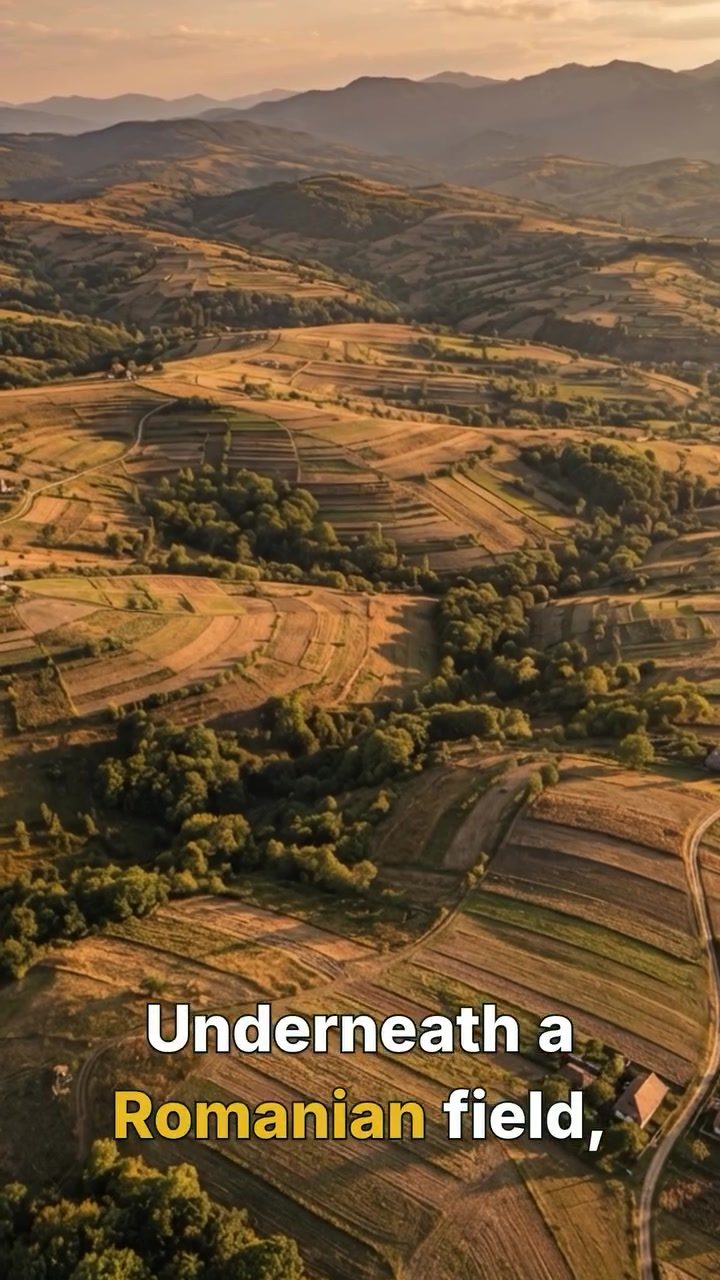
There cannot be life without a sustainable ecosystem. Hydrogen sulfide is a toxic gas. Most animals, plants, and other life forms require oxygen. Yet, deep within a Romanian cave, sealed off from the world for five point five million years, life manages to exist. This is owed to chemosynthesis, which relies on chemicals, rather than sunlight. This nitrogen-porous, oxygen-lacking cave may be the key to understanding similar environments in the universe. Many of these species lack eyes.There are no less than dozens of translucent leeches in the caves. Although the Romans mentioned leeches under their fields, these species are unique to the cave as they survive on chemosynthesis, which is also found in deep sea vents. Animals here are adapted to harsh conditions. Their lives serve as a model for astrobiologists investigating potential life on other planets. This is not the only source for chemosynthesis, however.
Species Unseen Above Ground
Although plants or other species above ground rely on photosynthesis to convert the sun’s energy into food, chemosynthesis serves the inhabitants of this Romanian cave by converting chemical energy, such as hydrogen sulfide and methane, into energy. Many organisms survive on hydrogen sulfide, methane, and other chemicals in the cave along with oxygen. Many organisms survive in these ecosystems as chemosynthesis is an effective way to convert energy in low oxygen environments. The fauna of these caves includes species rarely seen elsewhere. These caves have dozens of species that require an eye to see. The spiders, for example, are eyeless and translucent.
The cave as model for life in the cosmos
The organisms' adaptation to these environments has drawn significant attention as a model for studying potential extraterrestrial life. Scientists study the conditions in these environments to understand life on other planets. Although the conditions in these environments are harsh, the organisms' adaptation is a testament to life's ability to adapt and thrive in extreme conditions. The Romanian caves are a fascinating example of how life can adapt to harsh conditions. Though they are different from us, the adaptation of organisms to these environments provides a model for studying life in extreme conditions.
Watch the Reel
Related deep dives
Similar reads based on topic and creator.




Recent articles
Fresh deep dives from the latest Reels we unpacked.




Comments
Be the first to comment.