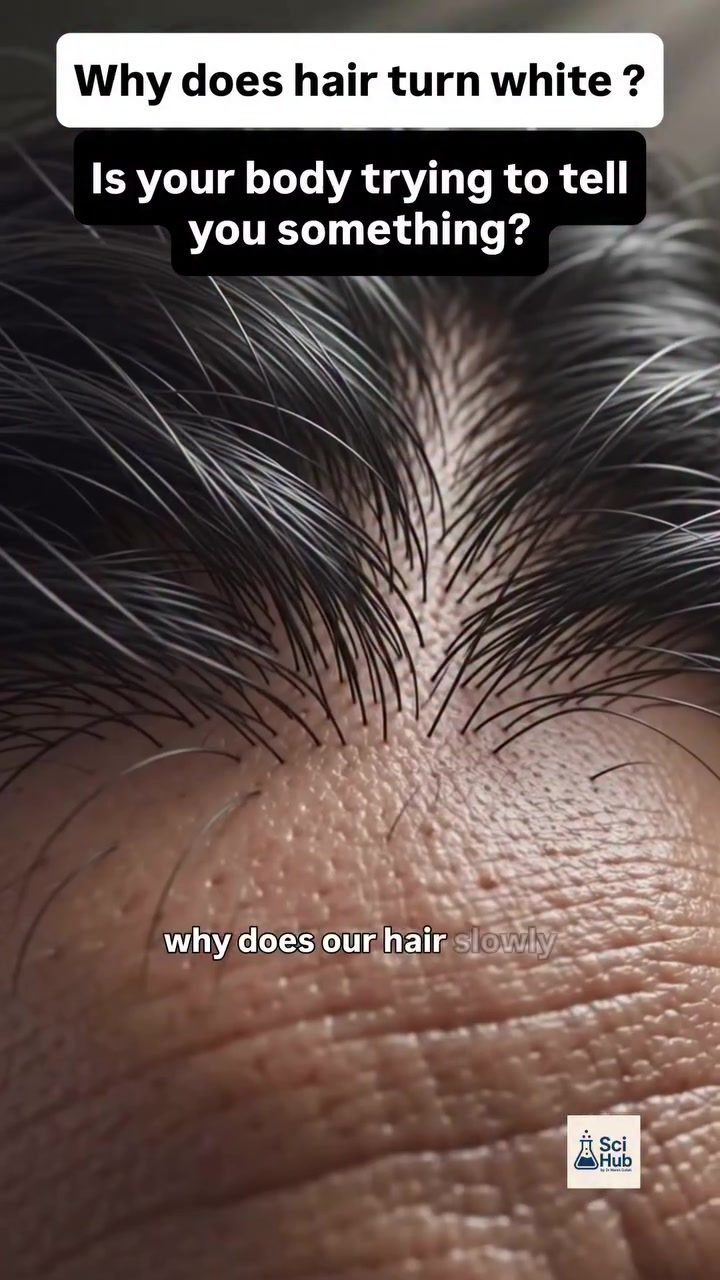
Why Hair Turns White
Hair turning white is a natural process that most people experience as they age, and it starts with the tiny pigment-producing cells inside the hair follicle.
Why This Matters
Understanding why hair turns white can help dispel myths and misconceptions about this natural process. It's important to recognize that while healthy habits can support overall hair health, they may not always prevent the natural loss of hair pigment. White hair is largely influenced by genetics and is a common sign of aging.
The Science Behind Hair Color
How Hair Gets Its Natural Color
The color of our hair is determined by a pigment called melanin, which is produced by specialized cells known as melanocytes. These cells are found within the hair follicles, the structures beneath the skin that produce hair. Melanin comes in two main types:
- Eumelanin: Responsible for brown and black hair colors.
- Pheomelanin: Responsible for red and blond hair colors.
The amount and type of melanin produced by the melanocytes determine the natural color of our hair.
What Happens Inside the Hair Follicle as We Age
As we age, the pigment-producing cells in the hair follicle gradually become less active. This reduced activity leads to a decrease in melanin production. As a result, each new hair strand grows with less pigment than the one before it. Over time, the hair strands become lighter and eventually appear white or gray.
Why New Hair Grows with Less Pigment
The gradual decrease in melanin production is a natural part of the aging process. As the melanocytes become less active, they produce less pigment, causing new hair to grow with reduced color. This process continues until the hair appears completely white.
Factors Influencing Hair Color Change
Genetic Influence
Genetics play a significant role in determining when and how quickly hair turns white. Some people may start to see white hair in their early 20s, while others may not notice it until their 40s or 50s. The timing and extent of hair whitening are largely influenced by genetic factors.
Environmental and Lifestyle Factors
While genetics are the primary factor, environmental and lifestyle factors can also impact hair health. Factors such as stress, diet, and exposure to certain chemicals can influence the overall health and appearance of the hair.
Practical Tips for Maintaining Hair Health
While it's important to note that healthy habits can't halt the natural process of hair turning white, maintaining overall hair health can make a difference. Here are some practical tips:
- Balanced Diet: Consume a balanced diet rich in vitamins and minerals, especially those that support hair health, such as biotin, vitamin E, and omega-3 fatty acids.
- Hydration: Stay hydrated by drinking plenty of water, as hydration is essential for healthy hair growth.
- Gentle Hair Care: Avoid using harsh chemicals and heat styling tools that can damage the hair. Opt for gentle hair care products and regular trims to maintain hair health.
- Stress Management: Manage stress through techniques like meditation, yoga, or other relaxation methods, as stress can affect overall hair health.
Important Takeaways
- Hair turns white due to a gradual decrease in melanin production by the pigment-producing cells in the hair follicle.
- This process is a natural part of aging and is largely influenced by genetics.
- Healthy habits can support overall hair health but may not prevent the natural loss of hair pigment.
- Genetics play a significant role in determining when and how quickly hair turns white.
- Environmental and lifestyle factors can also impact hair health, but genetics are the primary factor.
Conclusion
Understanding why hair turns white can help us appreciate the natural aging process and take better care of our hair. While we can't stop the natural progression of hair whitening, maintaining a healthy lifestyle and good hair care practices can support overall hair health. Embrace the natural changes that come with aging and focus on keeping your hair healthy and strong.
Watch the Reel
Questions readers ask
What causes hair to lose its natural color as we age?
Hair loses its natural color due to a decrease in melanin production. This process occurs as the melanocyte cells in the hair follicles become less active over time, leading to the appearance of white or gray hair.
Can maintaining healthy habits prevent hair from turning white?
While maintaining healthy habits can support overall hair health, they may not stop the natural loss of hair pigment. This is because the process of hair turning white is primarily influenced by genetics and aging, not by external factors.
What is the role of melanin in determining hair color?
Melanin is the primary pigment responsible for hair color. It is produced by cells called melanocytes, which are found within the hair follicles. The type and amount of melanin determine the specific hair color of an individual.
At what stage of life does hair typically start to turn white?
The onset of white hair varies greatly among individuals, primarily influenced by genetics. Some people may notice white hair in their 20s, while others may not see significant changes until their 50s or later.
What are the primary factors that influence the hair aging process?
The primary factors influencing the hair aging process are genetics and the natural aging process of the body. These factors lead to a gradual decrease in melanin production, resulting in the appearance of white or gray hair.
Is the process of hair turning white reversible?
The process of hair turning white is generally irreversible, as it is a natural part of aging. However, there are temporary treatments like hair dyes and coloring products, that can cover white or gray hair and restore the appearance of natural hair color.
How does the health of melanin-producing cells affect hair color?
The health of melanin-producing cells, or melanocytes, directly affects hair color. As these cells become less active over time, they produce less melanin, leading to a gradual loss of pigment and the eventual appearance of white or gray hair.
Related deep dives
Similar reads based on topic and creator.



Recent articles
Fresh deep dives from the latest Reels we unpacked.




Comments
Be the first to comment.