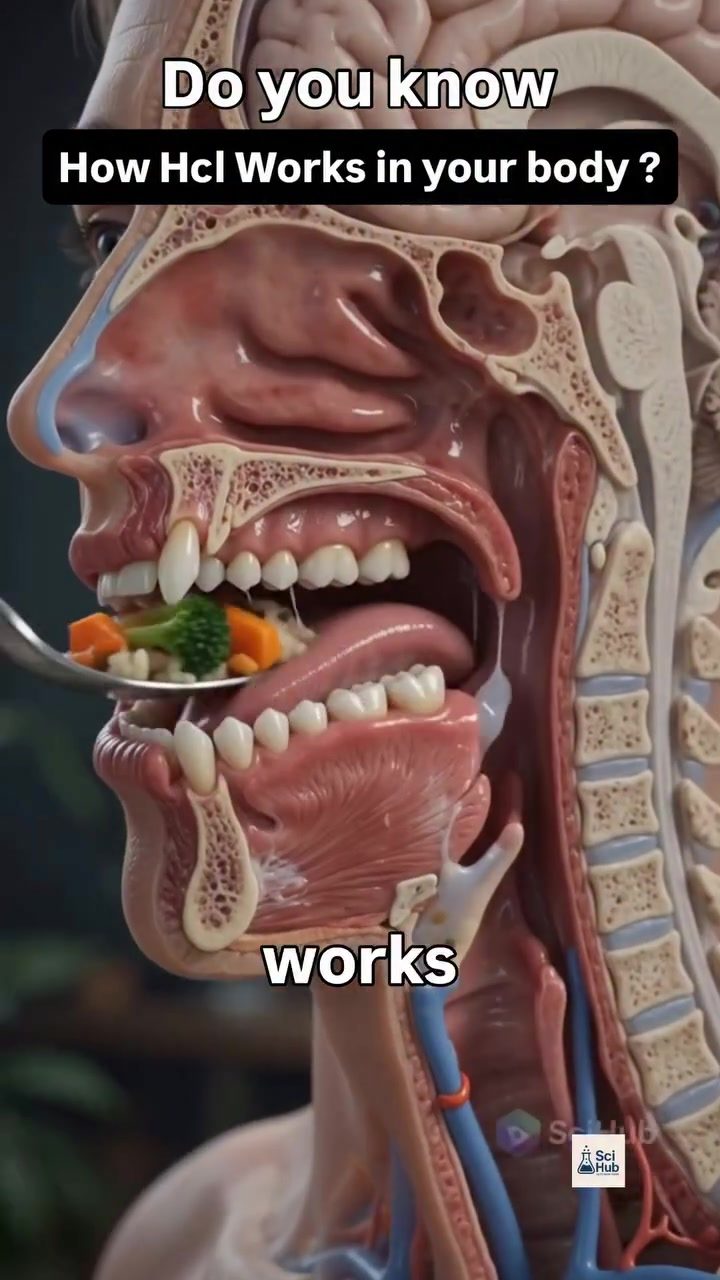
Hydrochloric Acid in the Body
Hydrochloric acid (HCl) plays a crucial role in the digestive process within the human body. Every time you eat, your stomach releases this powerful acid, which is essential for breaking down food and preparing it for absorption. Understanding the function and importance of hydrochloric acid in digestion sheds light on the intricate mechanisms that keep our bodies functioning optimally.
Why This Matters
The digestive system is a complex network of organs and processes that work together to break down food and absorb nutrients. Hydrochloric acid is a key player in this system, ensuring that the food we eat is properly digested and the nutrients are effectively absorbed. Without sufficient levels of HCl, digestion can become inefficient, leading to various health issues.
The Role of Hydrochloric Acid in Digestion
Production and Function
Hydrochloric acid is produced by specialized parietal cells located in the stomach lining. When food enters the stomach, these cells release HCl, which quickly mixes with the food. The primary function of HCl is not to digest food directly, but to create an acidic environment that facilitates the breakdown of food by activating enzymes.
Key functions of HCl in digestion include:
- Activating Pepsin: Hydrochloric acid converts pepsinogen, an inactive enzyme, into pepsin, which is responsible for breaking down proteins into smaller fragments. This process is crucial for protein digestion, as pepsin begins the breakdown of proteins into amino acids, which are then absorbed by the body.
- Breaking Down Food: While HCl does not digest food alone, it plays a significant role in the initial stages of digestion. The acidic environment created by HCl helps to break down food into smaller particles, making it easier for enzymes to work on them.
- Destroying Harmful Bacteria: The acidic environment in the stomach also acts as a natural defense mechanism. HCl helps to destroy many harmful bacteria that enter the body with food, preventing potential infections and illnesses.
Importance of HCl in Nutrient Absorption
Hydrochloric acid is also essential for the absorption of important nutrients. The acidic environment created by HCl aids in the breakdown of food, making it easier for the body to absorb essential nutrients like iron, calcium, and vitamin B₁₂. Without sufficient HCl, the absorption of these nutrients can be compromised, leading to deficiencies and related health issues.
Consequences of Low HCl Levels
Low levels of hydrochloric acid can have several adverse effects on digestion and overall health. When the stomach does not produce enough HCl, digestion becomes less efficient. This can lead to:
- Poor Protein Digestion: Without enough HCl, proteins remain undigested, leading to incomplete digestion and potential malnutrition.
- Reduced Nutrient Absorption: The body’s ability to absorb essential nutrients like iron, calcium, and vitamin B₁₂ is compromised, which can lead to deficiencies and related health problems.
- Gastrointestinal Issues: Low HCl levels can also contribute to various gastrointestinal issues, such as bloating, indigestion, and stomach discomfort.
Practical Tips for Maintaining Optimal HCl Levels
Maintaining optimal levels of hydrochloric acid is crucial for efficient digestion and overall health. Here are some practical tips to support HCl production and maintain a healthy digestive system:
- Consume a Balanced Diet: A diet rich in proteins, healthy fats, and complex carbohydrates can support HCl production. Foods like meat, fish, eggs, and leafy greens are particularly beneficial.
- Eat Smaller, More Frequent Meals: Eating smaller, more frequent meals can help reduce the strain on the digestive system and support optimal HCl production.
- Stay Hydrated: Proper hydration is essential for overall digestive health. Drinking plenty of water can help support the production of stomach acid and ensure efficient digestion.
- Avoid Excessive Alcohol and Caffeine: Both alcohol and caffeine can interfere with the production of hydrochloric acid. Limiting their consumption can help maintain optimal HCl levels.
- Manage Stress: Chronic stress can negatively impact digestive health, including the production of stomach acid. Practicing stress-reduction techniques, such as meditation, yoga, or deep breathing exercises, can help support optimal digestion.
- Consider Supplements: In some cases, supplements like betaine hydrochloride or digestive enzymes can help support HCl production and aid in digestion. However, it’s important to consult a healthcare provider before starting any new supplement regimen.
Important Takeaways
- Hydrochloric acid (HCl) is essential for digestion and nutrient absorption. It creates an acidic environment that activates enzymes, breaks down food, and destroys harmful bacteria.
- Low levels of HCl can lead to poor protein digestion, reduced nutrient absorption, and gastrointestinal issues. Maintaining optimal HCl levels is crucial for overall digestive health.
- A balanced diet, smaller meals, hydration, stress management, and avoiding excessive alcohol and caffeine can support HCl production and maintain a healthy digestive system.
Conclusion
Understanding the role of hydrochloric acid in the digestive process provides valuable insights into how the body functions and how to maintain optimal health. By supporting HCl production through a balanced diet, staying hydrated, and managing stress, you can ensure efficient digestion and nutrient absorption, leading to better overall health and well-being.
Watch the Reel
Questions readers ask
What triggers the release of hydrochloric acid in the stomach?
Hydrochloric acid is released in response to the presence of food in the stomach. This process is triggered by the vagus nerve and the hormone gastrin, which signals the parietal cells in the stomach lining to secrete the acid.
How does hydrochloric acid aid in protein digestion?
Hydrochloric acid creates an optimal acidic environment for the activation of pepsin, an enzyme crucial for protein breakdown. By lowering the pH, HCl helps convert pepsinogen into active pepsin, which then breaks down proteins into smaller peptides and amino acids for easier absorption.
What happens if there is a lack of hydrochloric acid in the digestive system?
Insufficient levels of hydrochloric acid can lead to impaired digestion, particularly of proteins. This can result in symptoms such as bloating, gas, and nutrient deficiencies, as the food is not properly broken down and nutrients are not effectively absorbed. It can also reduce the stomach's ability to kill harmful bacteria ingested with food.
Can hydrochloric acid levels be influenced by external factors?
Yes, factors such as stress, certain medications (like proton pump inhibitors), and dietary habits can affect hydrochloric acid production. Stress can impair the digestive process, while some medications are designed to reduce stomach acid, which can interfere with natural digestion. Certain foods and habits, like eating smaller meals and maintaining a healthy diet, can positively impact HCl levels.
How does hydrochloric acid help in nutrient absorption?
By breaking down food into smaller, absorbable components, hydrochloric acid facilitates the absorption of nutrients. It helps to release vitamins and minerals from food and aids in their absorption in the small intestine. Additionally, it converts certain nutrients into forms that are more easily absorbed.
What is the role of hydrochloric acid in protecting the body from harmful bacteria?
The acidic environment created by hydrochloric acid in the stomach is a crucial defense mechanism against harmful bacteria. It helps to destroy many ingested pathogens, preventing them from entering the intestines and causing potential infections. This process is especially important for maintaining overall health and preventing gastrointestinal illnesses.
How does hydrochloric acid interact with other digestive enzymes?
Hydrochloric acid plays a pivotal role in activating other digestive enzymes, such as pepsin. It converts inactive pepsinogen into active pepsin, which then breaks down proteins. This interaction is essential for the efficient digestion of proteins and the overall digestive process.
Related deep dives
Similar reads based on topic and creator.




Recent articles
Fresh deep dives from the latest Reels we unpacked.




Comments
Be the first to comment.