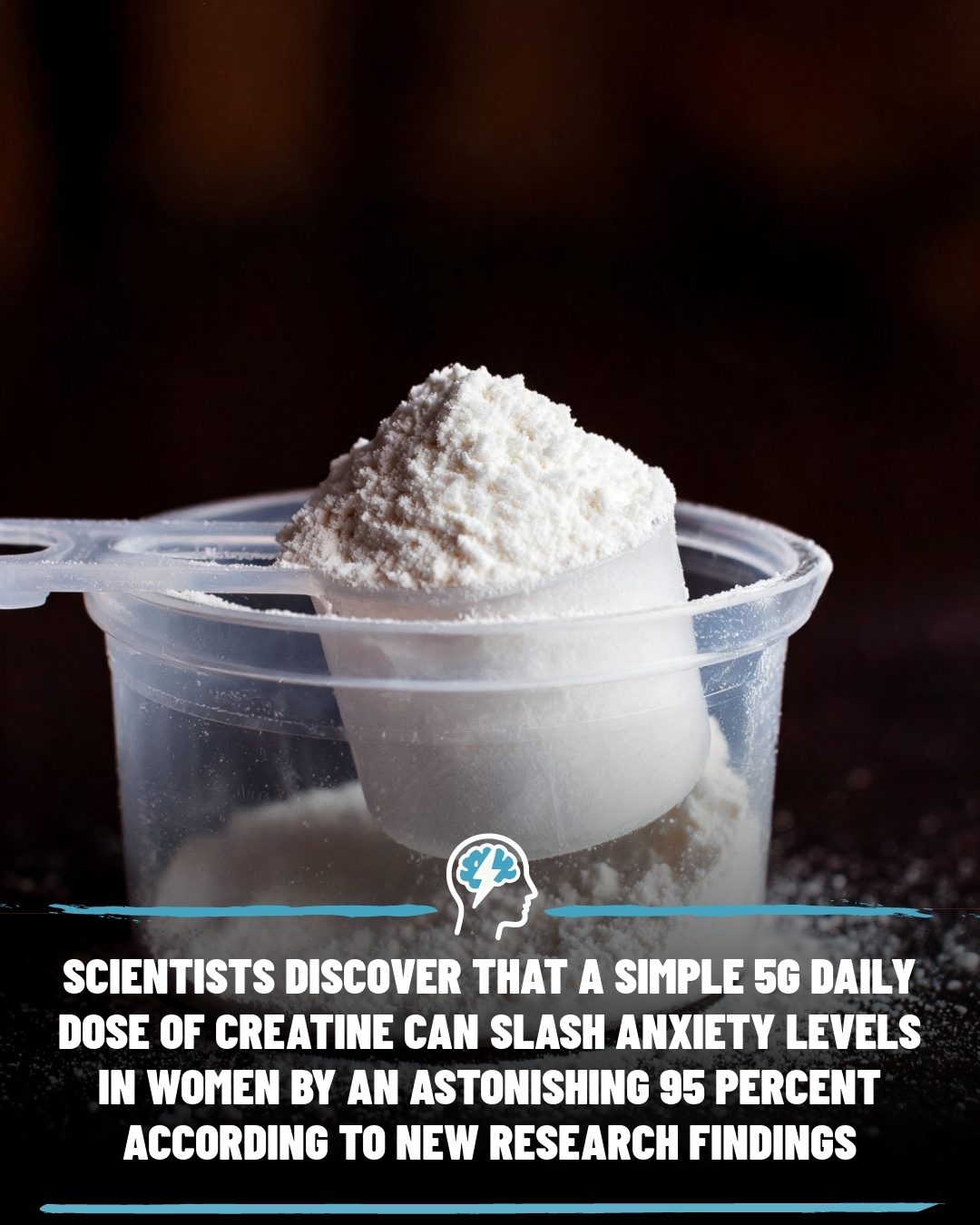
Creatine and Anxiety
Creatine, a popular supplement among fitness enthusiasts, is often associated with muscle growth and enhanced athletic performance. Recent research, however, reveals that creatine offers more than just physical benefits. It can significantly reduce anxiety levels in women. This finding is particularly intriguing given that creatine has long been marketed as a bodybuilding supplement. The supplement's true value lies in its ability to provide energy to every cell in the body, including the brain.
The benefits of creatine extend beyond the gym. Women, in particular, may experience significant reductions in anxiety symptoms when they incorporate a daily dose of creatine monohydrate into their routine. The science behind this phenomenon is rooted in how creatine interacts with the brain.
Why This Matters
For women, understanding the broader benefits of creatine is important. Hormonal fluctuations and lower natural brain creatine levels mean that women are particularly prone to anxiety. This makes creatine a valuable tool for maintaining mental well-being.
Context
Creatine has long been a staple in the world of sports and fitness. Traditionally, it has been used to enhance muscle strength and endurance. However, its role in mental health, particularly in managing anxiety, is a relatively new area of exploration. The recent research findings highlight creatine's potential to offer significant benefits beyond the physical realm.
The Role of Creatine in the Brain
The brain, an energy-intensive organ, consumes about 20% of the body's total energy at rest. Creatine acts as a backup power source, refilling ATP (adenosine triphosphate) during times of heavy mental strain. This means that during periods of high stress or cognitive demand, creatine can help sustain energy levels, reducing mental fatigue and improving overall brain function.
How Women Benefit
Women have lower brain creatine levels and experience variations in these levels due to hormonal shifts across the menstrual cycle and menopause. When the brain runs low on creatine, it struggles to maintain emotional balance. This can lead to increased anxiety and stress. By supplementing with creatine, women can fuel the prefrontal cortex and amygdala, regions of the brain responsible for managing stress and emotional regulation.
Main Discussion
The Science Behind Creatine and Anxiety
Creatine's impact on anxiety is rooted in its ability to support the brain's energy needs. The brain relies on a steady supply of ATP to function effectively. During periods of stress or cognitive demand, the brain can deplete its ATP stores, leading to mental fatigue and emotional strain. Creatine helps refill these stores, ensuring that the brain has the energy it needs to function optimally.
Energy Production in the Brain
The brain requires a constant supply of energy to maintain its various functions, including thought, memory, and emotional regulation. Creatine helps by increasing the production of ATP, the body's primary energy currency. This means that during times of high mental demand, creatine can help the brain maintain its energy levels, reducing fatigue and improving overall cognitive function.
Brain Regions and Anxiety
The prefrontal cortex and amygdala are two key regions of the brain involved in anxiety and stress regulation. The prefrontal cortex plays a crucial role in decision-making, emotional regulation, and impulse control, while the amygdala is responsible for processing and responding to emotional stimuli. Creatine helps fuel these regions, ensuring they have the energy needed to function effectively.
Hormonal Factors
Hormonal fluctuations, which are common during the menstrual cycle and menopause, can deplete the brain's creatine stores further. This depletion can exacerbate anxiety symptoms, making it difficult for women to manage their emotional well-being. By supplementing with creatine, women can mitigate the effects of these hormonal shifts, maintaining better emotional balance and reducing anxiety levels.
Research Findings
Recent clinical research has shown that a daily dose of 5 grams of creatine monohydrate can significantly reduce anxiety symptoms in women. This reduction is attributed to creatine's ability to support the brain's energy needs, ensuring that key regions involved in anxiety regulation have the energy they need to function effectively.
The Benefits of Creatine
Supplementing with creatine can lead to several benefits, including:
- Reduced brain fog and emotional fatigue: By ensuring a steady supply of energy to the brain, creatine can reduce mental fatigue and improve overall cognitive function.
- Increased stability under pressure: Creatine helps the brain maintain its energy levels during times of high stress, leading to better emotional regulation and stability.
- Faster mental recovery after stress: By refilling the brain's ATP stores, creatine can help the brain recover more quickly from periods of high stress, reducing the impact of stress on mental well-being.
Practical Tips
Incorporating Creatine into Your Routine
Integrating creatine into your daily routine is simple and effective. Here are some practical steps to help you make the most of creatine supplements:
-
Consistent Dose:
- A standard clinical dose is 5 grams per day. Consistency is key, as it allows creatine to build up in the brain and muscles over time.
-
Timing:
- While creatine can be taken at any time of the day, taking it with a meal or snack can enhance its absorption. Consider taking it post-workout as part of your recovery routine.
-
Mixing Creatine:
- Mix 5 grams of creatine powder with water. Ensure it is dissolved completely. You can also add it to your favorite protein shake or smoothie.
Monitoring Progress
Keeping track of how creatine affects your mental well-being is crucial. While everyone's response to creatine can vary, many women experience noticeable improvements in their anxiety levels within a few weeks. Pay attention to changes in your emotional balance, brain fog, and overall mental stability. Adjust your dosage or timing as needed, but always consult a healthcare professional if you have concerns.
Long-Term Use
Creatine is one of the most studied supplements, with a strong safety track record. It is a natural compound that the body produces and can be sourced from dietary sources like red meat and fish. Long-term use of creatine is generally safe for most individuals, but it is always a good idea to consult a healthcare provider, especially if you have any underlying health conditions.
Important Takeaways
Creatine, long known for its physical benefits, now offers a new dimension of support for mental well-being. Supplementing with creatine can significantly reduce anxiety levels in women, providing a natural and effective way to manage stress and emotional balance. The key points to remember are:
- Energy Support: Creatine acts as a backup power source for the brain, refilling ATP stores during mental strain.
- Targeted Benefits: By fueling the prefrontal cortex and amygdala, creatine helps manage stress and emotional regulation.
- Hormonal Considerations: Women, who naturally have lower brain creatine levels, can benefit significantly from supplementation to counteract hormonal shifts.
- Clinical Dose: A daily dose of 5 grams of creatine monohydrate is recommended for optimal results. Consistency is crucial for long-term benefits.
Conclusion
Creatine, the supplement known for its muscle-building properties, now offers a promising solution for managing anxiety in women. By providing the brain with a reliable energy source, creatine can help reduce anxiety symptoms, improve emotional balance, and enhance mental clarity. Incorporating a daily dose of 5 grams of creatine monohydrate into your routine can lead to significant improvements in mental well-being. This natural, safe, and effective supplement offers a valuable tool for women looking to manage their anxiety and maintain emotional stability.
Watch the Reel
Questions readers ask
How does creatine help in reducing anxiety levels in women?
Creatine aids in reducing anxiety by providing energy to brain cells, which can improve overall mental health and emotional well-being. Its ability to enhance cellular energy production is particularly beneficial for women experiencing anxiety symptoms.
What is the recommended dosage of creatine for anxiety relief?
For anxiety relief, a daily dose of 3-5 grams of creatine monohydrate is typically recommended. This dosage is easy to incorporate into a daily routine and has been shown to have positive effects.
Is creatine supplementation safe for women?
Yes, creatine supplementation is generally considered safe for women when taken within recommended dosages. It is always a good idea to consult with a healthcare provider before starting any new supplement regimen.
What are the other mental health benefits of creatine?
In addition to reducing anxiety, creatine may offer other mental health benefits. Some studies suggest that it can improve mood, enhance cognitive function, and support overall brain health. These benefits make creatine a versatile supplement for mental wellness.
How long does it take for creatine to show effects on anxiety?
The time it takes for creatine to show effects on anxiety can vary among individuals. Some people may experience benefits within a few weeks, while others might take a bit longer. Consistency in taking the supplement as part of a daily routine is key to seeing results.
Are there any specific types of creatine that are better for anxiety?
Creatine monohydrate is the most commonly used and well-studied form of creatine. It is readily available and effective for reducing anxiety symptoms. Other forms, such as creatine ethyl ester or buffered creatine, may also be used, but creatine monohydrate is often recommended due to its proven efficacy.
What do clinical trials say about creatine and anxiety in women?
Clinical trials have shown promising results regarding the use of creatine for anxiety relief in women. These studies have demonstrated that creatine supplementation can lead to significant reductions in anxiety symptoms, making it a valuable addition to anxiety management strategies.
Related deep dives
Similar reads based on topic and creator.




Recent articles
Fresh deep dives from the latest Reels we unpacked.




Comments
Be the first to comment.