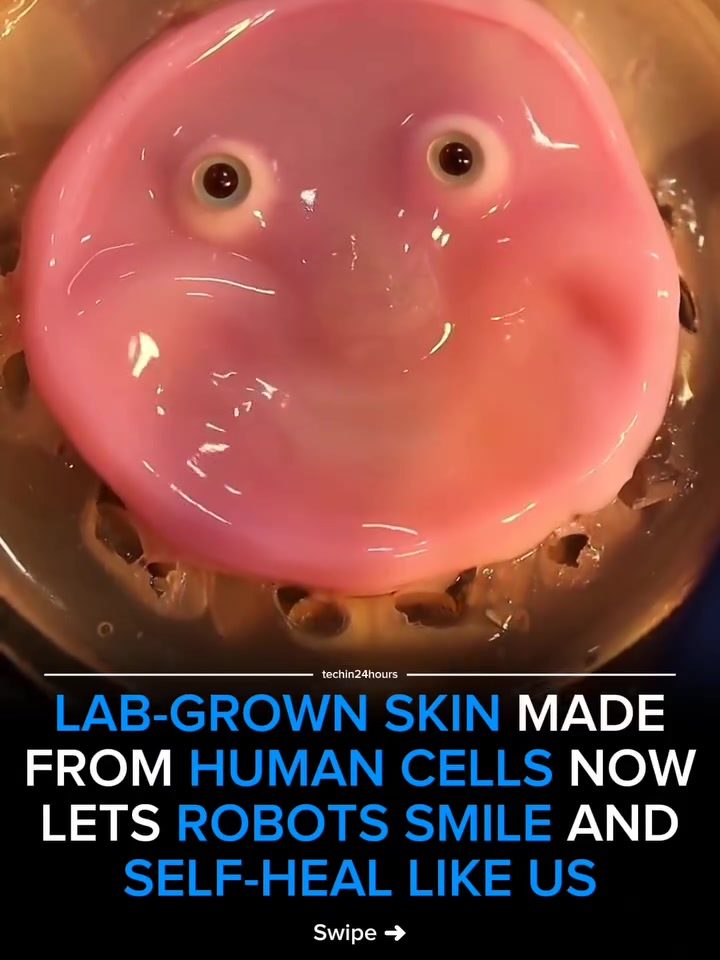
Lab-Grown Skin
Lab-grown human skin is a revolutionary material that has made significant strides in recent years, particularly in the field of robotics. Made from real human cells, this bioengineered skin can perform functions that mimic natural human skin, such as stretching, moving, and even healing from minor damage. This breakthrough opens up a wide range of applications, especially in the development of more natural-looking and functional robots, as well as various medical and cosmetic fields.
Context / Why this matters
The advancement of lab-grown skin technology holds immense potential for multiple industries, particularly robotics, prosthetics, and medicine. By creating skin derived from real human cells, researchers have paved the way for robots that can produce more natural facial expressions, smile, and even self-heal from minor damage. This innovation can transform the way robots are perceived and utilized in everyday life, making them more lifelike and relatable.
Main discussion
The Science Behind Lab-Grown Skin
Lab-grown human skin is created using real human cells, which are cultivated in a lab environment to form a living, functional tissue. This process involves growing skin cells in a petri dish and allowing them to develop into a cohesive layer of skin. The skin is then secured with ligament-inspired anchors, which enable it to stretch, move, and heal naturally. This anchoring system is crucial for the skin's durability and flexibility, allowing it to mimic the functions of natural human skin without tearing.
Applications in Robotics
One of the most exciting applications of lab-grown skin is in robotics. By integrating this bioengineered skin into robots, engineers can create machines that are capable of producing natural facial expressions and movements, making them appear more human-like. This is particularly significant for social robots, which are designed to interact with humans in a natural and intuitive way. The ability to smile, frown, and react with lifelike expressions can enhance the robots' emotional intelligence and make interactions more seamless and relatable.
Advancements in Prosthetics and Reconstructive Medicine
The development of lab-grown skin also holds great promise for the field of prosthetics and reconstructive medicine. Traditional prosthetics often lack the natural appearance and functionality of real skin, which can be a barrier for users. Lab-grown skin can address this issue by providing a more realistic and functional material for prosthetics, making them more comfortable and lifelike. Additionally, this technology can be used in reconstructive surgery to repair skin damage caused by injuries or medical conditions, offering a more natural and durable solution for patients.
Impact on Medical Training and Cosmetic Testing
The use of lab-grown skin can also significantly impact medical training and cosmetic testing. Traditional methods of medical training often involve animal testing, which raises ethical concerns. Lab-grown skin provides a viable alternative, allowing medical professionals to practice procedures on human-like tissue without the need for animal subjects. Similarly, in the cosmetic industry, lab-grown skin can be used to test the safety and effectiveness of new products, reducing the reliance on animal testing and ensuring more accurate results.
Enhancing Bio-Hybrid Robots
Researchers are continuously working to enhance the capabilities of lab-grown skin by adding features such as nerves and sweat glands. These advancements can make bio-hybrid robots even more lifelike, allowing them to respond to stimuli in a more natural way. For example, incorporating nerves into the skin can enable robots to sense touch and temperature, while adding sweat glands can help regulate their surface temperature and moisture levels. These enhancements can lead to more sophisticated and multifunctional robots that can interact with humans in a more authentic and meaningful way.
Practical tips
If you're interested in exploring the world of lab-grown skin, here are some practical tips to consider:
- Stay Informed: Keep up with the latest research and developments in the field. New discoveries and innovations are continually emerging, and staying informed can help you understand the potential of this technology.
- Collaborate with Experts: If you're involved in a relevant industry, consider collaborating with researchers and experts in the field. Their insights and expertise can provide valuable guidance and help you make informed decisions.
- Explore Ethical Implications: As with any new technology, it's essential to consider the ethical implications of lab-grown skin. Think about how this technology can be used responsibly and ethically, and how it can benefit society as a whole.
- Invest in Research: If possible, invest in research and development to support the advancement of lab-grown skin technology. This can help drive innovation and bring new possibilities to the forefront.
- Consider Applications in Your Industry: Think about how lab-grown skin can be applied in your industry. Whether it's in robotics, prosthetics, or medical training, there are numerous opportunities for this technology to make a significant impact.
Important takeaways
The development of lab-grown skin is a groundbreaking advancement that has the potential to transform various industries, from robotics and prosthetics to medical training and cosmetic testing. By creating a more natural and functional material, this technology can enhance the capabilities of robots, improve the quality of prosthetics, and reduce the reliance on animal testing. As researchers continue to explore new features and applications, the future of lab-grown skin looks even more promising, paving the way for a new era of innovation and discovery.
Conclusion
Lab-grown human skin represents a significant leap forward in the field of bioengineering and robotics. Its ability to mimic natural human skin functions, such as stretching, moving, and self-healing, opens up a world of possibilities for more natural-looking and functional robots, as well as various medical and cosmetic applications. As research continues to advance, the potential for lab-grown skin to revolutionize multiple industries is undeniable, making it an exciting and transformative technology to watch.
Watch the Reel
Questions readers ask
How is bioengineered skin different from traditional robot skin materials?
Bioengineered skin, made from living human cells, can stretch, move, and heal like natural human skin. Traditional robot skin materials, such as silicone or plastic, lack these dynamic properties, making bioengineered skin more suitable for creating lifelike, functional robots.
Can robots with lab-grown skin heal from damage?
Yes, robots with lab-grown skin can heal from minor damage, similar to human skin. This self-healing capability is due to the living cells in the bioengineered skin, which allow the material to repair small cuts and abrasions over time.
What are the benefits of using living skin cells in robotics?
Using living skin cells in robotics enables the creation of robots with more natural and relatable facial expressions. Additionally, it allows for self-healing capabilities, making these robots more durable and functional for everyday use.
Can bioengineered skin be used for purposes other than robotics?
Yes, bioengineered skin has potential applications in various fields, including prosthetics and medicine. It can be used to create more lifelike prosthetics and could potentially revolutionize treatments for skin injuries or conditions.
How does bioengineered skin help in developing more natural-looking robots?
Bioengineered skin mimics the stretch, movement, and healing abilities of natural human skin, enabling robots to have more lifelike facial expressions and movements. This makes robots with bioengineered skin appear more realistic and relatable.
What advancements has lab-grown skin brought to robot skin technology?
Lab-grown skin has introduced self-healing capabilities and enhanced lifelike features to robot skin technology, making robots more functional and relatable. This advancement opens up new possibilities for robot design and application.
Related deep dives
Similar reads based on topic and creator.



Recent articles
Fresh deep dives from the latest Reels we unpacked.




Comments
Be the first to comment.