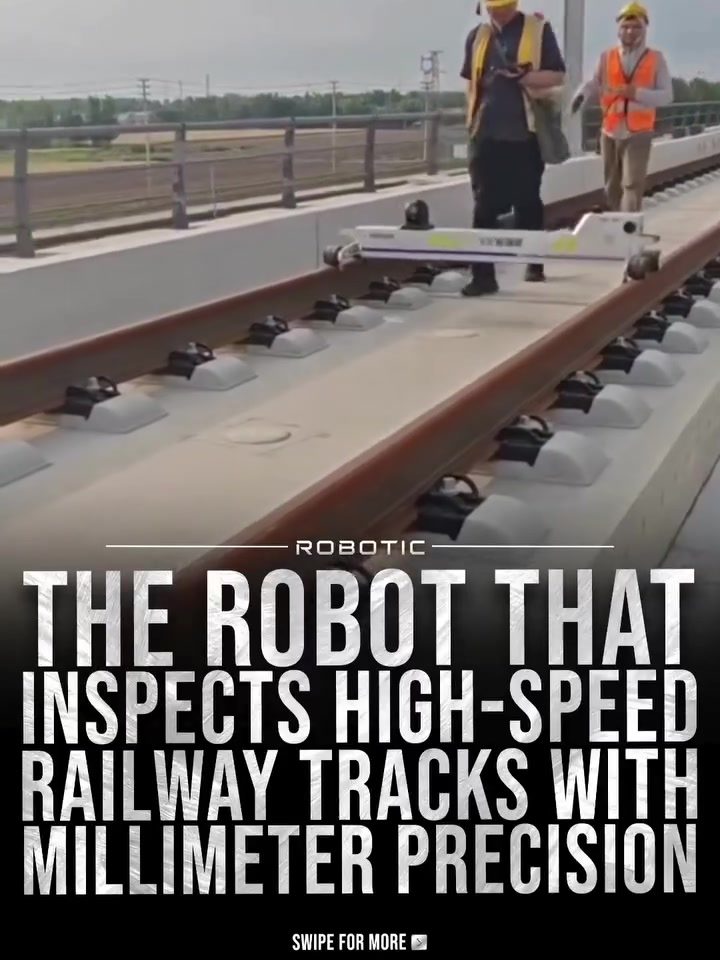
Robotic Rail Inspection
High-speed railway tracks require meticulous maintenance to ensure safety and reliability. Rail inspection robots are at the forefront of this endeavor, automating the process with millimeter-level precision. These advanced systems measure track geometry and sleeper spacing, helping to identify and address potential issues before they compromise safety.
Why this Matters
As rail networks continue to expand, the demand for efficient and accurate maintenance solutions grows. High-speed trains travel at hundreds of kilometers per hour, making the integrity of the tracks crucial. Even minor misalignments can have severe consequences, highlighting the need for precise and reliable inspection methods. Robotic systems offer a significant advancement in this area, enhancing both safety and operational efficiency.
Main Discussion
The Role of Robotic Inspection in Rail Maintenance
Robotic inspection systems are designed to perform tasks that would be challenging or impossible for human inspectors. By automating the inspection process, these robots can measure track geometry and sleeper spacing with an accuracy of up to a single millimeter. This level of precision allows engineers to detect alignment issues early, preventing potential safety risks.
Key Measurements
Track geometry and sleeper spacing are critical parameters for railway safety. Track geometry refers to the alignment and level of the tracks, which must be within strict tolerances to support smooth train operations. Sleeper spacing, on the other hand, ensures that the tracks are properly supported and secured to the ground. Any deviations in these measurements can lead to derailments or other serious incidents.
Robotic inspection systems use advanced sensors and imaging technologies to capture detailed data on these parameters. The robots move along the tracks, scanning and analyzing the surfaces to identify any deviations from the standard measurements. This data is then used to generate reports that highlight areas requiring maintenance or adjustment.
The Advantages of Automation
Automating rail inspections offers several key advantages over manual inspections:
- Increased Efficiency: Robotic systems can cover more ground in less time, reducing the time and resources needed for inspections.
- Reduced Manual Work: By automating the inspection process, the need for human inspectors to physically traverse the tracks is minimized, reducing manual labor and associated risks.
- Consistent Accuracy: Robots do not suffer from fatigue or distraction, ensuring consistent and accurate measurements every time.
- Safety Improvements: Early detection of alignment issues allows for preemptive maintenance, reducing the risk of accidents and ensuring safer train operations.
The Technology Behind Robotic Inspection
Robotic rail inspection systems incorporate a variety of advanced technologies to achieve their high level of precision:
Sensors and Cameras
The robots are equipped with high-resolution cameras and various sensors that capture detailed images and data of the tracks. These sensors can detect even the slightest deviations in track geometry and sleeper spacing, ensuring that no issues go unnoticed.
Data Analysis
The data collected by the sensors and cameras are processed using sophisticated algorithms. These algorithms analyze the data to identify any anomalies or deviations from the standard measurements. The results are then presented in detailed reports that highlight areas requiring maintenance or adjustment.
The Future of Rail Inspection
As rail networks continue to grow and evolve, the role of robotic inspection systems will become even more critical. These systems not only improve the efficiency and accuracy of inspections but also enhance safety and reliability. By automating the inspection process, these robots enable engineers to focus on more complex tasks, driving further advancements in rail maintenance and safety.
Practical Tips
Integrating Robotic Inspection with Existing Systems
Integrating robotic inspection systems with existing maintenance protocols can significantly enhance overall efficiency. Here are some practical tips for successful integration:
- Training and Familiarization: Ensure that maintenance teams are well-trained in operating and interpreting the data from robotic inspection systems. This includes understanding how to read the reports and act on the identified issues.
- Regular Maintenance: Schedule regular maintenance checks for the robotic systems themselves to ensure they remain in optimal working condition.
- Data Integration: Integrate the data from robotic inspections with existing maintenance management systems to streamline the workflow and ensure that identified issues are addressed promptly.
- Continuous Monitoring: Implement continuous monitoring systems to track the performance of the robotic inspection systems and make adjustments as needed.
Important Takeaways
- Robotic rail inspection systems offer unparalleled precision and efficiency in maintaining high-speed railway tracks.
- Automation reduces manual labor, improves safety, and ensures consistent accuracy.
- Early detection of alignment issues through robotic inspections helps prevent potential accidents and ensures reliable train operations.
Conclusion
Robotic inspection systems are revolutionizing the way high-speed railway tracks are maintained. By automating the inspection process with millimeter-level precision, these systems significantly enhance safety, efficiency, and reliability. As rail networks continue to expand, the adoption of such advanced technologies will be crucial in ensuring the safe and efficient operation of trains. By integrating robotic inspections into existing maintenance protocols, railway companies can drive significant improvements in track maintenance and overall safety.
Watch the Reel
Questions readers ask
How do robotic inspection systems contribute to high-speed rail safety?
Robotic inspection systems enhance high-speed rail safety by automating the maintenance process with high precision. They measure track geometry and sleeper spacing, detecting even minute deviations that could pose risks to high speed operations.
What kind of issues can be identified by robotic track inspection?
Robotic track inspection can identify issues such as misalignments, irregularities in sleeper spacing, and deviations in track geometry. By pinpointing these problems early, they help prevent potential derailments or other safety issues.
Why is millimeter precision important for high-speed rail maintenance?
Millimeter precision is vital because high-speed trains travel at speeds where even slight track irregularities can have catastrophic consequences. Precise measurements ensure that maintenance teams can address issues before they compromise safety.
How do railway inspection robots improve the efficiency of high-speed rail maintenance?
Railway inspection robots improve efficiency by automating the inspection process, reducing the need for manual labor and minimizing downtime. They can operate continuously, covering large areas quickly and accurately and ensuring that tracks are maintained to the highest standards.
What role does sleeper spacing play in high-speed rail safety?
Sleeper spacing is crucial for maintaining the structural integrity of the tracks. Proper spacing ensures that the track remains stable and can withstand the high speeds and loads of modern trains. Regular inspection and adjustment of sleeper spacing help prevent track deformations and potential derailments.
What are the benefits of using automated rail inspection over traditional methods?
Automated rail inspection offers several benefits over traditional methods. It provides consistent and accurate data, reduces human error, and can operate in harsh conditions. Additionally, it allows for continuous monitoring, ensuring that any issues are identified and addressed promptly.
Related deep dives
Similar reads based on topic and creator.



Recent articles
Fresh deep dives from the latest Reels we unpacked.




Comments
Be the first to comment.