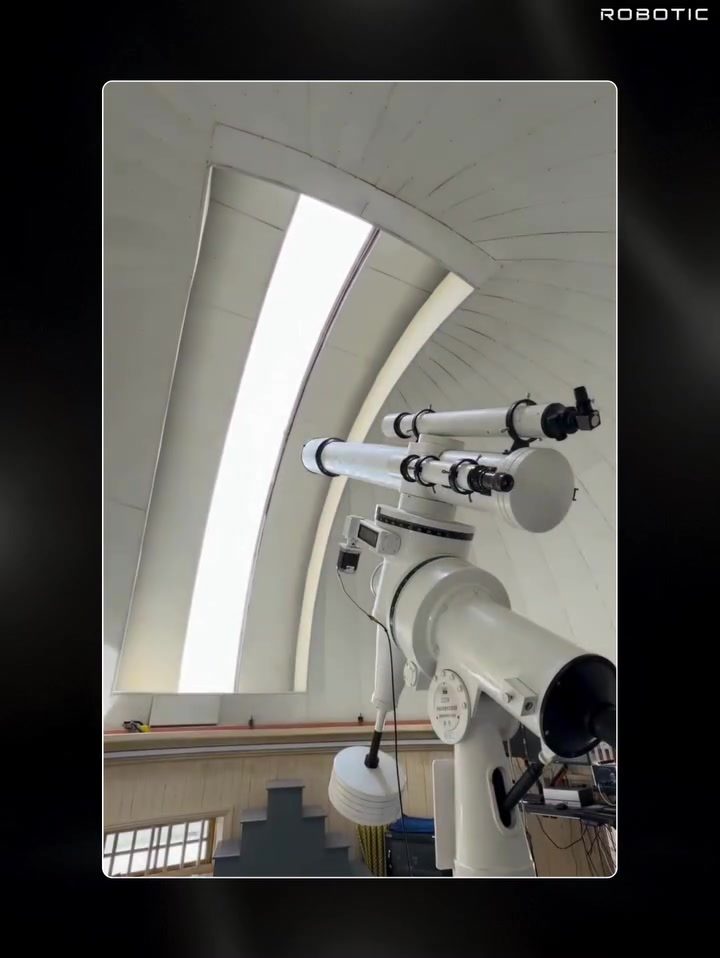
Robotic Solar Telescopes: Precision in Tracking Celestial Bodies
Robotic solar telescopes represent a cutting-edge advancement in astronomical observation, particularly in the precise tracking and study of celestial bodies like satellites. These sophisticated instruments combine automated technology with specialized optics to capture fleeting events with remarkable accuracy.
Why This Matters
The ability to track and observe satellites as they pass across the Sun is crucial for various fields, including space science, defense, and telecommunications. This kind of observation requires not only advanced technology but also precise timing and extensive calculations. Robotic telescopes are equipped to handle these demanding tasks, making them indispensable for modern astronomical research and space monitoring.
The Technology Behind Robotic Solar Telescopes
Automated Tracking and Control
Robotic telescopes employ automated tracking systems that use advanced algorithms and high-precision motors to follow the movement of celestial objects. This automation is essential for capturing transient events, such as a satellite's brief transit across the Sun's surface. The system must calculate the object's trajectory with extraordinary precision, often down to a fraction of a second, to ensure accurate observation.
Specialized Solar Imaging Equipment
Observing the Sun requires specialized imaging equipment designed to handle the intense brightness and heat. Robotic solar telescopes are equipped with filters and other optical components that allow for detailed imaging of the Sun's surface without risking damage to the equipment or observers. This capability is vital for studying solar phenomena like flares and sunspots, which can provide valuable insights into solar activity.
Dome and Environmental Control
Many robotic telescopes are housed in domes, which provide a controlled environment for observation. The dome helps maintain optimal conditions by shielding the telescope from external factors such as wind, temperature fluctuations, and light pollution. This controlled setting enhances the clarity and precision of observations, making it easier to capture detailed images of solar phenomena and passing satellites.
Robotic Precision in Action
Capturing a satellite as it passes across the Sun's surface is a testament to the capabilities of robotic telescopes. This feat demonstrates the system's ability to perform rapid, precise movements and calculations in real-time. The robotic telescope locks onto the fast-moving satellite, adjusting its position and focus to track the object as it traverses the Sun's surface in mere seconds. This precision is a result of advanced tracking technology, including high-accuracy motors and sophisticated algorithms.
Monitoring Space Activity
The ability to track satellites and other objects in space is crucial for monitoring space activity. Robotic telescopes enable scientists and researchers to study the behavior of satellites, detect potential hazards, and monitor space debris. These observations contribute to the safety and efficiency of space operations, providing valuable data for space agencies and private enterprises.
Practical Tips for Using Robotic Solar Telescopes
Ensuring Optimal Performance
Maintaining a robotic solar telescope involves regular calibration and updates to the tracking algorithms. This ensures that the system remains accurate and responsive to the movements of celestial objects. Regular cleaning of optical components and environmental controls within the dome is also essential for preventing errors and ensuring optimal performance.
Choosing the Right Equipment
Selecting a robotic solar telescope with the appropriate specifications for your needs can significantly enhance the quality of observations. Consider factors such as the telescope's aperture, focal length, and the type of imaging equipment it supports. Additionally, ensure that the dome and environmental controls are suitable for your observation site.
Training and Expertise
Operating a robotic solar telescope requires a certain level of expertise and training. Familiarize yourself with the telescope's control interface and tracking algorithms to effectively set up and execute observations. Efficient use of the telescope and understanding its technical specifications will help in capturing detailed and accurate observations.
Important Takeaways
Robotic solar telescopes have revolutionized the field of astronomical observation, particularly in the study of satellites and solar phenomena. These advanced instruments provide unprecedented precision and accuracy, enabling researchers to capture rare events and monitor space activity with ease. The combination of automated tracking, specialized optics, and controlled environments makes robotic solar telescopes an invaluable tool for modern astronomy.
Conclusion
The precision and capabilities of robotic solar telescopes highlight their significance in the field of astronomy and space monitoring. These tools not only enhance our understanding of celestial bodies but also contribute to the safety and efficiency of space operations. As technology continues to evolve, the future of robotic solar telescopes promises even more exciting advancements, opening new avenues for exploration and discovery.
Watch the Reel
Questions readers ask
What makes robotic solar telescopes suitable for tracking satellites across the sun?
Robotic solar telescopes are equipped with specialized filters to manage the sun's intense brightness and heat, allowing them to track satellites with precision as they transit the sun. They combine automated technology with advanced optics to capture these fleeting events accurately.
How do robotic telescopes contribute to space science and defense?
By precisely tracking satellites as they pass across the sun, robotic telescopes provide crucial data for both space science and defense. This data aids in understanding satellite behavior, predicting orbits, and ensuring the safety and functionality of space assets.
What role do filters play in robotic solar telescopes?
Filters in robotic solar telescopes are essential for reducing the sun's intense brightness and heat, protecting the telescope's optical components and allowing for clearer, more accurate observations of satellites and other celestial bodies.
How do robotic telescopes handle the challenges of satellite tracking across the sun?
Robotic telescopes use advanced automation and precise timing mechanisms to handle the complex task of tracking satellites across the sun. These systems are designed to perform extensive calculations and make real-time adjustments to maintain accurate tracking.
What are the key benefits of using robotic solar telescopes for satellite tracking?
Robotic solar telescopes offer high precision, automated operation, and the ability to withstand the sun's intense conditions. These benefits make them ideal for continuous, accurate tracking of satellites, which is vital for various applications, including telecommunications and space debris monitoring.
How do robotic solar telescopes differ from traditional telescopes in tracking satellites across the sun?
Unlike traditional telescopes, robotic solar telescopes are designed specifically to handle the unique challenges of observing the sun. They feature specialized filters, automated tracking systems, and robust optics to capture and track satellites with high precision as they transit the sun.
Related deep dives
Similar reads based on topic and creator.



Recent articles
Fresh deep dives from the latest Reels we unpacked.



Comments
Be the first to comment.