Chain Reactions and Mobility Assistance: How Innovations Support Older Adults
While chains often evoke images of strength and durability, a fascinating demonstration showcases how interconnected links can also symbolize balance, stability, and the future of mobility assistance. This innovative technology, though not directly related to chains, is worth exploring as we dive into the world of robotic solutions for older adults.
Context / Why This Matters
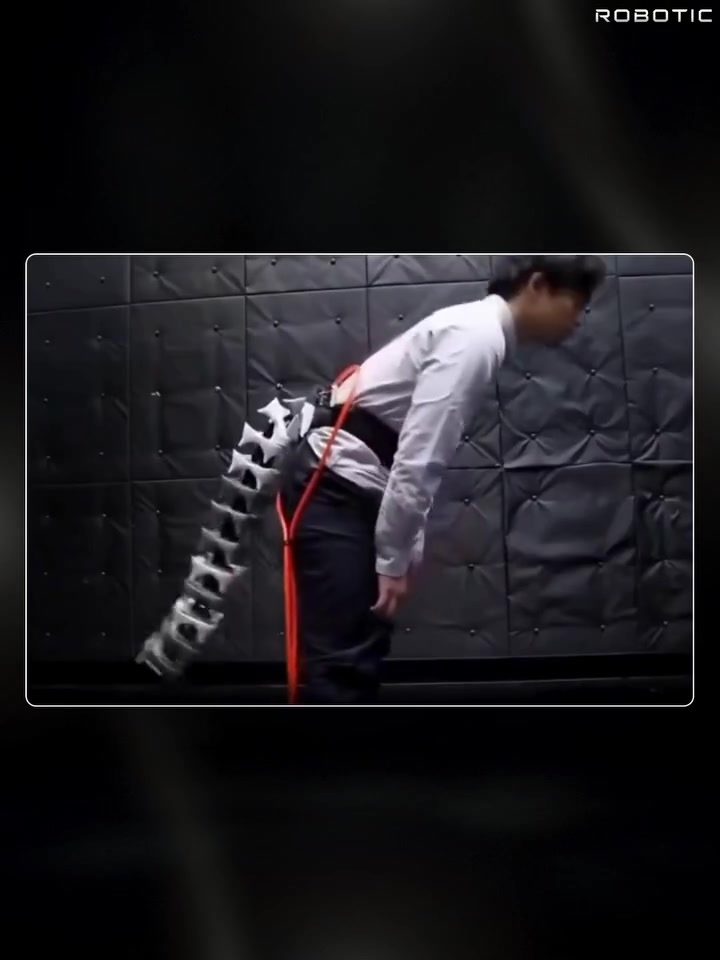
In Japan, where the population is rapidly aging, innovative solutions are crucial to support the growing number of older adults. One of the most pressing challenges is maintaining balance and mobility, which is essential for preventing falls and maintaining independence. A team of robotic engineers at Keio University has developed a cutting-edge wearable device called Arque that aims to address these issues. Inspired by animal tails, Arque uses pneumatic artificial muscles and advanced sensors to help users maintain stability.
The Science Behind Arque
Biomimicry and Robotics
Biomimicry, the practice of learning from and mimicking the strategies found in nature, has inspired many groundbreaking innovations. Arque is no exception. The device is designed to mimic the natural movements and balance of animal tails, which use flexible and adaptable structures to maintain equilibrium. The long, one-meter device is made of pneumatic artificial muscles and sensors, which continuously detect changes in the wearer’s center of gravity. By shifting its position accordingly, Arque provides automatic counterbalance, helping users stay steady while walking or standing.
Pneumatic Artificial Muscles
Pneumatic artificial muscles, or PAMs, are a key component of Arque. These flexible, air-powered actuators are designed to mimic the movements of natural muscles. They can contract and expand quickly, providing precise control and responsiveness. The PAMs in Arque are connected to a network of sensors that constantly monitor the wearer’s movements, allowing the device to react in real time.
Sensors and Stability
The sensors in Arque are essential for detecting changes in the wearer’s center of gravity. These sensors continuously monitor the wearer’s movements and communicate with the PAMs to ensure stability. This advanced technology allows Arque to adapt to various situations, whether the wearer is walking on uneven surfaces or standing in a crowded room.
Applications Beyond Balance
Rehabilitation and Industrial Use
While Arque is primarily aimed at improving balance for older adults, its potential applications extend far beyond that. The technology could be used in rehabilitation programs to help patients regain mobility and strength. For example, patients recovering from injuries or surgeries could benefit from Arque’s ability to provide support and stability during physical therapy exercises.
Moreover, the device has potential in industrial settings, where workers may need additional support to prevent falls and injuries. The precise control and responsiveness of Arque could make it an invaluable tool for those working in hazardous environments.
Virtual Reality
The future of virtual reality (VR) is another area where Arque’s technology could be highly beneficial. As VR becomes more immersive, the need for realistic and responsive movements increases. Arque’s ability to mimic natural movements and provide balance could make VR experiences more realistic and engaging. This could be particularly useful in gaming, training simulations, and other VR applications.
A Growing Aging Population
Japan’s aging population is a growing concern, with a significant portion of the population reaching retirement age. This demographic shift presents unique challenges and opportunities for innovation. The development of Arque highlights the potential of technology to address these challenges and improve the quality of life for older adults. By providing stability and mobility assistance, Arque can help older adults maintain their independence and reduce the risk of falls.
Practical Tips for Users
Getting Started with Mobility Assistance Devices
While Arque is a cutting-edge innovation, there are other mobility assistance devices that older adults can benefit from. Here are some practical tips for getting started with mobility assistance devices:
-
Consult a Healthcare Professional: Always consult with a healthcare professional before starting any new mobility assistance device. They can provide guidance on the best options for your specific needs and help you get the most out of the device.
-
Choose the Right Device: There are many different types of mobility assistance devices, from canes and walkers to robotic exoskeletons. Consider your needs and preferences when choosing a device, and don’t be afraid to try out different options to find the best fit.
-
Get Proper Training: Whether you’re using a cane, walker, or advanced device like Arque, proper training is essential. Make sure you understand how to use the device correctly and safely, and practice regularly to build your confidence and skills.
-
Maintain the Device: Regular maintenance is crucial for keeping your mobility assistance device in good working condition. Follow the manufacturer’s instructions for cleaning, inspecting, and storing the device, and address any issues promptly.
-
Stay Active: Using a mobility assistance device doesn't mean you have to give up physical activity. In fact, incorporating exercise into your routine can help improve your strength, balance, and overall health. Work with a physical therapist to develop a safe and effective exercise plan.
Important Takeaways
The Future of Mobility Assistance
The development of Arque represents a significant step forward in the field of mobility assistance. By combining biomimicry, robotics, and advanced sensor technology, Arque offers a unique solution to the challenges faced by older adults and those recovering from injuries. The device’s potential applications extend beyond balance, making it a versatile tool for rehabilitation, industrial use, and virtual reality.
Innovations in Japan: Addressing an Aging Population
Japan’s aging population is a clear motivation for innovations in mobility assistance. As the number of older adults continues to grow, so too will the demand for devices and technologies that can help them maintain their independence and quality of life. Arque is just one example of the innovative solutions being developed to address this challenge.
The Role of Technology
Technology plays a crucial role in addressing the challenges of an aging population. From mobility assistance devices to advanced medical treatments, technological advancements are essential for improving the lives of older adults. By continuing to invest in research and development, we can create more innovative solutions that meet the needs of an aging world.
Conclusion
The intersection of chains and mobility assistance might seem unlikely, but both represent important advancements in their respective fields. Chains, with their interconnected links, symbolize strength and durability, while mobility assistance devices like Arque embody the potential of technology to improve balance, stability, and overall well-being.
As we look to the future, innovations in mobility assistance will continue to play a vital role in supporting older adults and those in need of rehabilitation. Devices like Arque, with their advanced sensors and pneumatic artificial muscles, offer a glimpse into what’s possible when technology and biomimicry come together. By embracing these innovations, we can create a more accessible, independent, and fulfilling world for everyone.
Watch the Reel
Questions readers ask
How does the Arque robotic device help older adults prevent falls?
The Arque device mimics animal tails to provide automatic balance support. It uses pneumatic artificial muscles and sensors to adapt to the user’s body position, offering real-time stability and helping to prevent falls.
What inspired the creation of the Arque robotic tail?
The Arque device was inspired by the natural movements of animal tails, which are known for their role in maintaining balance and stability during movement.
How does the Arque device enhance mobility for its users?
Arque enhances mobility by providing adaptive support that helps users maintain their balance, which is crucial for moving around safely and confidently.
What role do pneumatic artificial muscles play in the Arque device?
Pneumatic artificial muscles in the Arque device act like muscles in biological tails, contracting and expanding to provide the necessary support and movement for balance and stability.
Who developed the Arque robotic tail, and why?
The Arque robotic tail was developed by a team of robotic engineers at Keio University in Japan. The purpose was to tackle the challenge of maintaining balance and mobility for the country's rapidly aging population, which is crucial for preventing falls and maintaining independence.
What makes the Arque device a wearable mobility aid?
The Arque device is designed to be worn, providing continuous and automatic balance support without interrupting daily activities. This makes it a practical and convenient aid for enhancing mobility.
What are the key benefits of using the Arque device for older adults?
The key benefits include automatic balance support, enhanced mobility, improved stability, and the ability to prevent falls, all of which contribute to maintaining independence and a higher quality of life for older adults.
Related deep dives
Similar reads based on topic and creator.



Recent articles
Fresh deep dives from the latest Reels we unpacked.




Comments
Be the first to comment.