Robotic Mouth Engineering
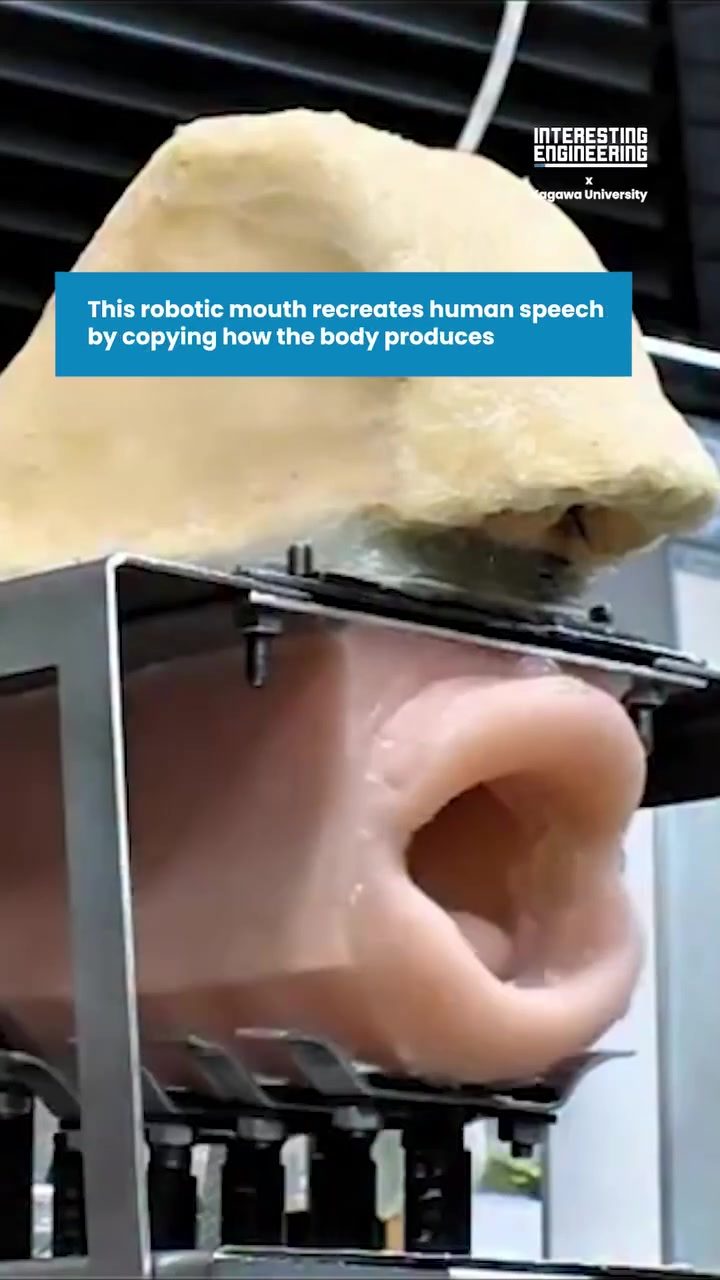
Robotic mouth devices represent a fascinating intersection of biology and engineering, offering innovative ways to replicate human speech. Unlike traditional digital voice systems, these devices use mechanical components to mimic the functions of human vocal organs. This particular robotic mouth, developed at Kagawa University, showcases a remarkable approach to speech replication.
Context / Why this matters
The field of robotic mouth engineering is significant for several reasons. Firstly, it advances our understanding of human speech mechanics, providing insights into how our vocal organs work in concert to produce sound. Secondly, these devices have practical applications in fields like speech therapy, prosthetics, and assistive technologies. By physically recreating human speech, robotic mouths can offer more natural and intuitive communication methods for individuals with speech impairments.
Main Discussion
The Mechanics of Robotic Speech
The robotic mouth device from Kagawa University operates on principles that closely mimic human physiology. Instead of relying on digital audio processing, it uses mechanical components to replicate the functions of human vocal organs. Here's a breakdown of the key components and their functions:
The Air Pump as Lungs
At the heart of the device is an air pump that serves as artificial lungs. This pump pushes air through the system, much like how human lungs push air through the vocal tract. The controlled movement of air is crucial for generating the necessary airflow to produce speech sounds.
Silicone Parts Acting as a Tongue
Flexible silicone parts in the device mimic the action of the human tongue. These parts move and shape the airflow, creating the same articulatory movements that humans use to form different speech sounds. The silicone's flexibility allows for precise control over the airflow, enabling the device to produce a wide range of sounds.
Artificial Vocal Cords
The device incorporates eight artificial vocal cords, which vibrate as air passes through them, similar to how human vocal cords function. These cords are essential for controlling the pitch and tone of the speech, adding nuance and expressiveness to the generated sounds. By adjusting the tension and vibration of these cords, the device can produce different pitches and tones, making the speech more natural and varied.
Engineering Principles
The robotic mouth at Kagawa University demonstrates several key engineering principles. One of the most notable is the use of biomimicry, where natural systems and processes are used as inspiration for engineering solutions. By replicating the functions of human vocal organs, the device showcases how mechanical systems can mimic biological processes.
Another critical principle is the integration of multiple mechanical components to achieve a complex function. The air pump, silicone parts, and artificial vocal cords work together seamlessly to produce speech. This integration highlights the importance of interdisciplinary collaboration in engineering, where knowledge from different fields, such as mechanics, materials science, and physiology, is combined to create innovative solutions.
Applications in Speech Therapy and Prosthetics
Robotic mouth devices have exciting potential applications in speech therapy and prosthetics. For individuals with speech impairments, these devices can provide a more natural and intuitive way to communicate. By replicating human speech, they can help users develop better articulatory skills and improve their ability to express themselves clearly.
In the field of prosthetics, robotic mouth devices can be integrated into advanced prosthetics to provide users with the ability to communicate more effectively. For example, a prosthetic limb could be equipped with a robotic mouth, allowing the user to control the device through speech commands or to communicate directly through the prosthetic.
The use of robotic mouth devices in these applications could significantly improve the quality of life for individuals with speech impairments or prosthetic needs. By providing more natural and intuitive communication methods, these devices can help users feel more connected to the world around them and reduce the barriers to effective communication.
Practical Tips
While the robotic mouth device from Kagawa University is a sophisticated piece of engineering, there are some practical tips to consider when exploring similar technologies or applications. Here are a few key points to keep in mind:
-
Material Selection: Choose materials that are flexible, durable, and biocompatible. Silicone, for example, is an excellent choice for replicating the movement of the tongue because of its flexibility and biocompatibility.
-
Precision Engineering: Ensure precise control over the movement of mechanical components. In the case of the robotic mouth, the silicone parts and artificial vocal cords must move and vibrate with high precision to replicate human speech accurately.
-
Integration of Components: Pay close attention to the integration of different components. The air pump, silicone parts, and artificial vocal cords must work together seamlessly to produce speech. Proper integration is crucial for achieving the desired functionality.
-
User Feedback: Gather feedback from users to refine and improve the device. Input from individuals with speech impairments or prosthetic needs can provide valuable insights into how to make the device more effective and user-friendly.
-
Interdisciplinary Collaboration: Foster collaboration between different fields, such as mechanics, materials science, and physiology. This interdisciplinary approach can lead to innovative solutions and more effective technologies.
Important Takeaways
Robotic mouth engineering represents a fascinating and practical area of study with significant potential applications. The device developed at Kagawa University showcases a unique approach to replicating human speech. Some of the most important takeaways from this technology include:
- Biomimicry: The use of biomimicry to replicate biological processes in mechanical systems.
- Integration of Components: The seamless integration of multiple mechanical components to achieve a complex function.
- User Experience: The potential applications in speech therapy and prosthetics, where these devices can provide more natural and intuitive communication methods.
- Interdisciplinary Collaboration: The importance of interdisciplinary collaboration in creating innovative solutions.
Conclusion
Robotic mouth devices offer a glimpse into the future of human-machine interaction, where mechanical systems can replicate complex biological processes. The device developed at Kagawa University is a testament to the potential of this technology, demonstrating how engineering and biomimicry can be combined to create innovative solutions. By understanding the mechanics of robotic speech, we can pave the way for more advanced and user-friendly technologies, ultimately improving the quality of life for individuals with speech impairments or prosthetic needs.
Watch the Reel
Questions readers ask
What makes the robotic mouth from Kagawa University unique compared to other speech technologies?
The robotic mouth from Kagawa University stands out because it uses mechanical components to replicate the functions of human vocal organs, unlike traditional digital voice systems that rely on pre-recorded sounds or synthesized voices. This mechanical approach allows for more natural and intuitive speech.
How does the robotic mouth assist individuals with speech impairments?
The robotic mouth provides an innovative communication method for those with speech impairments. By mimicking the functions of human vocal organs, it allows users to produce natural-sounding speech, enhancing their ability to communicate effectively in daily life.
What are the main components of the robotic mouth device?
The robotic mouth device consists of mechanical components that mimic the functions of human vocal organs, including a silicon tongue and robotic vocal cords. These components work in concert with an air pump to produce sound, replicating the natural process of human speech.
Can the robotic mouth be used for purposes beyond assisting speech-impaired individuals?
Yes, the robotic mouth has applications beyond assisting speech-impaired individuals. It can be used in speech therapy to help patients understand and improve their speech mechanics, in prosthetics to develop more natural-sounding artificial voices, and in assistive technologies to enhance communication devices.
How does the robotic mouth enhance our understanding of human speech mechanics?
By replicating the functions of human vocal organs, the robotic mouth provides valuable insights into how our vocal organs work together to produce sound. This understanding can contribute to advancements in speech therapy, prosthetics, and other fields related to human communication.
What role does the air pump play in the robotic mouth device?
The air pump in the robotic mouth device serves a crucial role by mimicking the airflow produced by the human lungs. This airflow is essential for generating sound and facilitating the mechanical components that replicate the functions of the human vocal tract, allowing the device to produce speech.
How does the robotic mouth compare to digital speech technologies?
Unlike digital speech technologies that rely on pre-recorded sounds or synthesized voices, the robotic mouth uses mechanical components to replicate the natural process of human speech. This mechanical approach offers a more natural and intuitive method of communication, making it a unique advancement in the field of speech replication.
Related deep dives
Similar reads based on topic and creator.


Recent articles
Fresh deep dives from the latest Reels we unpacked.




Comments
Be the first to comment.