Robotic Floor Cleaners: A Smart Solution for Tiled Floors
Robotic floor cleaners are becoming increasingly popular, especially in large spaces like hotel hallways. These automated devices can navigate tiled floors with ease, making them an efficient choice for maintaining cleanliness.
Why This Matters
In large facilities like hotels, maintaining clean floors is a constant challenge. Traditional cleaning methods can be time-consuming and labor-intensive. Robotic floor cleaners offer a smart solution by automating the cleaning process. They can navigate various floor types and clean efficiently, reducing the workload on staff and ensuring consistent cleanliness.
Navigating Tiled Floors
One of the key advantages of robotic floor cleaners is their ability to navigate tiled floors effectively. Tiled surfaces, common in many public spaces, can be challenging to clean due to their intricate patterns and grooves. Robotic cleaners are equipped with advanced sensors and mapping technology that allow them to detect and clean around obstacles, ensuring every corner is covered.
Functionality and Design
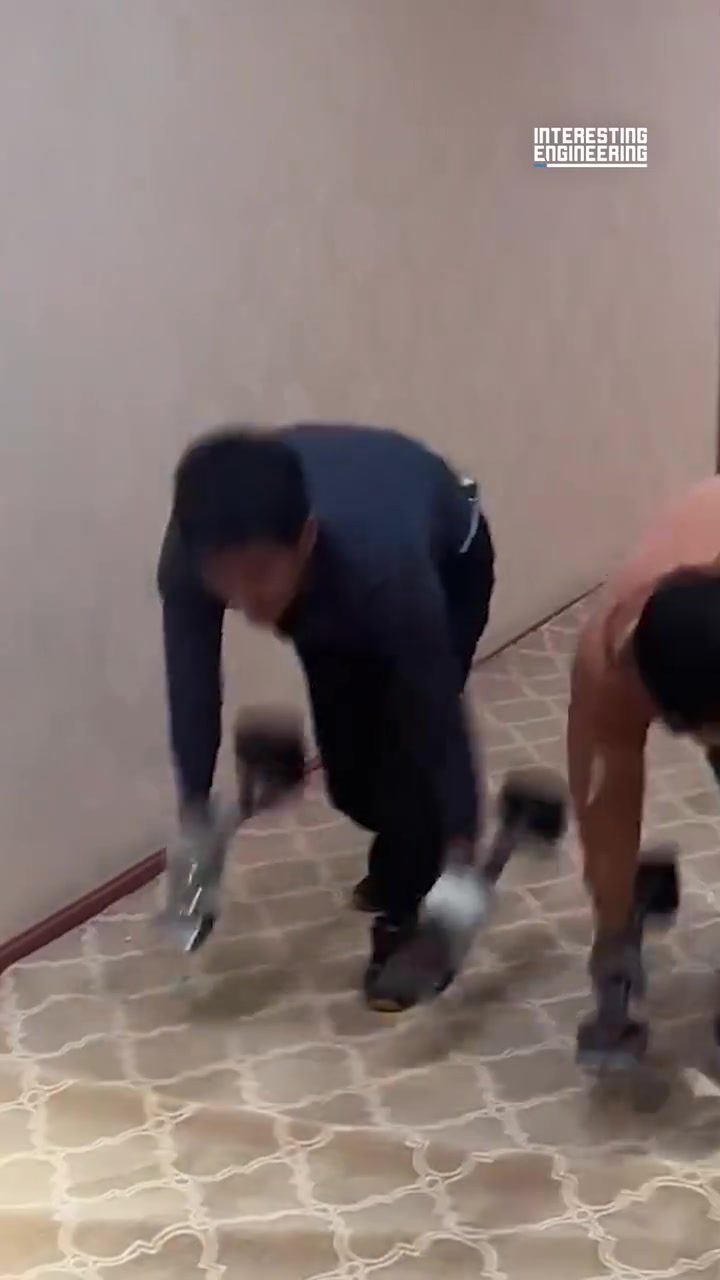
Robotic floor cleaners typically feature small wheels and brushes that help them maneuver and clean effectively. These devices are designed to be compact, making them easy to store and transport. The demonstration shows the cleaner navigating a tiled floor in a hallway, highlighting its functionality. The person following the robot likely adjusts its path, showcasing how the device can be guided or programmed to follow specific routes.
Practical Tips for Using Robotic Floor Cleaners
- Initial Setup: Before using a robotic floor cleaner, it's essential to read the manual and understand its features. Most devices come with a detailed guide on how to set them up and program them for specific tasks.
- Mapping the Area: Some robotic cleaners require an initial mapping of the area. This can be done by placing the device in the room and allowing it to create a digital map. This map helps the robot navigate and clean efficiently.
- Scheduling Cleaning Times: Many robotic cleaners can be programmed to clean at specific times. This feature is useful in maintaining a consistent cleaning schedule without manual intervention.
- Maintenance: Regular maintenance is crucial for keeping the robotic cleaner in good working condition. This includes emptying the dustbin, cleaning the brushes, and checking for any blockages.
- Adjusting Settings: Depending on the floor type, you may need to adjust the settings of the robotic cleaner. For example, on tiled floors, you might need to increase the suction power or change the cleaning mode.
Important Takeaways
Robotic floor cleaners are a valuable addition to any large facility, especially those with tiled floors. Their ability to navigate and clean efficiently makes them a smart investment. By understanding their functionality and following practical tips, you can ensure that your robotic cleaner works optimally, keeping your floors clean and well-maintained.
Conclusion
Robotic floor cleaners offer a modern solution to the age-old problem of keeping floors clean. With their advanced navigation and cleaning capabilities, they are particularly useful in large spaces with tiled floors. By leveraging these devices, you can enhance the cleanliness of your facility while reducing the workload on your staff.
Watch the Reel
Questions readers ask
How do robotic floor cleaners navigate complex hotel hallways?
Robotic floor cleaners use advanced sensors and mapping technology to navigate hotel hallways, even those with complex layouts. This allows them to efficiently clean large spaces, avoiding obstacles and ensuring thorough coverage.
Can robotic floor cleaners handle the different types of flooring found in hotels?
Yes, these cleaners are designed to handle various floor types, including tiled floors. They can efficiently navigate and clean different surfaces, making them versatile for hotel maintenance.
What are the benefits of using robotic floor cleaners in hotel hallways?
Robotic floor cleaners reduce the need for manual labor, ensuring consistent cleanliness and freeing up staff for other tasks. They operate autonomously, providing efficient floor cleaning for large spaces like hotel hallways.
How do robotic floor cleaners ensure thorough cleaning in large facilities?
Robotic floor cleaners are equipped with advanced technology that allows them to systematically clean large areas. They follow specific patterns and can cover extensive spaces without missing spots, ensuring thorough cleaning.
Are robotic floor cleaners effective in reducing maintenance time?
Yes, by automating the cleaning process, robotic floor cleaners significantly reduce the time spent on maintenance. They operate continuously, ensuring that hotel hallways are cleaned more frequently and efficiently.
What kind of technology do robotic floor cleaners use for navigation?
Robotic floor cleaners use sensor mapping technology to understand and navigate their surroundings. This technology helps them to create a map of the area, detect obstacles, and plan an efficient cleaning route.
Can robotic floor cleaners operate continuously in a hotel setting?
Yes, many robotic floor cleaners are designed to operate continuously, ensuring that hotel hallways are consistently clean. They can be scheduled to run during off-peak hours to avoid disruption and maximize cleaning efficiency.
Related deep dives
Similar reads based on topic and creator.


Recent articles
Fresh deep dives from the latest Reels we unpacked.




Comments
Be the first to comment.