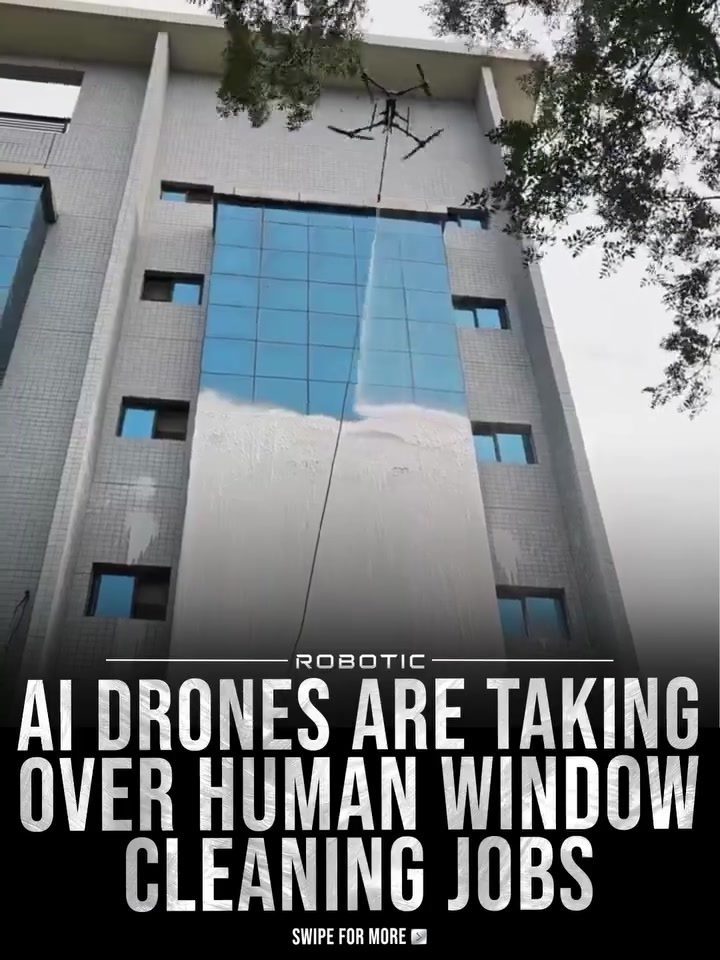
Robotic Window Cleaning
Robotic window cleaners are transforming the way skyscrapers are maintained, especially in high-rise buildings. Traditionally, cleaning skyscraper glass involved workers operating at extreme heights using ropes and specialized equipment. This method, while effective, posed significant risks to human workers. Today, advanced drones equipped with high-pressure water systems are being developed to make the process faster, safer, and more efficient.
Why This Matters
The rise of robotic window cleaners is part of a broader trend in AI-powered automation. As cities continue to grow vertically, the demand for efficient and safe maintenance solutions has increased. Robotic systems can reach difficult areas of glass curtain walls, reducing the risks faced by human workers during dangerous maintenance jobs.
Main Discussion
The Evolution of Window Cleaning
For decades, high-rise window cleaning has been a dangerous job. Workers had to navigate extreme heights and challenging weather conditions. The introduction of robotic window cleaners marks a significant shift in this industry. These advanced drones are equipped with high-pressure water systems, making them capable of cleaning windows quickly and efficiently.
How Robotic Window Cleaners Work
Robotic window cleaners operate using a combination of AI and advanced robotics. A robotic arm extends from a structure above, spraying water and cleaning the windows. The precision and efficiency of these systems far surpass traditional methods. They can navigate complex glass curtain walls and ensure a thorough clean without human intervention.
Benefits of Robotic Window Cleaning
- Safety: Robotic systems eliminate the need for human workers to operate at extreme heights, significantly reducing the risk of accidents.
- Efficiency: These drones can clean windows faster than human workers, making the process more efficient.
- Precision: The advanced technology ensures a thorough and precise clean, reaching areas that human workers might miss.
- Cost-Effective: While the initial investment in robotic systems can be high, the long-term savings in labor costs and reduced risk of accidents make it a cost-effective solution.
Applications Beyond Window Cleaning
The use of robotic window cleaners is just the beginning. AI-powered automation is expanding into various industries where precision, safety, and continuous operation are crucial. From construction and inspection to general maintenance, autonomous machines are changing how cities manage their infrastructure.
Practical Tips
Choosing the Right Robotic Window Cleaner
When selecting a robotic window cleaner, consider the following factors:
- Capability: Ensure the robotic system can handle the height and complexity of your building's windows.
- Precision: Look for systems that offer high precision in cleaning, ensuring a thorough job.
- Ease of Use: Choose a system that is easy to operate and maintain, minimizing downtime and operational costs.
- Safety Features: Opt for systems with robust safety features to ensure the safety of the building and its occupants.
Maintenance and Upkeep
Regular maintenance is crucial to keep robotic window cleaners in optimal condition. This includes:
- Routine Inspections: Regularly inspect the system for any signs of wear and tear.
- Software Updates: Ensure the system's software is up-to-date to benefit from the latest improvements and security patches.
- Cleaning: Regularly clean the system to remove any dirt or debris that could affect its performance.
Safety Precautions
While robotic window cleaners eliminate many risks, it's essential to follow safety precautions:
- Training: Ensure that all operators are trained in using the robotic system.
- Emergency Procedures: Have emergency procedures in place in case of any malfunctions.
- Regular Checks: Conduct regular checks to ensure the system is functioning correctly and safely.
Important Takeaways
- Robotic window cleaners are revolutionizing the maintenance of high-rise buildings, making the process safer and more efficient.
- These systems use advanced AI and robotics to clean windows thoroughly and precisely.
- The benefits of robotic window cleaning include enhanced safety, increased efficiency, and cost savings.
- Robotic technology is expanding into various industries, transforming how cities manage their infrastructure.
- Choosing the right robotic window cleaner and maintaining it properly are essential for optimal performance and safety.
Conclusion
Robotic window cleaners are not just a futuristic concept; they are a reality transforming the way we maintain high-rise buildings. With their advanced technology, these systems offer a safer, more efficient, and cost-effective solution to traditional window cleaning methods. As AI-powered automation continues to expand, we can expect to see more innovative applications in various industries, making our cities smarter and safer.
Watch the Reel
Questions readers ask
How do robotic drones clean skyscraper windows safely?
Robotic drones use advanced AI and stabilization systems to navigate and clean windows at extreme heights. These systems ensure that the drones can maintain balance and stability, minimizing the risk of falls or accidents, unlike human workers who rely on ropes and harnesses.
What are the benefits of using robotic window cleaning systems over traditional methods?
Robotic window cleaning systems improve safety by reducing human exposure to high-risk environments. They also enhance efficiency by covering large areas quickly and consistently, making them a cost-effective solution for maintaining skyscraper windows.
Can robotic drones clean all types of windows on high-rise buildings?
Yes, robotic drones are designed to handle various types of glass curtain walls and windows, including those with intricate designs and difficult-to-reach areas. This makes them versatile for different architectural structures found in high-rise buildings.
How do AI-powered drones navigate around skyscraper windows?
AI-powered drones use a combination of sensors, cameras, and mapping technology to navigate around skyscraper windows. They can detect obstacles, plan the most efficient cleaning routes, and operate autonomously to ensure thorough cleaning.
Can robotic drones be used for other skyscraper maintenance tasks besides window cleaning?
While primarily designed for window cleaning, some robotic drones can be adapted for other maintenance tasks, such as inspecting building exteriors and applying protective coatings. Their versatility makes them an asset in various maintenance roles.
What happens if a robotic drone malfunctions while cleaning a skyscraper window?
Modern robotic drones are equipped with safety features such as emergency shutdowns and fail-safe mechanisms. If a malfunction occurs, the drone can be remotely controlled or safely returned to the ground, ensuring minimal disruption and risks.
Related deep dives
Similar reads based on topic and creator.


Recent articles
Fresh deep dives from the latest Reels we unpacked.




Comments
Be the first to comment.