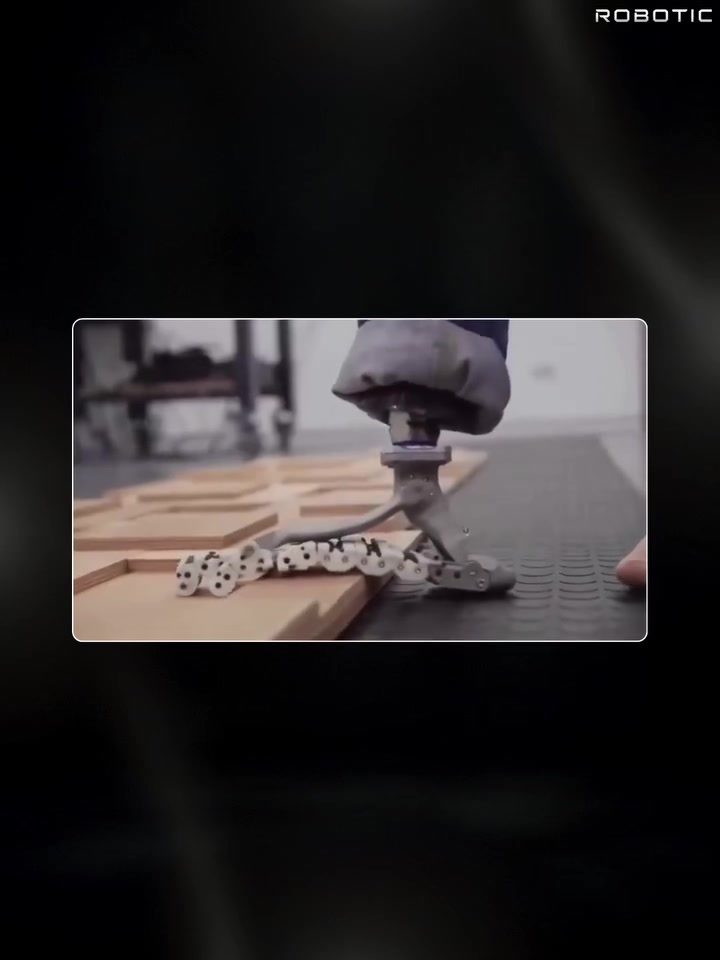
Robotic Arm Assembly
Robotic arms are integral to modern automated manufacturing processes, offering unparalleled precision and repeatability. These advanced mechanical systems are designed to handle a wide range of tasks, from simple pick-and-place operations to complex assembly procedures. Understanding the assembly process of a robotic arm provides insights into the intricate workings of automation technology.
Why This Matters
In an era where automation is transforming industries, robotic arms stand out as versatile tools that enhance efficiency, accuracy, and productivity. These machines are commonly used in sectors such as automotive, electronics, food processing, and pharmaceuticals. By delving into the assembly process, we gain a clearer understanding of how these systems are integrated into larger automated manufacturing lines, and how they contribute to the overall efficiency and precision of production processes.
Main Discussion
Components of a Robotic Arm
A typical robotic arm consists of several key components, each playing a crucial role in its functionality. These include:
- Base: The foundation of the robotic arm, which can be fixed or mobile.
- Arm Segments: Multiple segments that allow for various movements and rotations.
- End-Effector: The tool at the end of the arm that interacts with the environment, such as grippers, welders, or sensors.
- Control System: The brain of the robotic arm, which processes commands and controls movements.
- Power Supply: Provides the necessary energy for the arm to operate.
- Sensors: Enable the arm to perceive its environment and make adjustments in real-time.
The Assembly Process
Assembling a robotic arm involves integrating these components into a cohesive system. The process typically includes several stages:
- Base Installation: The base is securely attached to the working surface, ensuring stability and proper alignment.
- Arm Segment Assembly: Each segment of the arm is carefully attached, ensuring accurate movements and rotations. This step often involves precise calibration to ensure all parts are correctly aligned.
- End-Effector Attachment: The end-effector is mounted onto the final segment of the arm. This requires precise fitting to ensure proper functionality.
- Control System Integration: The control system is connected to the arm, enabling it to receive and execute commands. This often includes integrating software and hardware components.
- Power Supply Connection: The robotic arm is connected to a power source, ensuring it has the necessary energy to operate.
- Sensor Integration: Sensors are installed to provide the arm with real-time data about its environment. This allows for adaptive behavior and precise movements.
Precision and Automation in Manufacturing
The precision and automation involved in robotic manufacturing are unparalleled. Robotic arms can perform tasks with a high degree of accuracy, reducing the likelihood of errors. This level of precision is crucial in industries where even minor deviations can result in significant issues. For example, in the electronics industry, precise placement of components is essential for the functionality of the final product.
Integration with Larger Systems
Robotic arms are often integrated into larger automated manufacturing systems. This integration involves connecting the robotic arm to a central control system, which coordinates the actions of multiple machines. This coordination ensures that each step of the manufacturing process is executed in the correct sequence, optimizing efficiency and reducing downtime. The integration also allows for real-time monitoring and adjustments, enabling continuous improvement of the manufacturing process.
Practical Tips
Choosing the Right Robotic Arm
When selecting a robotic arm for a specific application, several factors must be considered:
- Payload Capacity: The weight the arm can handle without compromising performance.
- Reach and Range: The distance the arm can extend and the area it can cover.
- Precision and Accuracy: The level of precision required for the specific task.
- Speed and Agility: The amount of movement speed and flexibility needed.
Maintenance and Calibration
Regular maintenance and calibration are essential for ensuring the longevity and performance of a robotic arm. This includes:
- Lubrication: Keeping moving parts lubricated to minimize wear and tear.
- Software Updates: Regularly updating the control software to improve functionality and security.
- Calibration: Periodically calibrating the arm to ensure it maintains its precision and accuracy.
- Inspection: Routine inspections to identify and address any potential issues early.
Important Takeaways
Robotic arms are essential tools in modern manufacturing, offering unmatched precision, repeatability, and efficiency. The assembly process involves integrating various components into a cohesive system, ensuring each part is correctly aligned and calibrated. This integration allows robotic arms to be seamlessly incorporated into larger automated manufacturing lines, enhancing overall productivity and accuracy.
Robotic arm technology continues to evolve, driven by advancements in control systems, sensors, and software. As these technologies advance, the capabilities of robotic arms will expand, enabling even more complex and precise tasks. Understanding the intricacies of robotic arm assembly and integration will be crucial for leveraging these advancements in the future.
Conclusion
Robotic arms are transforming the manufacturing landscape, offering unprecedented levels of precision and automation. By understanding the assembly process and integration of these advanced systems, industries can optimize their manufacturing processes, enhance productivity, and stay competitive in a rapidly evolving market. Whether in automotive, electronics, or any other sector, robotic arms are poised to play an increasingly vital role in the future of manufacturing.
Watch the Reel
Questions readers ask
What are the key components involved in the assembly of a robotic arm?
The assembly of a robotic arm involves several key components, including the base, arm segments, end effector, controller, and power supply. Each component plays a crucial role in the overall functionality and precision of the robotic arm.
How does the assembly process of a robotic arm enhance precision in manufacturing?
The assembly process of a robotic arm is meticulously designed to ensure that each component is perfectly aligned and calibrated. This precision is vital for executing tasks with high accuracy, such as pick-and-place operations, welding, and assembly procedures in manufacturing.
What are the benefits of integrating robotic arms into modern manufacturing processes?
Integrating robotic arms into manufacturing processes offers numerous benefits, including increased efficiency, consistency, and productivity. Robotic arms can perform repetitive tasks with high precision, reducing the risk of human error and enhancing overall output.
What types of industries benefit most from robotic arm assembly?
Industries such as automotive, electronics, food processing, and pharmaceuticals significantly benefit from robotic arm assembly. These sectors rely on the precision and repeatability of robotic arms to maintain high standards of quality and productivity in their manufacturing processes.
How is the end effector selected and attached during the robotic arm assembly process?
The end effector is selected based on the specific task the robotic arm will perform. It can range from grippers and welders to cameras for vision systems. The end effector is then attached to the robotic arm using specialized mounting hardware, ensuring a secure and precise connection.
What role does the controller play in the robotic arm assembly and operation?
The controller serves as the brain of the robotic arm, managing all movements, actions, and interactions. It processes commands, monitors sensors, and ensures the robotic arm performs tasks accurately and efficiently. The controller is typically programmed using specialized software tailored to the specific application.
Related deep dives
Similar reads based on topic and creator.



Recent articles
Fresh deep dives from the latest Reels we unpacked.




Comments
Be the first to comment.