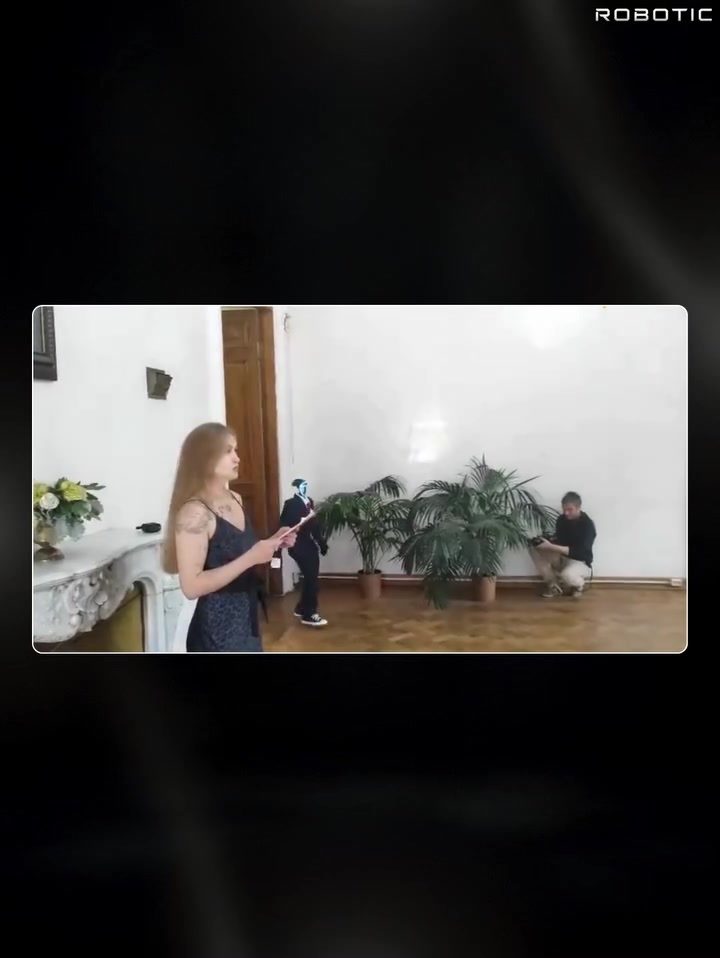
Robotic Advances in Social and Cultural Experiences
Humanoid robots are increasingly participating in events traditionally reserved for humans, marking a significant shift in how AI and robotics integrate into social and cultural experiences.
Context / Why This Matters
At Moscow’s Pushkin Library, humanoid robots Robert and Matilda participated in what was described as Russia’s first robotic wedding ceremony. This event highlights the growing role of robots in social settings and demonstrates the advancements in humanoid robotics and human-robot interaction.
The ceremony, purely symbolic and not legally recognized, showcased robots dressed in wedding attire exchanging vows and bracelets. It provided a glimpse into how AI and robotics are evolving to become part of our social and cultural fabric. This event was a demonstration designed to highlight the latest advancements in humanoid robotics.
Main Discussion
The Rise of Humanoid Robots in Social Events
Humanoid robots like Robert and Matilda are designed to mimic human actions and interactions. Their participation in social events marks a new era where technology is not just an observer but an active participant in our daily lives. This integration of robots into social settings is part of a broader trend towards human-robot interaction, where robots are becoming more than just tools for specific tasks; they are evolving into companions and participants in social events.
The Pushkin Library Ceremony
The robotic wedding ceremony at Moscow’s Pushkin Library was a significant milestone. The event included all the traditional elements of a wedding ceremony, such as exchanging vows. The robots were dressed in formal attire and performed actions designed to mimic human behaviors. Robert and Matilda’s participation in this event was not just a technological showcase but also a demonstration of the emotional and social capabilities of robots. This ceremony highlighted how robots can be integrated into our social activities, potentially expanding their uses from practical to emotional and social roles.
Symbolic vs. Legal Recognition
While the ceremony was symbolic and not legally recognized, it underscored the emotional and social potential of humanoid robots. The event was designed to highlight the technological capabilities of these robots without the legal and ethical complexities of a real wedding ceremony. This approach allowed the organizers to focus on the technological and emotional aspects of the event, showcasing how robots can participate in social events without the legal recognition that comes with human activities.
The Future of Human-Robot Interaction
The integration of robots into social events like the Pushkin Library ceremony is just the beginning. As AI and robotics continue to evolve, we can expect to see more robots participating in social and cultural experiences. This trend suggests a future where robots are not just tools but active participants in our social lives. The symbolic nature of the event at the Pushkin Library demonstrates how robots can be integrated into social settings, potentially leading to more advanced and emotionally intelligent robots in the future.
Practical Tips
Understanding the Capabilities of Humanoid Robots
To fully appreciate and leverage the potential of humanoid robots, it's essential to understand their capabilities. These robots are designed to mimic human actions and interactions, making them suitable for various social and cultural settings. Recognizing the emotional and social potential of these robots can help in integrating them into our lives more effectively.
Preparing for Future Human-Robot Interactions
As we move towards a future where robots are more integrated into our social lives, it's crucial to prepare for these interactions. This preparation can involve understanding the capabilities and limitations of these robots and learning how to interact with them effectively. By doing so, we can ensure that these interactions are meaningful and beneficial for both humans and robots.
Leveraging Symbolic Events
Symbolic events, like the robotic wedding ceremony at the Pushkin Library, can be a valuable way to test and showcase the capabilities of humanoid robots. These events allow for a focus on the emotional and social aspects of robotics without the legal and ethical complexities that come with real-world applications. By leveraging these opportunities, we can better understand the potential of robots in social settings and prepare for a future where they are more integrated into our lives.
Important Takeaways
Robots are gradually becoming part of our social and cultural fabric, as demonstrated by the robotic wedding ceremony in Moscow. This event highlights the emotional and social potential of humanoid robots and suggests a future where robots are more integrated into our lives.
Understanding the capabilities of these robots and preparing for future interactions is crucial. Symbolic events provide valuable opportunities to test and showcase these capabilities, helping us better understand the potential of robots in social settings.
Conclusion
The robotic wedding ceremony at Moscow’s Pushkin Library marks a significant milestone in the integration of robots into social and cultural experiences. As AI and robotics continue to evolve, we can expect to see more robots participating in our social lives, potentially leading to emotionally intelligent and socially integrated robots. The advancements in humanoid robotics and human-robot interaction are not just about technological showcases but also about the emotional and social capabilities of robots.
Watch the Reel
Questions readers ask
Can robots legally marry in any country?
Currently, robots cannot legally marry. The wedding between humanoid robots, such as Robert and Matilda in Russia, is symbolic and does not hold legal recognition. However, this act showcases the evolving role of robots in social settings and cultural events. Some countries might even introduce laws on robotics that will impact how we perceive the role of robots in society.
What other social roles are robots taking on besides weddings?
Robots are increasingly involved in various social roles, from assisting in healthcare and eldercare to participating in cultural events. Additionally, robot dogs, like those developed by companies such as Boston Dynamics, are being integrated into social settings for companionship, therapy, and even as part of entertainment in events like weddings.
Why were the robots dressed in wedding attire during the ceremony?
The robots, Robert and Matilda, were dressed in wedding attire to mimic human actions in a wedding ceremony. This visual representation helped in showcasing the advancements in robotics and the potential for robots to become active participants in social and cultural experiences.
What does the future hold for robotics in social events?
As technology advances, robots are likely to take on even more diverse and interactive roles in social events. This includes participating in ceremonies, assisting with logistics, and providing entertainment, making them a more integral part of our daily lives in various capacities.
What are the implications of robots participating in wedding ceremonies?
Robots participating in wedding ceremonies signifies a new era where AI and robotics are evolving to become more than just tools. This shift indicates that robots could soon have even more integrated roles in our social lives, influencing how we perceive and interact with technology in personal and cultural contexts.
Related deep dives
Similar reads based on topic and creator.


Recent articles
Fresh deep dives from the latest Reels we unpacked.




Comments
Be the first to comment.