Robotic Dogs and the Future of Last-Mile Delivery
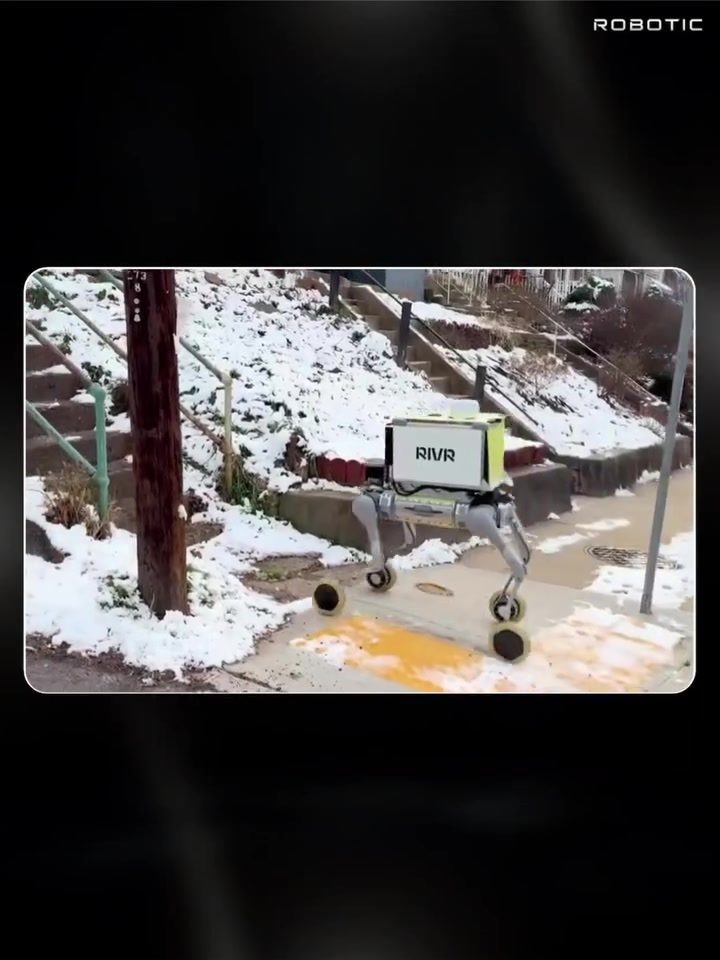
Robotic dogs, like the one developed by RIVR Tech, are paving the way for a new era in last-mile delivery. These quadrupedal robots are designed to navigate complex and unpredictable environments, offering a promising alternative to traditional wheeled delivery systems.
Why This Matters
Last-mile delivery, the final leg of the supply chain from a distribution center to the end customer, is a critical component of modern logistics. However, traditional wheeled vehicles face significant challenges in navigating uneven terrain, stairs, curbs, and adverse weather conditions like snow. Robotic dogs, with their four-legged design, offer a solution to these problems by providing dynamic balance, adjustable step height, and the ability to handle a variety of obstacles autonomously.
The RIVR Robotic Dog: A Closer Look
The RIVR robotic dog showcases the potential of this technology. Equipped with advanced sensors and algorithms, it can navigate real-world obstacles with ease. Here’s a breakdown of its key features:
Dynamic Balance and Mobility
The most significant advantage of a quadrupedal design is its ability to maintain stability on uneven surfaces. Unlike wheeled vehicles, which can struggle with balance and traction, the robotic dog can adjust its step height and distribution of weight dynamically, ensuring it remains stable even on slopes and stairs. This capability is crucial for navigating urban and suburban environments where stairs, curbs, and uneven terrain are common.
Autonomous Navigation
Robotic dogs like the RIVR model can navigate autonomously without human intervention. This is made possible through a combination of AI and machine learning, allowing the robot to make real-time decisions based on its environment. This autonomy is essential for efficient delivery systems, as it reduces the need for constant supervision and allows for more flexible scheduling.
Adaptability to Different Environments
Outdoor settings present unique challenges for delivery systems, including varying weather conditions and terrain. The RIVR robotic dog demonstrates remarkable adaptability in these conditions. It can handle snow, uneven terrain, and other obstacles that would typically hinder traditional delivery methods. This adaptability makes it an ideal solution for last-mile delivery in diverse environments.
Practical Tips for Implementing Robotic Dogs in Delivery Systems
While the technology is promising, several practical considerations must be addressed to successfully integrate robotic dogs into delivery systems:
Infrastructure and Logistics
The physical infrastructure, such as charging stations and maintenance facilities, needs to be in place for robotic dogs to operate efficiently. This includes strategic placement of these facilities to ensure the robots can recharge and perform routine maintenance without disrupting the delivery schedule.
Regulation and Safety
Safety is a paramount concern when deploying autonomous robots into public spaces. Regulations must be established to govern how these robots operate and interact with humans and other vehicles. This includes guidelines for speed limits, pedestrian safety, and emergency protocols.
Public Acceptance
The successful integration of robotic dogs into delivery systems also depends on public acceptance. Public education and outreach are necessary to inform people about the benefits and safety features of these robots. This will help build trust and acceptance, ensuring a smoother transition to this new technology.
Important Takeaways
The development of robotic dogs for last-mile delivery represents a significant advancement in logistics and automation. These robots offer a versatile and reliable solution to the challenges posed by traditional delivery methods. By maintaining stability, navigating autonomously, and adapting to various environments, robotic dogs can reach locations that current logistics solutions cannot efficiently serve. This technology has the potential to revolutionize the way goods are delivered, making the process more efficient, autonomous, and terrain-independent.
Conclusion
The RIVR robotic dog exemplifies the exciting possibilities in the field of robotics and last-mile delivery. With their advanced capabilities and adaptability, these robots are set to transform the logistics industry. As the technology continues to evolve, we can expect to see more innovative solutions that improve the efficiency and reliability of delivery systems, ultimately benefiting consumers and businesses alike.
Watch the Reel
Questions readers ask
How does RIVR's robotic dog navigate urban environments differently from traditional wheeled vehicles?
RIVR's robotic dog uses a four-legged design that allows it to handle urban obstacles more effectively. Unlike wheeled vehicles, it can manage stairs, uneven terrain, and tight spaces, providing a more adaptable solution for last-mile delivery.
What are the main advantages of using a robotic dog like RIVR's for last-mile delivery?
The primary advantages include dynamic balance, autonomous navigation, and the ability to traverse complex environments. These features make it ideal for navigating stairs, curbs, and varied terrain, ensuring reliable delivery even in challenging conditions.
Can RIVR's robotic dog operate independently in different weather conditions?
Yes, RIVR's robotic dog is designed to handle adverse weather conditions, such as snow, rain, and rough terrain. Its four-legged design and autonomous navigation systems allow it to maintain stability and continue deliveries regardless of the weather.
How does RIVR's robotic dog handle stair climbing?
RIVR's robotic dog is equipped with adjustable step height, enabling it to climb stairs with ease. This capability is crucial for navigating multi-level buildings and uneven surfaces, making it a versatile solution for urban delivery.
What role does autonomous navigation play in RIVR's robotic dog?
Autonomous navigation allows RIVR's robotic dog to independently plan and execute its delivery routes. This feature ensures efficient and timely deliveries, making it a reliable choice for last-mile delivery services.
In what ways does RIVR's robotic dog improve upon existing delivery systems?
RIVR's robotic dog offers improvements by addressing the limitations of traditional wheeled vehicles. Its ability to navigate uneven surfaces, climb stairs, and operate autonomously makes it a more robust and adaptable delivery solution, particularly in complex urban environments.
What kind of obstacles can RIVR's robotic dog typically overcome?
RIVR's robotic dog can overcome obstacles such as stairs, curbs, uneven terrain, and other urban challenges. Its design and capabilities make it well-suited for environments where traditional delivery methods struggle.
Related deep dives
Similar reads based on topic and creator.


Recent articles
Fresh deep dives from the latest Reels we unpacked.



Comments
Be the first to comment.