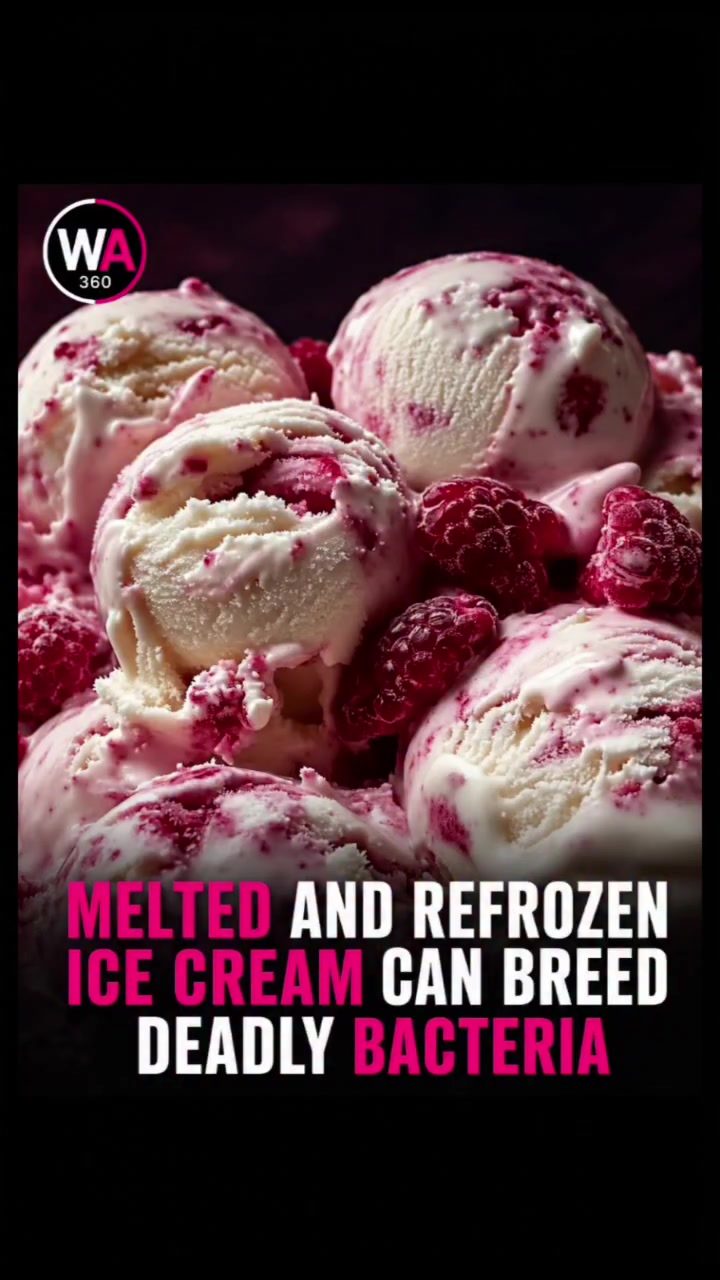
Ice Cream Safety: The Hidden Dangers of Refreezing
Ice cream is a beloved summer treat, but it’s important to handle it properly to avoid potential health risks. The issue of refreezing melted ice cream is one that often goes unnoticed, but it can pose serious problems.
Why This Matters
Understanding the dangers of refreezing melted ice cream is crucial for anyone who enjoys this frozen delight. The primary concern is the growth of harmful bacteria, which can thrive in melted ice cream and pose health risks if consumed. Knowing how to store and handle ice cream properly can help keep you and your loved ones safe.
The Dangers of Refreezing Ice Cream
Ice cream that melts at room temperature becomes a perfect, sugary breeding ground for nasty bacteria, such as Listeria. This bacterium can cause serious food poisoning, especially in individuals with weakened immune systems, the elderly, and young children. While refreezing might lock these bacteria in, it won't kill them, meaning you could be consuming harmful germs unknowingly.
Bacteria Growth in Melted Ice Cream
When ice cream melts, the combination of sugar and water creates an ideal environment for bacteria to grow. The most concerning bacteria in this context is Listeria, which can survive and even thrive in cold temperatures. If ice cream is left to melt at room temperature for too long, the bacteria count can increase significantly. Refreezing won't eradicate these bacteria; it just freezes them in place, making it possible for them to thrive again once the ice cream is thawed.
Texture and Taste Degradation
Beyond the health risks, refreezing melted ice cream can also degrade its texture and taste. The melting and refreezing process can lead to the formation of ice crystals, which can make the ice cream gritty and less palatable. The overall quality of the ice cream can deteriorate, making it a less enjoyable treat.
Practical Tips for Handling Ice Cream
To keep your ice cream safe and enjoyable, follow these practical tips:
-
Scoop Out What You Need: When serving ice cream, only scoop out the amount you and your family will consume immediately. This reduces the risk of melting and bacterial growth.
-
Keep It in Freezer: If you have leftovers, put them back into the freezer as soon as possible. The colder the ice cream, the less likely it is to support bacterial growth.
-
Avoid Repeated Melting: Try to avoid repeated melting and refreezing of ice cream. If it has melted, it's best to eat it promptly rather than refreezing it.
-
Storage Tips: Store ice cream in an airtight container to minimize exposure to air, which can accelerate melting. Keep it in the coldest part of your freezer and avoid frequent opening and closing of the freezer door.
Important Takeaways
-
Avoid Refreezing Melting Ice Cream: Always consume melted ice cream immediately or discard it, as refreezing can lock in harmful bacteria.
-
Maintain Proper Storage: Store ice cream in the coldest part of your freezer and keep it in an airtight container.
-
Scoop Wisely: Only scoop out the amount you need to avoid melting and ensure the rest goes back into the freezer promptly.
Conclusion
Ice cream is a delightful treat, but it requires proper handling to avoid health risks. By understanding the dangers of refreezing melted ice cream and following the practical tips outlined, you can enjoy your favorite frozen treat safely. Always prioritize freshness and proper storage to keep your ice cream both delicious and safe to eat.
Watch the Reel
Questions readers ask
Can I safely refreeze ice cream that has melted and refrozen once before?
No, it is not safe to refreeze ice cream that has already melted and been refrozen. Each cycle of melting and refreezing increases the risk of bacterial growth, such as Listeria, making the ice cream unsafe for consumption.
What types of bacteria can grow in melted ice cream?
Melted ice cream can harbor several types of harmful bacteria, with Listeria being one of the most concerning. This bacteria can cause food poisoning, leading to symptoms like fever, muscle aches, and gastrointestinal issues.
How can I prevent bacterial growth in my ice cream?
To prevent bacterial growth, always store ice cream at a consistent, freezing temperature (0 degrees Fahrenheit or -18 degrees Celsius). Avoid leaving ice cream out at room temperature for extended periods, and discard any ice cream that has melted and softened significantly.
What are the signs of food poisoning from contaminated ice cream?
Symptoms of food poisoning from contaminated ice cream can include nausea, vomiting, diarrhea, and abdominal cramps. In severe cases, it may also cause fever, muscle aches, and headaches. If you experience these symptoms after consuming ice cream, seek medical attention immediately.
How should I handle ice cream to minimize health risks?
To minimize health risks, always keep ice cream in the freezer and avoid leaving it out at room temperature. If you need to transport ice cream, use an insulated cooler with ice packs, and never refreeze melted ice cream.
Is it okay to refreeze ice cream that has only partially melted?
Even if ice cream has only partially melted, it is best not to refreeze it. Partial melting can still create conditions favorable for bacterial growth. To be safe, it's better to discard partially melted ice cream and start with a fresh container.
What precautions should I take when serving ice cream at a social gathering?
When serving ice cream at gatherings, keep it in a cooler with ice packs to maintain a consistently cold temperature. Avoid leaving the ice cream out for extended periods, and discard any leftovers that have been sitting out. If you have any leftovers, serve it and do not refreeze and reuse.
Related deep dives
Similar reads based on topic and creator.

Recent articles
Fresh deep dives from the latest Reels we unpacked.




Comments
Be the first to comment.