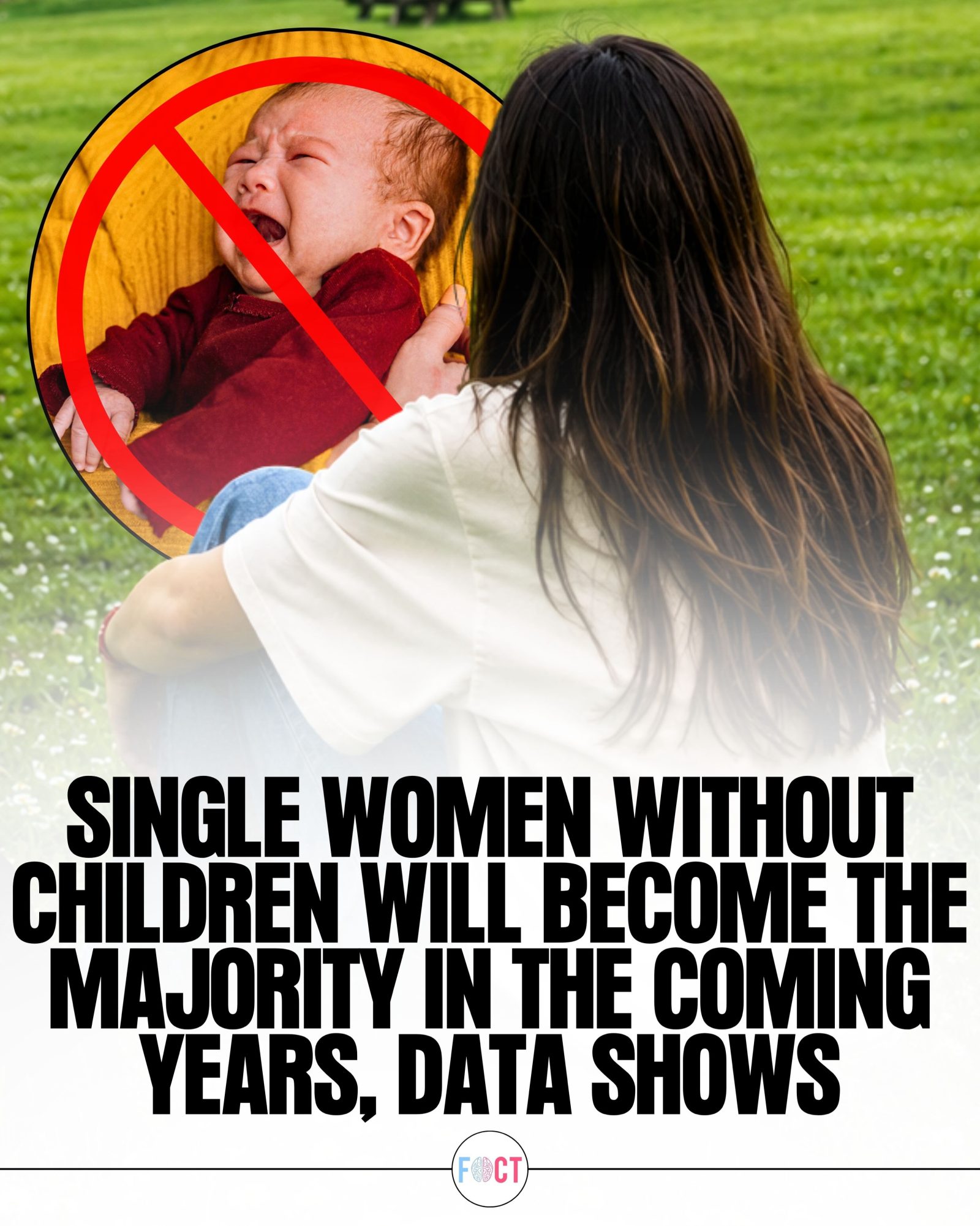
The Shift in Household Demographics: Single Women Without Children
Households are undergoing rapid transformation, with demographers predicting that single women without children will constitute a larger portion of households in many developed countries. This shift is driven by various factors, including later marriages, smaller families, and the choice to forgo parenthood. Understanding this demographic change offers insights into evolving societal trends and the priorities of modern women.
Why This Matters
The changing demographics of households reflect broader shifts in society. Rising education levels, financial independence, and longer life expectancy are all contributing to this trend. Additionally, cultural priorities are shifting, with many women placing a higher value on career growth, personal fulfillment, travel, and financial stability over traditional milestones like marriage and motherhood.
These changes have significant implications for policymakers, businesses, and society as a whole. Understanding the reasons behind these shifts and their potential impact can help shape more inclusive policies and practices.
The Changing Face of Households
Later Marriages and Smaller Families
One of the most notable trends is the delay in marriages. More women are pursuing higher education and establishing themselves in their careers before considering marriage. This trend is evident in the data, which shows that the average age at first marriage has been rising steadily over the past few decades.
Paralleling this trend is the decline in family size. Women are having fewer children, or choosing not to have children at all. This is partly due to the increasing financial and time commitments required to raise a family, as well as the growing acceptance of non-traditional family structures.
Financial Independence and Longer Life Expectancy
Financial independence plays a crucial role in the decisions women make about family life. With more women entering the workforce and achieving higher levels of education, they have greater control over their financial future. This independence allows them to prioritize personal and professional goals over traditional familial roles.
In addition, longer life expectancy means that women are living longer, healthier lives. This extended lifespan provides more opportunities for personal growth and exploration, making long-term commitments like marriage and parenthood less appealing to some.
Shifting Cultural Priorities
Society's views on what defines adulthood are changing. For many women, career growth, personal fulfillment, travel, and financial stability are now seen as more important markers of adulthood than marriage and motherhood. This shift in priorities reflects a broader cultural evolution towards valuing individualism and personal achievement.
Education and awareness about reproductive health and rights have also empowered women to make more informed decisions about their bodies and lives. This empowerment has led to a greater acceptance of non-normative life choices, including remaining single and childfree.
Practical Tips for Navigating the Shift
As society continues to change, it's important to adapt to these new realities. Whether you're a single woman without children or someone who interacts with this demographic, here are some practical tips:
Support Systems and Community
Building a strong support system is essential, especially for single women without children. This can include friends, family, and community groups that offer social and emotional support. Engaging with like-minded individuals can provide a sense of belonging and shared experiences.
Financial Planning
Financial planning is crucial for anyone, but it's particularly important for single women without children. This includes saving for retirement, investing in education, and planning for healthcare costs. It's also important to have an emergency fund in place to cover unexpected expenses.
Personal and Professional Development
Continuing to invest in personal and professional development can enhance quality of life and open up new opportunities. This could include pursuing further education, taking up new hobbies, or seeking out career advancement opportunities.
Important Takeaways
- Diverse Choices: More women are choosing to remain single and childfree, reflecting a broader shift in societal values and priorities.
- Financial Independence: Rising education levels and financial independence are enabling women to make more informed decisions about their lives.
- Support and Community: Building a strong support system can help single women navigate the challenges and opportunities that come with their lifestyle choices.
- Personal and Professional Growth: Ongoing personal and professional development can enhance quality of life and open up new opportunities.
Conclusion
The shift in household demographics, with single women without children becoming a larger share, reflects a broader transformation in societal values and priorities. Rising education levels, financial independence, and longer life expectancy are all contributing to this trend, as are evolving cultural norms. As these changes continue, it's essential to support and adapt to the diverse choices and lifestyles of modern women.
Watch the Reel
Questions readers ask
What are the primary factors driving the increase in single women without children households?
The primary factors include later marriages, the trend towards smaller families, and a growing number of women choosing not to have children. These shifts reflect changing priorities, financial independence, and evolving societal norms.
How does financial independence influence the rise of single women without children?
Financial independence allows women to make decisions about their personal lives without being constrained by economic necessity. It enables them to choose careers, pursue personal interests, and live independently, contributing to the rise in single women without children households.
What societal impacts can be expected from the increasing number of single women without children?
This demographic shift can influence various aspects of society, including changes in housing demand, consumer behavior, and policy-making. It may also challenge traditional gender roles and family structures.
Are there notable differences in the lifestyles of single women without children compared to other households?
Single women without children often prioritize different aspects of life, such as personal freedom, career advancement, and personal interests. Their lifestyle choices can include travel, hobbies, and social activities that might differ from those with children.
What role do cultural priorities play in the rise of single women without children?
Cultural priorities are shifting, with many women valuing personal fulfillment, career success, and independence over traditional family structures. This cultural shift encourages women to consider alternatives to conventional family life, including choosing to live as single women without children.
Related deep dives
Similar reads based on topic and creator.




Recent articles
Fresh deep dives from the latest Reels we unpacked.




Comments
Be the first to comment.