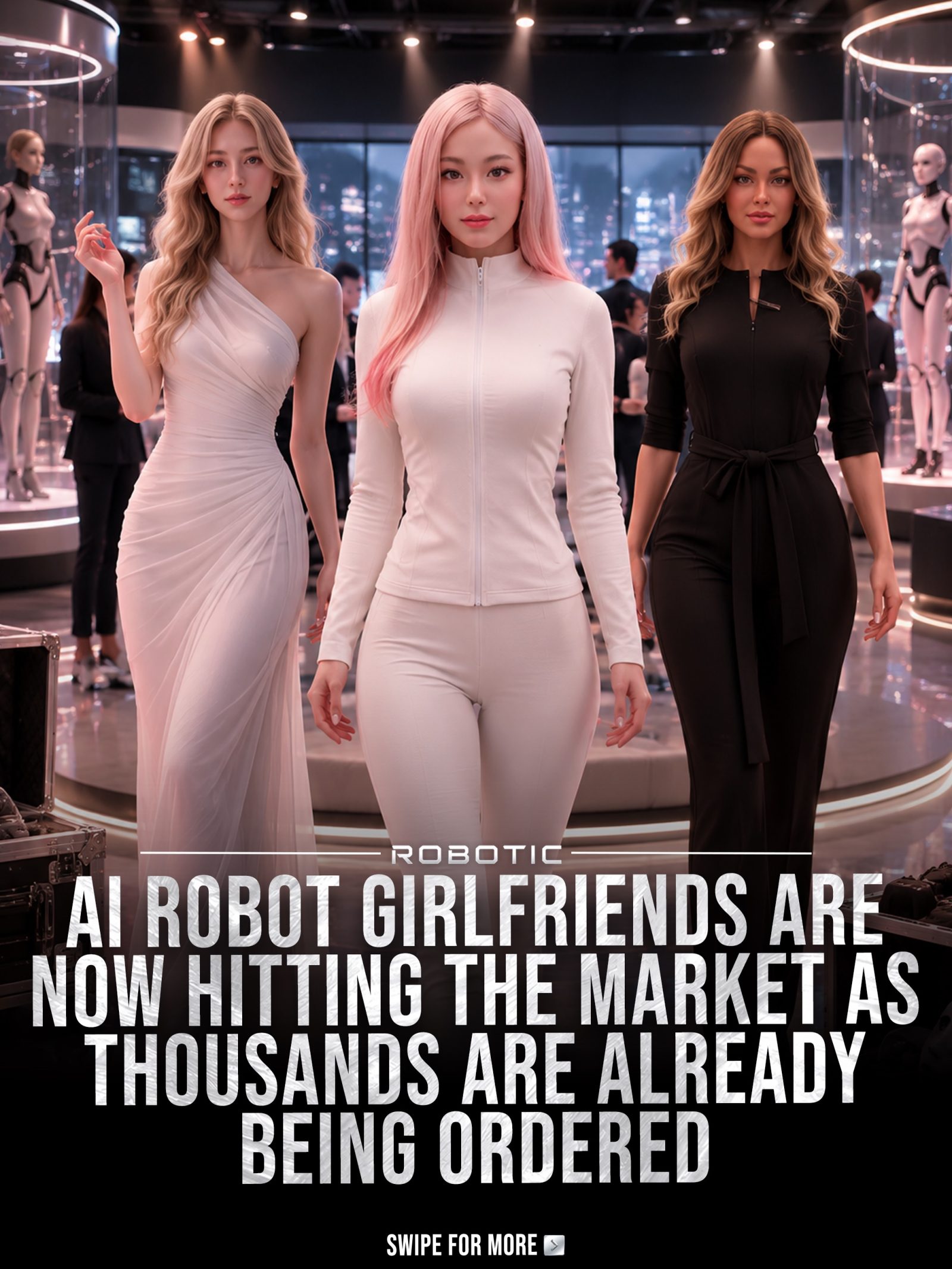
Robotic Girlfriends: The Future of AI Companions
AI companion robots, long a staple of science fiction, are becoming a reality. Companies are integrating conversational AI into physical humanoid bodies, creating robots that can engage in natural human interaction. These robots combine AI conversations, facial recognition, expressive movements, and lifelike designs to provide a more authentic companionship experience.
Why This Matters
The emergence of AI companion robots raises several important questions. As these robots become more advanced and integrated into daily life, they could play significant roles in homes, healthcare, education, and personal assistance. The advancements in robotics and artificial intelligence are accelerating, and the potential for these robots to become commonplace is growing.
The Evolution of AI Companions
From Apps to Physical Robots
The journey from AI companion apps to physical robots is a significant leap forward in technology. Initially, AI companions were confined to digital platforms, where users could interact with virtual personalities. Now, companies like DroidUp, Realbotix, and UBTECH are merging AI companions with physical robots, bringing a new level of realism and interaction to the experience. The DroidUp Moya, for instance, is a notable example of this evolution.
The DroidUp Moya: A Closer Look
One of the standout models in this new wave of AI companion robots is the DroidUp Moya. This robot is designed with silicone skin that mimics human skin, providing a more lifelike appearance. The DroidUp Moya costs approximately $173,000, reflecting the cutting-edge technology and high-quality materials used in its construction. The transition from digital to physical companions represents a significant investment but offers a more immersive and interactive experience.
Key Features of AI Companion Robots
Modern AI companion robots are equipped with a range of features that enhance their ability to interact with humans. These features include:
- AI Conversations: These robots can engage in natural conversations, understanding and responding to human language with increasing accuracy.
- Facial Recognition: This technology allows the robots to recognize and respond to human emotions and expressions, making interactions more meaningful.
- Expressive Movements: Advanced robotics enable these companions to mimic human movements, adding a layer of realism to their interactions.
- Lifelike Designs: The design of these robots is focused on creating a more human-like appearance, which can make them more appealing and less intimidating to users.
Practical Tips for Choosing an AI Companion Robot
While these robots are still in their early stages and primarily targeted at niche markets, there are several practical considerations to keep in mind if you're interested in purchasing one.
- Cost: Current models like the DroidUp Moya are expensive. Be prepared for a significant investment if you're considering one of these robots.
- Purpose: Consider why you want an AI companion robot. Are you looking for a personal assistant, a healthcare companion, or something else? Different models may be better suited to different needs.
- Integration: Think about how the robot will integrate into your home or workplace. Will it need specific infrastructure or support systems to function effectively?
Important Takeaways
As AI companion robots become more advanced and integrated into daily life, they offer both opportunities and challenges. These robots have the potential to revolutionize how we interact with technology, providing companionship, assistance, and support in ways that were previously unimaginable. However, they also raise important questions about privacy, ethics, and the nature of human-computer interaction.
Conclusion
AI companion robots are no longer just a futuristic concept; they are becoming a reality. With companies like DroidUp, Realbotix, and UBTECH leading the way, these robots are set to play an increasingly important role in our lives. Whether you're interested in the technology for personal, healthcare, or educational purposes, it's clear that AI companion robots are here to stay and will continue to evolve in exciting ways.
Watch the Reel
Questions readers ask
What are AI girlfriend robots and how do they function?
AI girlfriend robots are advanced humanoid machines designed to mimic human-like interactions. They use a combination of conversational AI, facial recognition, and expressive movements to engage in meaningful conversations and social experiences, making them appear more lifelike and interactive.
What are some potential uses of AI girlfriend robots in daily life?
These robots can assist in various aspects of daily life, such as providing companionship, helping with household tasks, offering emotional support, and even aiding in healthcare settings. Their ability to learn and adapt makes them valuable for personalized assistance and support.
How advanced is the AI technology behind these companion robots?
The AI technology behind these robots is highly advanced, using sophisticated algorithms to understand and respond to human language, emotions, and behaviors. Some models can even recognize facial expressions and adapt their responses accordingly, enhancing the realism of interactions.
What challenges might arise from the integration of AI girlfriend robots into society?
While AI girlfriend robots offer numerous benefits, their integration into society poses challenges. Issues include ethical considerations around human-robot relationships, potential job displacement in sectors where these robots are used, and concerns about dependence on AI companions.
What is the current state of the AI girlfriend robot market?
The AI girlfriend robot market is in a growth phase with companies like Moya and DroidUp leading the way. Advancements in robotics and AI are making these robots more accessible and affordable, leading to increased adoption in various settings, from personal homes to healthcare facilities.
How do AI girlfriend robots compare to AI robotics apps?
AI girlfriend robots offer a more immersive experience compared to apps. While apps provide interaction through screens, robots offer physical presence and lifelike interactions, which can be more satisfying for those seeking companionship and emotional support.
Related deep dives
Similar reads based on topic and creator.



Recent articles
Fresh deep dives from the latest Reels we unpacked.




Comments
Be the first to comment.