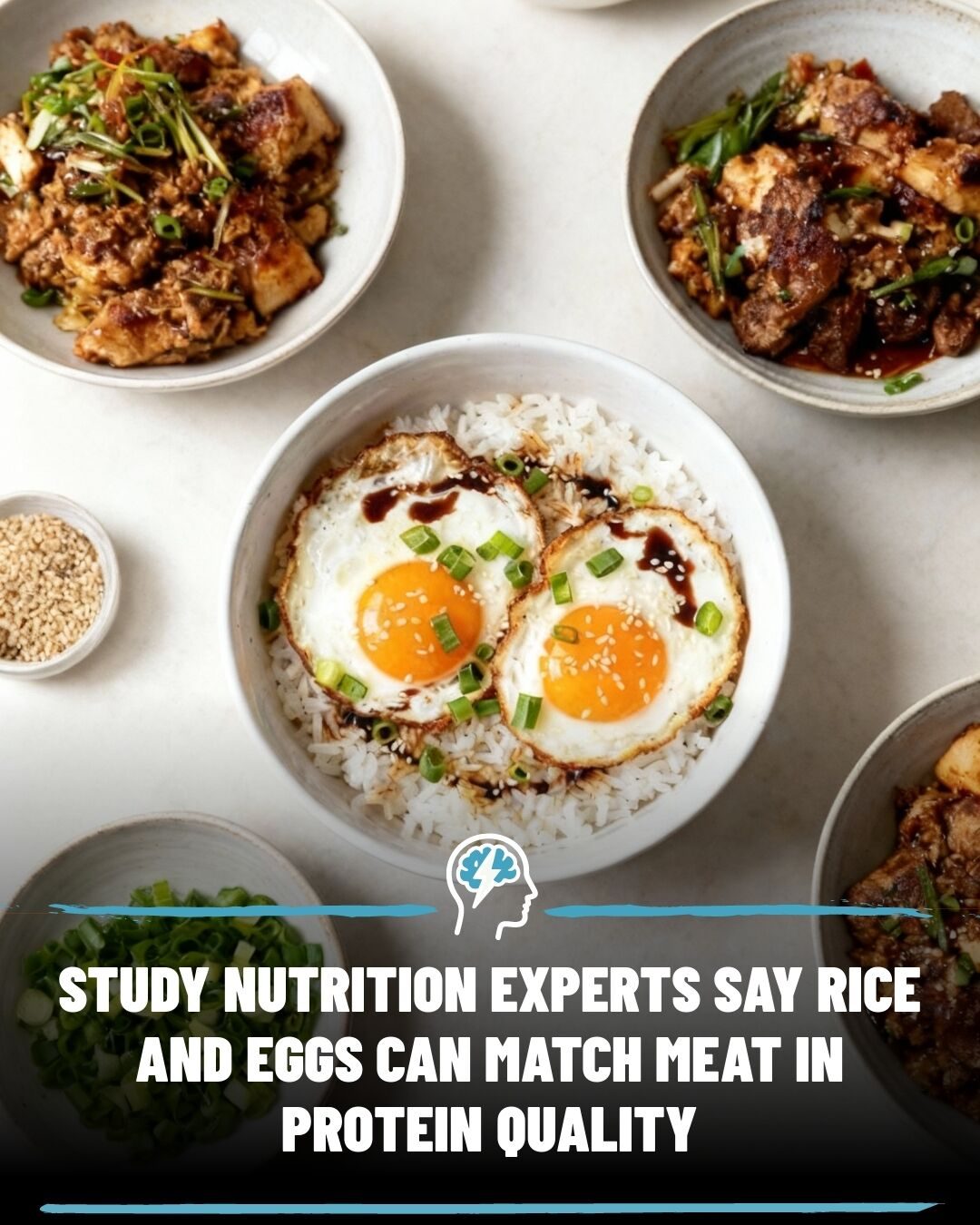
Protein-Rich Meal: Understanding the Science Behind Rice and Eggs
Rice and eggs are a classic combination, often praised for their nutritional benefits. This simple yet nutritious meal is a staple in many diets, but is it as effective as meat in terms of protein quality? Let's dive into the science behind this pairing to understand its true benefits.
Context: Why This Matters
The protein quality of a meal is measured by how well it provides the essential amino acids that our bodies need. This measurement is crucial for those aiming to maintain a balanced diet, especially for those who rely on plant-based proteins. Understanding the protein quality of rice and eggs can help you make informed decisions about your meal choices and ensure that you're getting the right nutrients.
Main Discussion
The Protein Quality of Eggs
Eggs are a complete protein, meaning they contain all nine essential amino acids your body needs. They score 100% on the Protein Digestibility-Corrected Amino Acid Score (PDCAAS), which measures protein quality and digestibility. This makes eggs an excellent source of protein, especially for those who don't consume meat.
The Protein Quality of Rice
Rice, on the other hand, is an incomplete protein. It lacks sufficient lysine, an essential amino acid, and scores only 35-57% on the PDCAAS scale. While rice is a good source of carbohydrates and provides some protein, it falls short in terms of amino acid composition compared to eggs.
Combining Rice and Eggs
When you combine rice and eggs, the protein quality of the meal doesn't magically improve to match that of meat. The overall protein score of the meal is actually diluted by rice's lower value, not enhanced. Research does not support claims that this combination can match the protein quality of meat, which scores around 92-94% on the PDCAAS scale.
Nutritional Benefits of Rice and Eggs
Despite the misconceptions about their protein quality, rice and eggs form a nutritionally balanced meal with complementary macronutrients. You get complete protein from the eggs, sustained-release carbohydrates from the rice, and an affordable option that works well for many people. This pairing remains a solid, budget-friendly choice for balanced nutrition.
The Importance of a Balanced Diet
Individual nutritional needs vary based on activity level, health goals, and dietary patterns. For example, an athlete might need more protein to support muscle recovery, while someone with a sedentary lifestyle might need fewer calories. It's essential to consider the overall diversity of your diet, rather than relying on any single combination of foods to meet your nutritional needs.
Practical Tips
- Diversify Your Protein Sources: Incorporate a variety of protein sources into your diet, including plant-based proteins like legumes, nuts, and seeds.
- Pair Complete and Incomplete Proteins: Combine incomplete proteins, like rice, with complete proteins, like eggs or legumes, to enhance the overall protein quality of your meal.
- Consume a Balanced Diet: Focus on a balanced diet that includes a variety of nutrients, not just protein. This will help ensure that you're meeting all of your nutritional needs.
Important Takeaways
- Eggs are a complete protein, while rice is an incomplete protein.
- Combining rice and eggs doesn't significantly improve the protein quality of the meal.
- This pairing remains a solid, budget-friendly choice for balanced nutrition, but it shouldn't be expected to replace meat gram-for-gram in terms of protein quality.
- A varied diet is essential for meeting all of your nutritional needs.
Conclusion
Rice and eggs are a delicious and affordable combination that offers a range of nutritional benefits. While the protein quality of this pairing doesn't match that of meat, it remains a solid choice for a balanced diet. Always remember to consider the overall diversity of your diet and your individual nutritional needs.
Watch the Reel
Questions readers ask
Why are eggs considered a complete protein while rice is not?
Eggs are a complete protein because they contain all nine essential amino acids in sufficient quantities. Rice, on the other hand, is low in the amino acid lysine, which makes it an incomplete protein. This means that while rice provides some protein, it does not offer the full range of amino acids that your body needs.
How does the protein quality of rice and eggs compare to that of meat?
Meat is often considered a high-quality protein source because it contains all the essential amino acids and has a high digestibility rating. Eggs also have a high protein quality, but rice has a lower protein quality due to its incomplete amino acid profile, so the combination of rice and eggs does not match the protein quality of meat.
Can combining rice and eggs improve the protein quality of the meal?
While combining rice and eggs can enhance the overall amino acid profile, the improvement in protein quality is limited. Rice lacks lysine, and while eggs provide this amino acid, the overall protein quality remains lower compared to meat or a more balanced plant-based combination.
What are the nutritional benefits of rice and eggs beyond protein?
Rice and eggs offer a range of other nutrients. Rice provides carbohydrates for energy, while eggs are rich in vitamins and minerals like vitamin B12, vitamin D, and choline. The combination can be a convenient and tasty way to support a balanced diet, particularly for those looking to limit meat consumption.
How can I improve the protein quality of a rice and eggs meal?
You can enhance the protein quality by adding other ingredients that are rich in lysine. For example, vegetables like beans, lentils, or chickpeas can complement the amino acid profile of the meal. These additions can help create a more balanced and complete protein source.
Are there health concerns associated with consuming rice and eggs frequently?
While rice and eggs can be a healthy part of your diet, frequent consumption of rice may lead to elevated levels of arsenic, which can be harmful over time. Additionally, consuming large amounts of eggs may increase cholesterol levels for some individuals. Moderation and variety in your diet can help mitigate these risks.
What are some alternative protein pairings to rice and eggs?
If you're looking to improve the protein quality of a meal, consider pairing rice with black beans, lentils, or tofu. These combinations provide a more complete amino acid profile, making them a better protein source compared to rice and eggs. Other options include quinoa with vegetables or whole grains with legumes.
Related deep dives
Similar reads based on topic and creator.



Recent articles
Fresh deep dives from the latest Reels we unpacked.




Comments
Be the first to comment.