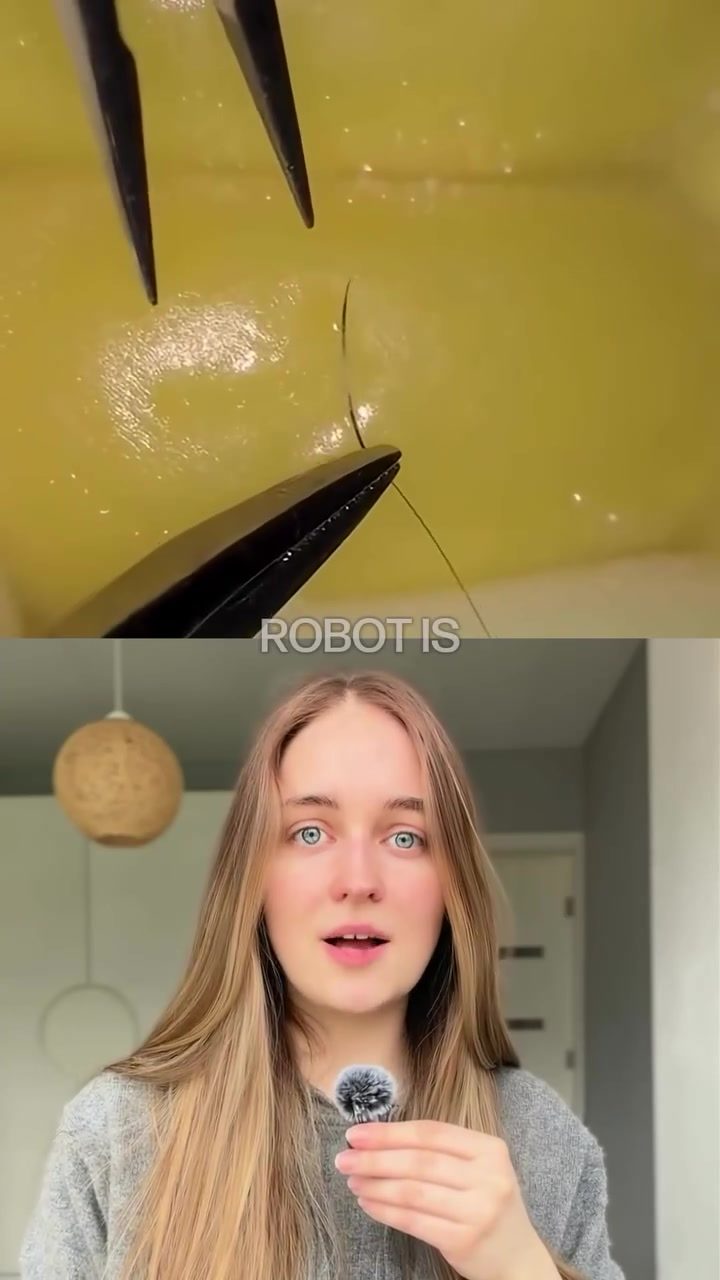
Surgery Robots: Revolutionizing Precision in Medical Procedures
Surgery robots are at the forefront of medical innovation, offering unprecedented precision in surgical procedures. These advanced medical devices allow doctors to perform intricate surgeries with minimal invasiveness, reducing complications and speeding recovery. The latest iterations of these robots are capable of performing surgeries that are ten times smaller in scale than previous models, opening up new possibilities in delicate procedures such as nerve repair and limb reattachment.
Why This Matters
The development of ultra-precise surgery robots represents a significant leap forward in medical technology. These robots are controlled by human doctors through a magnified camera, translating the doctor's movements into smaller, more precise actions. This precision is crucial for surgeries that require extreme delicacy, such as nerve repair and limb reattachment. By making smaller cuts, these robots reduce the risk of complications and accelerate the recovery process.
The Evolution of Surgical Robots
Previous versions of surgery robots could make cuts about the width of a fingertip or a grape. However, the latest models are designed to operate at a scale ten times smaller. This advancement allows for surgeries that were previously deemed impossible or highly risky. The ability to perform surgeries at such a micro-level opens up new avenues for treating conditions that require precise interventions, such as nerve damage and intricate limb repairs.
How Surgery Robots Work
Surgery robots operate by taking the doctor's real movements and scaling them down into smaller, more precise actions. This is achieved through a magnified camera that provides doctors with a detailed view of the surgical site. The robot then translates the doctor's movements into precise actions, allowing for highly accurate and minimally invasive surgeries. This technology not only enhances the precision of the procedure but also reduces the risk of human error, making surgeries safer and more effective.
Main Discussion
The Role of Magnified Camera
The magnified camera plays a crucial role in the operation of surgery robots. It allows doctors to see the surgical site in great detail, providing a clear view of the area being operated on. This enhanced visibility is essential for performing precise surgeries, as it enables doctors to make accurate cuts and stitches. The camera also helps in monitoring the progress of the surgery, ensuring that everything is proceeding as planned.
Precision and Minimally Invasive Surgeries
One of the key advantages of surgery robots is their ability to perform surgeries with high precision. This precision is achieved through the robot's ability to scale down the doctor's movements, allowing for smaller and more accurate cuts. Smaller cuts mean fewer complications and faster recovery times, making surgeries less invasive and more effective. This is particularly beneficial for delicate surgeries such as nerve repair and limb reattachment, where precision is critical.
Reducing Complications and Speeding Recovery
By making smaller cuts, surgery robots significantly reduce the risk of complications. Smaller incisions mean less tissue damage, reducing the chances of infection and other post-operative issues. Additionally, the precision of the cuts allows for faster healing, as the body has less damage to repair. This results in shorter recovery times, allowing patients to return to their normal lives sooner.
Applications in Nerve Repair and Limb Reattachment
Surgery robots are particularly useful in procedures that require extreme precision, such as nerve repair and limb reattachment. In nerve repair, the robot's ability to make micro-level cuts allows for precise repairs, reducing the risk of nerve damage and improving outcomes. In limb reattachment, the robot's precision ensures that the limbs are reattached accurately, enhancing the chances of successful reintegration and functionality.
Practical Tips
Training and Certification
To effectively use surgery robots, doctors must undergo specialized training. This training ensures that they are familiar with the robot's functionalities and can perform surgeries safely and efficiently. Certification programs are available for doctors who wish to specialize in robot-assisted surgery, providing them with the necessary skills and knowledge.
Maintenance and Upkeep
Regular maintenance and upkeep are essential for ensuring the optimal performance of surgery robots. This includes routine checks, calibration, and updates to the robot's software. Proper maintenance helps to prevent technical issues and ensures that the robot operates accurately and reliably during surgeries.
Patient Selection
Not all patients are suitable for surgery robot-assisted procedures. Doctors must carefully select patients based on their medical condition, the complexity of the surgery, and their overall health. Patient selection is crucial for ensuring the best possible outcomes and minimizing risks.
Important Takeaways
Surgery robots represent a significant advancement in medical technology, offering unprecedented precision in surgical procedures. Their ability to perform surgeries at a micro-level makes them ideal for delicate procedures such as nerve repair and limb reattachment. By reducing complications and speeding recovery, these robots are revolutionizing the way surgeries are performed, making them safer and more effective.
Conclusion
The development of ultra-precise surgery robots is a game-changer in the field of medicine. These advanced medical devices allow doctors to perform intricate surgeries with minimal invasiveness, reducing complications and speeding recovery. As technology continues to evolve, the potential applications of surgery robots will only continue to grow, offering new hope for patients in need of delicate and precise surgical interventions.
Watch the Reel
Questions readers ask
How do surgery robots achieve ultra-precise cuts?
Surgery robots achieve ultra-precise cuts through advanced technology that translates a doctor's movements into precise actions, allowing for minimal invasiveness. The robots are equipped with magnified vision, enabling doctors to perform intricate procedures with high accuracy, such as nerve repair and limb reattachment.
What are the advantages of minimally invasive surgery with robots?
Minimally invasive surgery with robots reduces complications and speeds recovery, and allows for procedures to be performed ten times smaller in scale than previous models. This approach offers greater precision, reduces tissue damage and results in quicker recovery times.
Who controls the robots during surgery?
During surgery, robots are controlled by human doctors. The doctor's movements are translated by the robot, allowing for precise and controlled actions. This ensures that the surgical procedure is performed with the same level of care and precision as a traditional surgery, but with added benefits.
What types of surgeries can be performed with robotic assistance?
With robotic assistance, a wide range of surgeries can be performed, including delicate procedures such as nerve repair and limb reattachment. The precision and minimal invasiveness of robotic surgery make it suitable for complex procedures that require high accuracy.
How do advancements in robotic surgery benefit patients?
Advancements in robotic surgery benefit patients by reducing recovery time and minimizing the risk of complications. Robotic surgery allows for smaller incisions, less tissue damage, and more precise cuts, leading to better outcomes and faster recovery.
Related deep dives
Similar reads based on topic and creator.




Recent articles
Fresh deep dives from the latest Reels we unpacked.



Comments
Be the first to comment.