Laser Text Removal: A Revolutionary Approach to Document Reuse
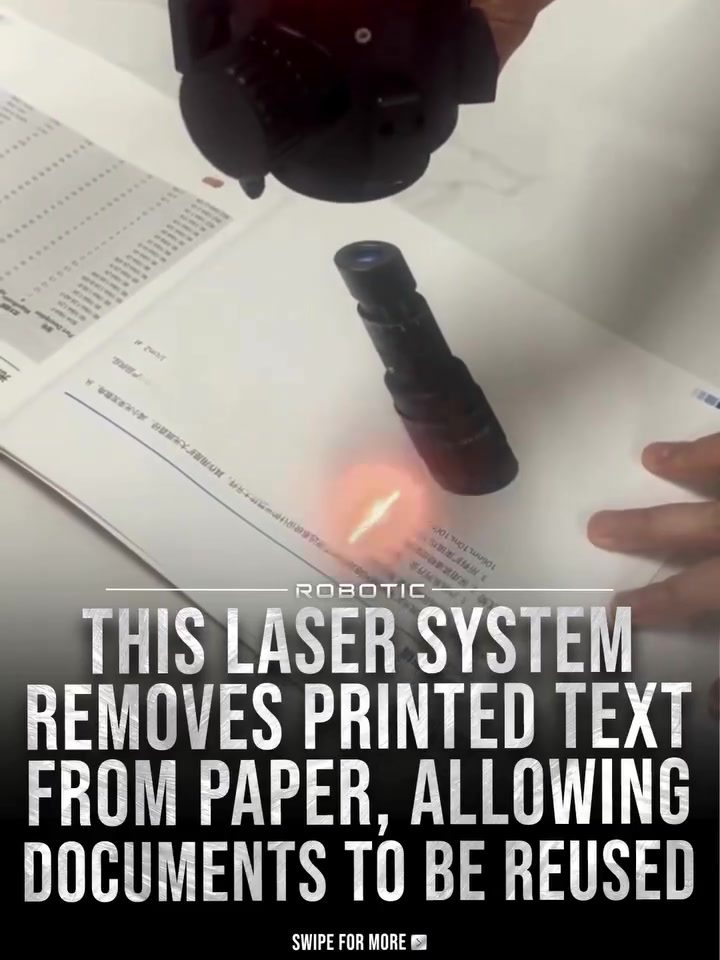
Laser text removal is transforming how documents are handled, offering a novel solution for industries seeking to reuse printed materials. This technology allows for the precise erasure of printed text from paper, making it possible to reuse documents without the need for conventional methods like shredding or recycling. The process involves using a laser device that emits highly focused laser pulses to remove text from the surface of the paper. This method is not only precise but also minimizes waste and reduces surface damage, making it an attractive option for various industries.
Context / Why This Matters
Text removal from documents has long been a challenge, particularly for industries that generate large volumes of printed materials. Traditional methods of document disposal, such as shredding or recycling, are often inefficient and can result in significant waste. Laser text removal offers a more sustainable and efficient solution.
By eliminating the need for chemical treatments or abrasive methods, laser technology helps to reduce environmental impact. This makes it an appealing option for businesses looking to adopt more eco-friendly practices. Additionally, the precision of laser text removal ensures that the underlying material remains largely untouched, preserving the integrity of the document for future use.
The Science Behind Laser Text Removal
How Laser Technology Works
Laser text removal utilizes highly focused laser pulses to target and remove printed text from paper. The laser beam is directed onto the surface of the document, where it vaporizes the ink particles without damaging the paper itself. This process is highly precise, allowing for targeted text removal even on complex documents.
Advantages Over Traditional Methods
Unlike abrasive blasting or chemical cleaning, laser technology minimizes waste and reduces surface damage. Traditional methods often involve harsh chemicals or mechanical abrasion, which can degrade the quality of the paper and make it unsuitable for reuse. In contrast, laser text removal is a non-contact process, meaning it does not require direct contact with the material. This reduces the risk of surface damage and ensures that the document remains in good condition for reuse.
Practical Applications
Laser text removal has a wide range of practical applications across various industries. From document management in offices to the preservation of historical documents, this technology offers numerous benefits.
Office Environments
In office settings, laser text removal can significantly reduce the volume of paper waste. Documents that are no longer needed can be easily cleaned and reused, saving both time and money. This not only reduces the environmental impact but also helps to maintain a more organized and efficient workspace.
Heritage Restoration
Historical documents often require careful handling to preserve their integrity. Laser technology offers a gentle yet effective solution for removing unwanted markings or annotations. This allows for the restoration of historical texts without the risk of damaging the original material.
Industrial Maintenance
Industries that rely on printed materials, such as manufacturing and aerospace, can benefit from laser text removal. It allows for the reuse of technical documents, manuals, and other printed materials, ensuring that valuable information is preserved while reducing the need for new printing.
How to Implement Laser Text Removal
Choosing the Right Equipment
When selecting a laser device, it is important to consider the specific needs of your application. Devices are available in various sizes and configurations, designed to handle different types of materials and text removal tasks. Ensure that the device you choose is capable of removing the specific type of text and ink you are working with.
Safety and Precautions
Although laser technology is generally safe, it is important to follow proper safety protocols when using a laser device. This includes wearing appropriate protective gear, such as safety glasses, and ensuring that the work area is well-ventilated to prevent the buildup of harmful fumes. Always read the manufacturer’s instructions and follow recommended guidelines for safe operation.
Important Takeaways
- Laser text removal is a precise and efficient method for reusing printed documents.
- It offers numerous environmental and economic benefits over traditional document disposal methods.
- The technology has a wide range of applications, from office environments to heritage restoration and industrial maintenance.
- Choosing the right equipment and following safety protocols are essential for successful implementation.
Conclusion
Laser text removal represents a significant advancement in document management and reuse. By offering a precise, efficient, and environmentally friendly solution, this technology is poised to become a standard practice in various industries. Whether you are looking to reduce waste in an office setting, preserve historical documents, or maintain industrial materials, laser text removal provides a reliable and effective option. As the demand for sustainable and efficient solutions continues to grow, laser text removal is set to play an increasingly important role in document management and reuse.
Watch the Reel
Questions readers ask
What is laser text removal and how does it work?
Laser text removal is a technology that uses a laser device to remove printed text from paper. The laser emits highly focused pulses that precisely erase the text without damaging the underlying paper, allowing for document reuse. This process is both precise and eco-friendly, making it a sustainable option for document management.
How does laser text removal contribute to sustainable document management?
Laser text removal minimizes waste by enabling the reuse of documents. Instead of recycling or shredding documents, this technology allows for the precise removal of unwanted text, preserving the paper and reducing the need for new paper production. This makes it an eco-friendly solution for handling printed materials.
In which industries can laser text removal be particularly beneficial?
Laser text removal can be highly beneficial for industries that generate large volumes of printed documents, such as legal, medical, and financial sectors. These industries often need to handle sensitive information and can use this technology to clean and reuse documents securely, while reducing waste and cost associated with traditional document disposal methods.
How precise is the laser text removal process?
Laser text removal is known for its high precision. The laser pulses are finely tuned to target and remove only the printed text, leaving the rest of the paper intact. This level of precision ensures that the underlying material remains undamaged and can be reused for new print jobs, maintaining the integrity of the paper.
Can laser text removal handle various types of printed documents?
Yes, laser text removal can handle a wide range of printed documents, including those with different types of ink and paper quality. The technology is versatile and can be adjusted to suit various document types, making it a flexible solution for different industries and applications.
What are the environmental benefits of using laser text removal?
Laser text removal reduces the need for paper recycling and shredding, which in turn decreases the environmental impact associated with these processes. By allowing for the reuse of paper, this technology helps conserve resources and minimizes waste, contributing to a more sustainable approach to document management.
Related deep dives
Similar reads based on topic and creator.


Recent articles
Fresh deep dives from the latest Reels we unpacked.




Comments
Be the first to comment.