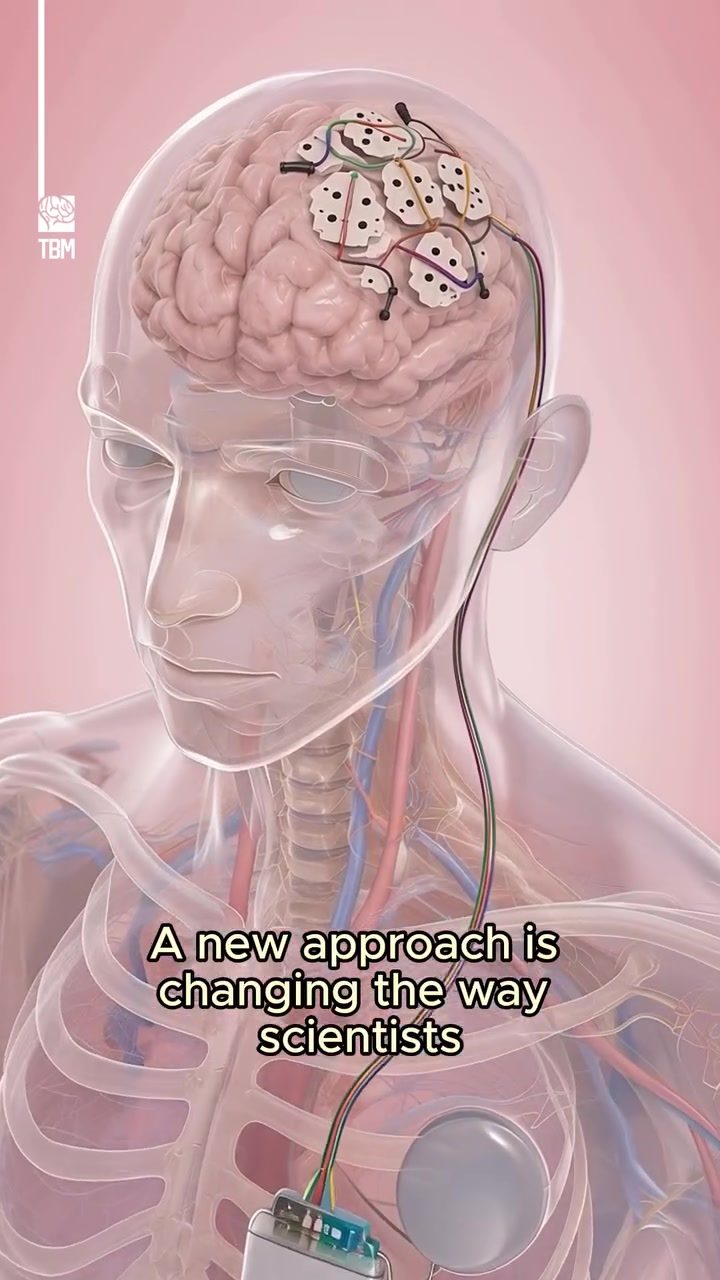
A New Approach to Treating Glioblastoma with Grace
For decades, glioblastoma has been one of the most formidable brain cancers, notorious for its rapid regrowth and adaptive nature. Traditional treatments like surgery, chemotherapy, and radiation have long struggled to keep pace with the tumor's aggressive behavior. However, a new approach is emerging, offering a glimmer of hope for improved outcomes. This approach revolves around an innovative medical device known as Grace, developed by the UK medtech company QV Bioelectronics.
Why This Matters
The five-year survival rate for glioblastoma patients is alarmingly low, hovering around 3%. This grim statistic underscores the urgent need for more effective, targeted treatments. Grace stands out as a potential breakthrough by addressing a critical weakness in cancer cells: their rapid division cycle. By delivering continuous electric fields directly to the tumor site, Grace promises to disrupt the process of cell replication, thereby damaging tumor cells without significantly affecting healthy brain tissue.
The Science Behind Grace
Targeting Cancer Cell Division
Grace operates on a principle that distinguishes it from conventional treatments. Rather than relying on surgery, chemotherapy, or radiation, Grace uses continuous electric fields to interfere with the rapid division of cancer cells. This targeted approach is crucial because it exploits a fundamental difference between cancer cells and healthy cells: cancer cells replicate much faster, making them more susceptible to disruption by electric fields.
Immediate Post-Surgical Treatment
One of the most compelling features of Grace is its ability to commence treatment immediately after tumor removal. Unlike external systems that require shaved heads and daily wear for extended periods, Grace is implanted during the tumor removal surgery. This immediate intervention is critical in preventing tumor regrowth, which is a common challenge in glioblastoma treatment.
Spreading Healthy Brain Tissue
A significant advantage of Grace is its selective targeting of cancer cells. The electric fields generated by the device specifically disrupt the replication process of tumor cells, leaving healthy brain tissue largely unaffected. This precision is a major step forward in medical technology, as it minimizes the collateral damage often associated with aggressive treatments.
Practical Tips for Understanding Grace
For Healthcare Professionals
Understanding the potential of Grace involves recognizing its unique advantages over traditional treatments. Healthcare professionals should be aware of its immediate post-surgical application, which allows for prompt intervention. Additionally, its targeted approach to cancer cell disruption can offer a more precise and less invasive treatment option for patients.
For Patients and Their Families
Patients and their families should be informed about the potential benefits of Grace, particularly its ability to start treatment immediately after surgery. This immediate intervention can significantly reduce the risk of tumor regrowth, offering a more hopeful prognosis. Additionally, the targeted nature of the treatment means that healthy brain tissue is largely spared from damage, which can improve overall quality of life during and after treatment.
Important Takeaways
Immediate Post-Surgical Intervention
Grace's ability to start treatment immediately after tumor removal is a game-changer. This immediate intervention is crucial in preventing the rapid regrowth that often characterizes glioblastoma.
Targeted Treatment
The use of electric fields to disrupt cancer cell replication is a targeted approach that minimizes damage to healthy brain tissue. This selectivity is a significant advancement in medical technology, offering a more precise and less invasive treatment option.
Potential Breakthrough
If successful, Grace could represent a major breakthrough in making glioblastoma more survivable. Its unique approach to targeting cancer cells while sparing healthy tissue offers a promising new avenue for treatment.
Conclusion
Grace, developed by QV Bioelectronics, represents a significant advancement in the treatment of glioblastoma. By delivering continuous electric fields directly to the tumor site, it disrupts the replication process of cancer cells without significantly affecting healthy tissue. Its immediate post-surgical application and targeted approach offer a more precise and less invasive treatment option, potentially improving survival rates and quality of life for patients. As medical technology continues to evolve, innovations like Grace provide a glimmer of hope in the ongoing battle against one of the deadliest brain cancers.
Watch the Reel
Questions readers ask
How does the Grace medical device work to treat glioblastoma?
The Grace medical device works by delivering continuous electric fields directly to the tumor site. This non-invasive process disrupts the replication of cancer cells, targeting them specifically while minimizing damage to healthy brain tissue. It is designed to start immediately after tumor removal, which helps to reduce the risk of regrowth.
What are the advantages of using Grace over traditional glioblastoma treatments?
Grace offers several advantages over traditional treatments. It can start treatment immediately after surgery, reducing the risk of regrowth. Unlike chemotherapy and radiation, it targets cancer cells specifically, sparing healthy tissue from damage. This approach minimizes side effects and offers a new, less invasive option for patients.
How quickly can Grace be initiated after brain tumor surgery?
One of the key benefits of the Grace device is the immediate initiation of treatment. It can be started right after the tumor is removed, significantly reducing the time between surgery and the beginning of therapeutic intervention. This rapid start is crucial in minimizing the risk of cancer cell regrowth.
Is the Grace device a suitable alternative for all brain tumor patients?
While Grace shows great promise, it is specifically designed for patients with glioblastoma. Its effectiveness for other types of brain tumors has not been extensively studied. It is important for patients and their healthcare providers to consider all available treatment options and consult with medical professionals to determine the best approach for their specific situation.
Can the Grace device be used in conjunction with other treatments?
The use of Grace alongside other treatments, such as chemotherapy or radiation, has not been extensively studied. Currently, Grace is designed to be a standalone treatment that begins immediately after tumor removal. Patients should consult with their healthcare providers to understand how Grace might fit into their overall treatment plan.
What makes continuous electric field therapy different from other brain tumor therapies?
Continuous electric field therapy, as delivered by the Grace device, is unique because it specifically targets cancer cells by disrupting their replication process. Unlike traditional treatments such as chemotherapy and radiation, which can affect both cancerous and healthy cells, Grace's electric fields are designed to minimize damage to healthy brain tissue, offering a more targeted and less invasive approach.
How is the Grace device applied to the patient?
The Grace device is applied externally to the patient's head. It uses a set of electrodes to deliver continuous electric fields directly to the tumor site. This non-invasive method allows for targeted treatment without the need for additional surgical procedures, making it a convenient and patient-friendly option for post-surgery care.
Related deep dives
Similar reads based on topic and creator.

Recent articles
Fresh deep dives from the latest Reels we unpacked.




Comments
Be the first to comment.