The Promise of Tooth Regrowth: A Revolutionary Drug Enters Clinical Trials
A groundbreaking development in the field of regenerative dentistry is underway with the launch of human clinical trials for the world's first drug designed to stimulate the growth of new teeth. Researchers in Japan, under the banner of Longevitycoded, have developed an experimental therapy that targets a protein called USAG-1, which is known to suppress tooth development. This innovative approach has shown promising results in animal studies, successfully triggering the growth of new teeth and paving the way for human testing.
The clinical trial aims to evaluate the drug's safety and effectiveness in adults with missing teeth. If the initial results are positive, the researchers plan to expand the testing to include children with congenital tooth deficiencies. The ultimate goal is to make the treatment widely available by around 2030, offering a revolutionary alternative to traditional dental implants and dentures.
Context: The Need for Tooth Regeneration
Tooth loss is a common issue that affects millions of people worldwide. Whether due to decay, injury, or congenital conditions, missing teeth can significantly impact an individual's quality of life, affecting everything from self-esteem to nutrition and overall health. Current solutions, such as dental implants and dentures, while effective, come with their own set of challenges, including high costs, invasive procedures, and maintenance requirements. The development of a drug that can regrow teeth would represent a monumental shift in dental care, providing a more natural and potentially more accessible solution.
Main Discussion
The Science Behind Tooth Regrowth
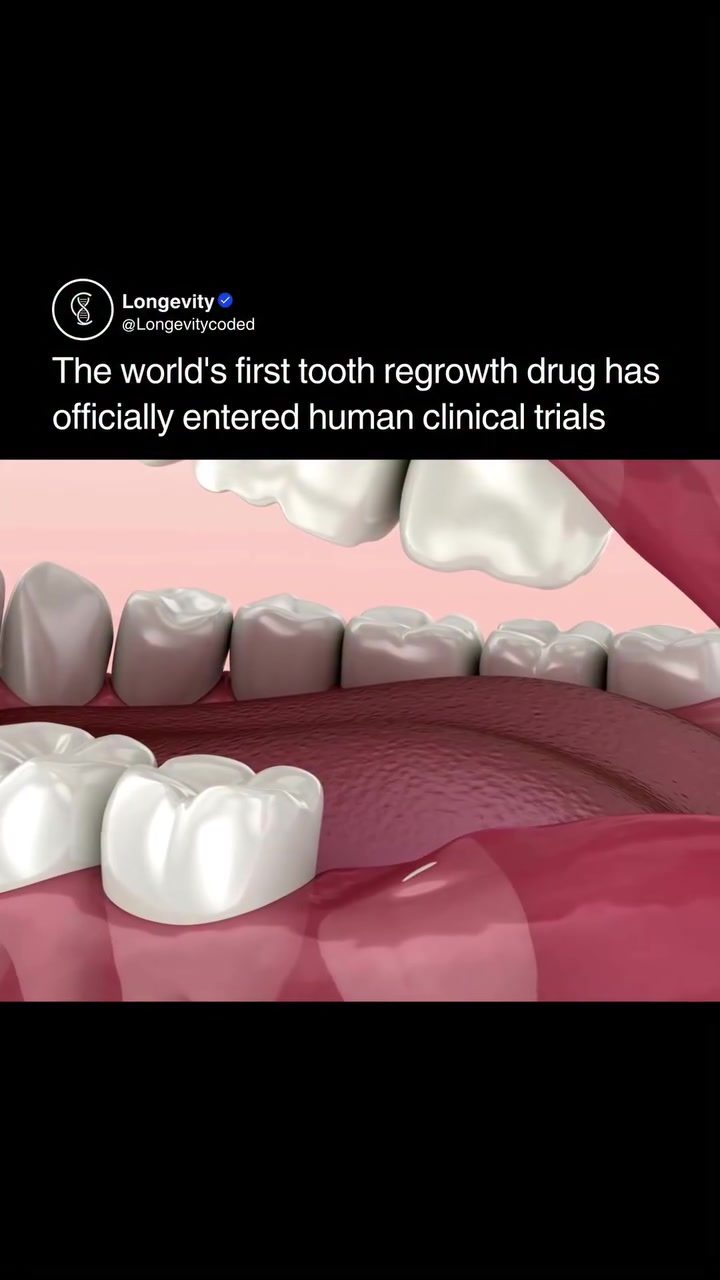
The key to this revolutionary drug lies in its ability to block the protein USAG-1. This protein is responsible for suppressing the development of teeth, acting as a natural brake on tooth regeneration. By inhibiting USAG-1, the drug allows the body's natural regenerative processes to proceed, potentially leading to the growth of new teeth. The process is visualized through 3D renderings of teeth and gums, illustrating the potential for new tooth growth directly from the gum tissue.
The Clinical Trial Process
The initial phase of the clinical trial focuses on adults with missing teeth. This phase is crucial for assessing the drug's safety and effectiveness in humans. Researchers will monitor participants closely to ensure that the drug does not cause any adverse reactions. If the results are encouraging, the next step will be to expand the trial to include children with congenital tooth deficiencies, a condition where teeth fail to develop properly from birth.
Potential Impact on Dental Care
If successful, this drug could revolutionize dental care by offering a non-invasive, natural alternative to existing treatments. Dental implants, while effective, require surgical procedures and can be costly. Dentures, on the other hand, may not provide the same level of comfort and functionality as natural teeth. A drug that can regrow teeth would address these issues, potentially improving the lives of millions of people worldwide.
Practical Tips for Understanding and Following the Development
While the drug is still in the experimental stages, staying informed about its progress is essential. Here are some practical tips for keeping up with the latest developments:
- Follow Credible Sources: Keep an eye on reputable medical and dental journals for updates on the clinical trial's progress.
- Contact Research Institutions: Reach out to the institutions conducting the trials for more information and to express interest in future studies.
- Stay Engaged with the Community: Join online forums and communities focused on dental health and regenerative medicine to stay updated and share experiences.
Important Takeaways
The launch of human clinical trials for a tooth regrowth drug marks a significant milestone in regenerative dentistry. This drug, developed by Longevitycoded, has the potential to revolutionize dental care by providing a natural and non-invasive solution to tooth loss. The trial's success could pave the way for broader availability of the treatment, offering hope to millions of people affected by missing or deficient teeth. As the clinical trial progresses, staying informed and engaged with the development will be crucial for understanding the potential impact of this groundbreaking therapy.
Conclusion
The world's first tooth regrowth drug entering human clinical trials is a testament to the incredible advancements in regenerative medicine. This drug, which targets the protein USAG-1 to stimulate tooth growth, holds the promise of a future where dental implants and dentures may become a thing of the past. As the clinical trials progress, the potential for this therapy to transform dental care and improve the quality of life for millions of people is immense. Keeping abreast of the latest developments and staying engaged with the scientific community will be key to understanding the full potential of this revolutionary treatment.
Watch the Reel
Questions readers ask
What is the primary goal of the new drug entering human trials for tooth regrowth?
The primary goal of the new drug is to stimulate the growth of new teeth by targeting a protein that inhibits tooth development. This offers a potential alternative to traditional dental implants and dentures.
Who is conducting the human trials for the revolutionary tooth regrowth drug?
The human trials are being conducted by researchers in Japan under the banner of Longevitycoded.
What protein does the experimental tooth regrowth therapy target?
The experimental therapy targets a protein called USAG-1, which is known to suppress tooth development. By inhibiting this protein, the drug aims to promote new tooth growth.
What stages are planned for the clinical trials of the tooth regrowth drug?
The initial stage of the clinical trial aims to evaluate the drug's safety and effectiveness in adults with missing teeth. If successful, the researchers plan to expand the testing to a broader scope.
How has the tooth regrowth drug performed in previous studies?
The drug has shown promising results in animal studies, successfully triggering the growth of new teeth and demonstrating its potential for human application. This success led to the initiation of human clinical trials.
What are the potential benefits of the tooth regrowth therapy if successful?
If successful, this innovative therapy could regenerate teeth and significantly improve the quality of life for millions of people with missing or deficient teeth, providing a more natural and effective solution compared to traditional dental implants and dentures.
What makes this tooth regrowth drug a revolutionary development in dentistry?
This drug is revolutionary because it represents the first of its kind designed to stimulate the growth of new teeth, offering a potential alternative to traditional dental implants and dentures. Its success could transform the field of dentistry by providing a new, natural approach to tooth replacement.
Recent articles
Fresh deep dives from the latest Reels we unpacked.




Comments
Be the first to comment.