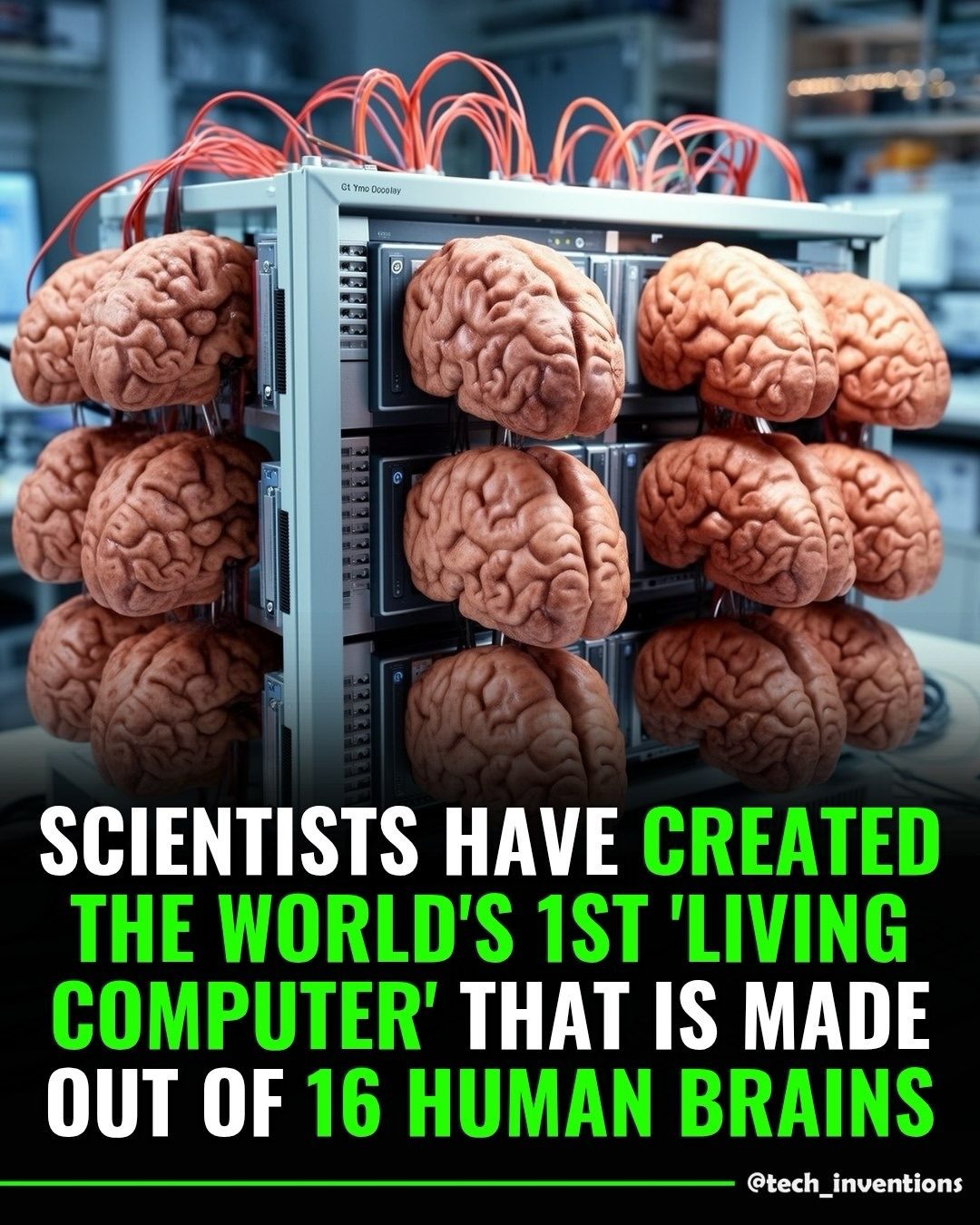
Living Computers Made of Brains
The world of technology is on the brink of a revolutionary shift with the creation of the first-ever "living computer" made from actual human brain tissue. This groundbreaking innovation, developed by the biocomputing startup FinalSpark, represents a monumental leap in the integration of biology and technology.
The living computer, constructed using 16 lab-grown clumps of brain cells (organoids), functions much like a traditional silicon chip, capable of sending and receiving data. However, unlike conventional supercomputers that consume an astounding 21 megawatts of power, this biological "wetware" operates on a mere 10 to 20 watts, making it an incredibly energy-efficient alternative. The organoids, derived from stem cells and trained using dopamine, are housed in a specialized nutrient incubator. This setup ensures that the living neurons actively learn and process information, making the platform highly adaptable and capable of evolving over time. These organoids are replaced every 100 days, ensuring continuous and reliable operation.
The Power of Bioluminescent Computing
FinalSpark has harnessed the power of bioluminescent computing, which is the use of living biological organisms to perform computing tasks. This technology is a radical departure from traditional silicon-based computing, which relies on electronic circuits to process information. By leveraging the natural abilities of living cells, FinalSpark's living computers can perform complex computations with unprecedented efficiency.
The living computer operates through a unique process. Information is transferred to the "brain" via electrodes, which stimulate the organoids to process data in a manner similar to how neurons function in the human brain. This biological approach to computing has the potential to revolutionize various fields, from artificial intelligence to healthcare.
The Role of FinalSpark
FinalSpark is at the forefront of this biotechnological revolution. Co-founded by Fred Jordan and Martin Kutter, the company has made significant strides in merging software with raw human biology. The living computer is not just a futuristic concept—it is already an active online platform accessible to global researchers. FinalSpark’s innovation paves the way for energy-efficient cloud computing, offering a sustainable solution to the energy demands of modern technology.
Energy Efficiency and Sustainability
One of the most compelling aspects of this living computer is its energy efficiency. Traditional digital supercomputers require a vast amount of power to function, contributing significantly to global energy consumption. In contrast, the living computer utilizes a fraction of the energy, making it a more sustainable option for the future.
The use of living tissue to perform computations also opens up possibilities for reducing the environmental impact of technology. As data centers and supercomputers continue to expand, finding more efficient and sustainable solutions becomes critical. The living computer represents a significant step towards a greener computing future, reducing the carbon footprint of technology.
Potential Applications and Impact
The implications of this technology are far-reaching. Merging software with human biology could unlock new understandings of the human mind, leading to unprecedented advances in neuroscience and potentially revolutionizing the treatment of neurological diseases. The ability to process information using living tissue could provide insights into how our brains work, paving the way for new therapies and cures.
This innovation bridges the gap between artificial intelligence and a more organic form of computing, offering a unique approach to solving complex problems. By leveraging the natural processing power of living cells, researchers can explore new frontiers in artificial intelligence, potentially leading to more intuitive and adaptive AI systems.
Practical Tips
While the living computer is still in its early stages, there are practical steps that researchers and enthusiasts can take to stay informed and engaged with this exciting new field.
-
Follow FinalSpark: Keeping an eye on the developments from FinalSpark will provide the latest updates and breakthroughs in biocomputing. Their official channels and publications offer valuable insights into how this technology is evolving.
-
Engage with the Community: The field of biocomputing is growing rapidly, and engaging with the online community can provide a wealth of knowledge and collaboration opportunities. Participating in forums, attending webinars, and joining research groups can be highly beneficial.
-
Stay Updated on Research: Keeping up with the latest research papers and publications in the field of biocomputing can provide a deeper understanding of the technology and its potential applications. Academic journals and scientific conferences are excellent resources for staying informed.
Important Takeaways
The living computer represents a major milestone in the field of biocomputing. By harnessing the power of living brain tissue, FinalSpark has demonstrated that it is possible to create a highly efficient and sustainable computing platform. This innovation has the potential to revolutionize artificial intelligence, cloud computing, and neuroscience, offering new insights into the human mind and paving the way for unprecedented advancements in technology and medicine.
Conclusion
The creation of a living computer made from human brain tissue marks a significant leap forward in the integration of biology and technology. FinalSpark's groundbreaking work in biocomputing offers a sustainable and efficient alternative to traditional computing systems, with far-reaching implications for various fields. As this technology continues to evolve, it promises to unlock new possibilities and revolutionize our understanding of the human mind, paving the way for innovative solutions in healthcare and artificial intelligence. The future of organic AI is here, and it is more exciting than ever.
Watch the Reel
Questions readers ask
How do living computers made from human brain tissue function?
Living computers use lab-grown brain cells called organoids, which are trained to process information similarly to neurons. These organoids can send and receive data, much like a traditional silicon chip, but with the added benefits of biological efficiency and adaptability.
What are the energy efficiency benefits of living computers?
Living computers operate on significantly less power than conventional supercomputers. While traditional supercomputers consume around 21 megawatts, living computers made from 16 organoids can function on just 10 to 20 watts, making them an incredibly energy-efficient alternative.
What are brain tissue organoids, and how are they created?
Brain tissue organoids are lab-grown clumps of brain cells derived from stem cells. They are cultivated in a controlled environment to mimic the structure and function of human brain cells. These organoids are then trained using specific neurotransmitters, such as dopamine, to process information.
How does the development of living computers impact fields like artificial intelligence and healthcare?
Living computers promise to revolutionize fields like artificial intelligence by offering unprecedented adaptability and processing capabilities. In healthcare, these innovations could lead to breakthroughs in understanding and treating neurological disorders, as well as advancements in bioengineered neurons and neural networks.
What makes living computers different from traditional silicon-based computing?
Living computers differ from traditional silicon-based computing in their biological composition and energy efficiency. They use lab-grown brain cells that process information organically, making them more adaptable and energy-efficient compared to silicon chips.
What is the role of neurotransmitters like dopamine in the functionality of living computers?
Neurotransmitters like dopamine play a crucial role in training and regulating the organoids in living computers. They help to modify and reinforce the neural connections within the organoids, enabling them to process and transmit information effectively.
Related deep dives
Similar reads based on topic and creator.


Recent articles
Fresh deep dives from the latest Reels we unpacked.




Comments
Be the first to comment.