Brain Health and Exercise
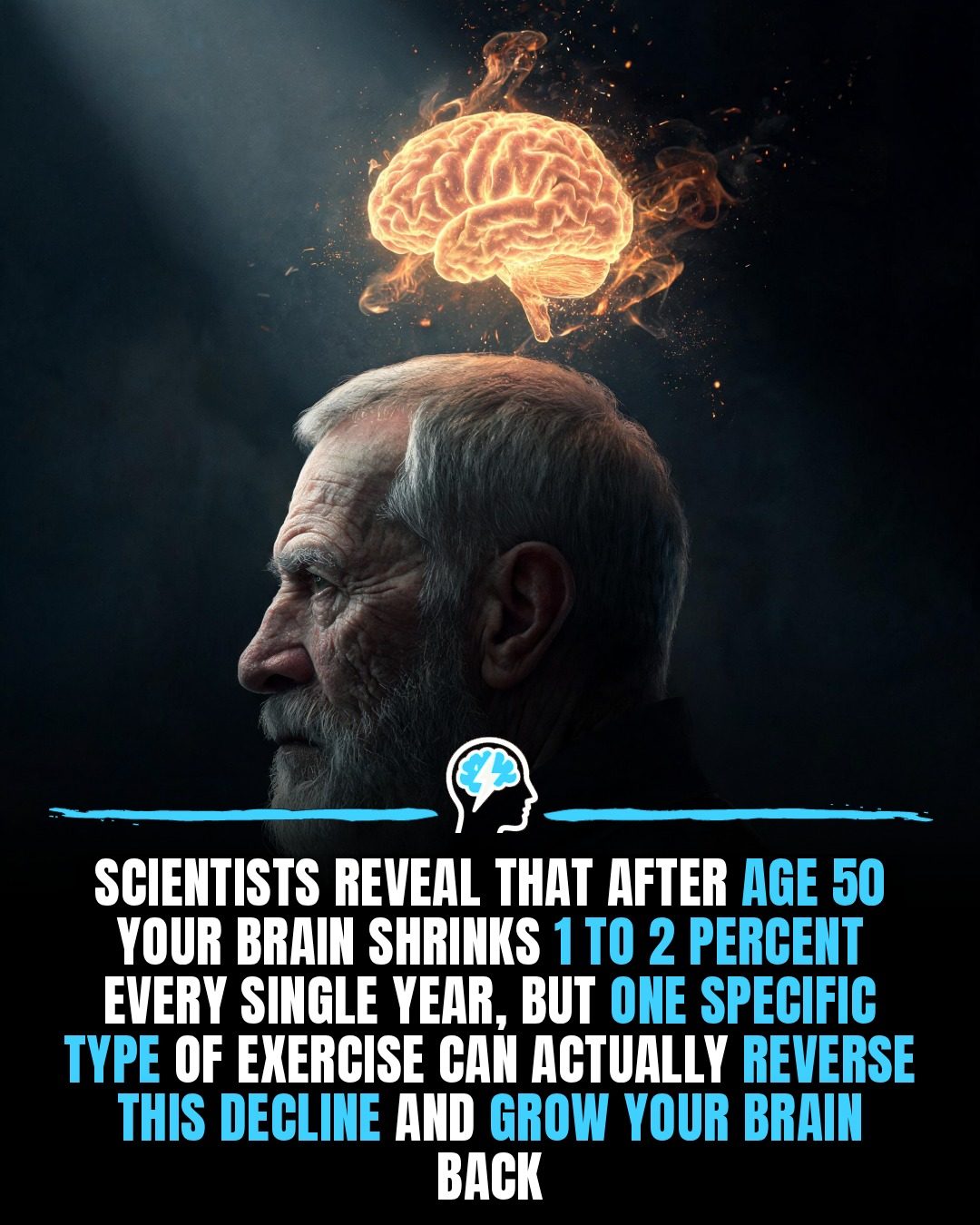
Brain health is a critical aspect of overall well-being, especially as we age. After 50, the brain naturally loses mass, a decline that can be subtle but significant. Researchers have observed that the hippocampus, the region responsible for new memories and cognitive flexibility, shrinks by 1 to 2 percent each year. Fortunately, there are proactive steps you can take to combat this decline and even promote brain growth.
Why This Matters
Understanding the connection between exercise and brain health is vital for maintaining cognitive function as we age. Engaging in specific types of physical activity can reverse some of the natural brain shrinkage, enhancing memory, learning, and overall mental acuity. This information can empower individuals to make informed choices about their physical activity, ultimately leading to a healthier, more vibrant lifestyle.
The Science Behind Brain Health and Exercise
The Impact of Aging on the Brain
As we age, the brain undergoes various changes that can affect cognitive function. One of the most notable changes is the reduction in brain volume, particularly in the hippocampus. This shrinkage can lead to difficulties in forming new memories and adapting to new situations. However, recent studies have shed light on how certain exercises can mitigate these effects.
How Aerobic Exercise Promotes Brain Growth
Aerobic exercise has been shown to have a profound impact on brain health. Engaging in activities like brisk walking or jogging at a moderate intensity can stimulate the production of brain-derived neurotrophic factor (BDNF). This protein acts like fertilizer for the brain, helping neurons survive and encouraging the formation of new ones. This is particularly beneficial for areas of the brain involved in learning and memory, such as the hippocampus.
Clinical Trials and Real-World Results
Clinical trials have provided compelling evidence that aerobic exercise can reverse brain atrophy. Older adults who engaged in moderate-intensity exercise showed a real increase in hippocampus volume, effectively turning back the clock on brain shrinkage by one to two years. This demonstrates that consistent physical activity can have a powerful and measurable impact on brain health.
Practical Tips for Brain-Healthy Exercise
While the benefits of aerobic exercise are clear, it's essential to understand how to incorporate it into your routine effectively. Here are some practical tips to help you get started:
Start with Moderate-Intensity Activities
Aim for at least 150 minutes of moderate-intensity activity per week. This can be broken down into smaller, more manageable sessions. A daily 30-minute walk, for example, is a great way to start. Consistency is key, as the brain needs ongoing stimulation to hold onto these gains.
Incorporate Variety
While aerobic exercise is crucial, incorporating other types of physical activity can also benefit brain health. Resistance training, for instance, can improve executive function and attention span. This is because movement increases blood flow and oxygen to neural tissue, providing a richer environment for brain cells to thrive.
Focus on Enjoyment
Choose activities that you enjoy, as this will make it easier to stick with them in the long run. Whether it's walking, cycling, swimming, or dancing, finding pleasure in your exercises will help maintain your motivation and commitment.
Lifestyle Changes for Brain Health
In addition to exercise, making broader lifestyle changes can support brain health. Regular activity lowers inflammation, a major driver of age-related brain shrinkage. Reducing stress, maintaining a healthy diet, and getting adequate sleep are also crucial for cognitive well-being.
Important Takeaways
Brain health is intrinsically linked to physical activity, particularly aerobic exercise. The benefits are not just theoretical; they are backed by clinical trials and real-world results. By incorporating moderate-intensity aerobic exercise into your weekly routine, you can reverse brain atrophy and promote growth in critical areas of the brain. This not only helps maintain cognitive function but also supports overall mental acuity and resilience.
The Role of BDNF
BDNF plays a crucial role in brain health by promoting neuronal survival and the formation of new neurons. Aerobic exercise sparks the production of this essential protein, effectively nourishing the brain and keeping it capable of change, even in later adulthood.
The Importance of Consistency
Consistency is key when it comes to brain health. Regular physical activity is essential for maintaining the gains made through exercise. Aim for at least 150 minutes of moderate-intensity activity per week, and consider incorporating a variety of exercises to keep things interesting and beneficial.
Conclusion
Taking proactive steps to maintain and enhance brain health through exercise is a powerful investment in your future well-being. By understanding the science behind brain atrophy and growth, you can make informed choices about your physical activity. Incorporating aerobic exercise and other forms of movement into your routine can reverse the natural decline in brain volume, supporting cognitive function and overall mental health. Whether you're brisk walking, jogging, or lifting weights, every step counts towards a healthier, more vibrant brain.
Watch the Reel
Questions readers ask
What types of exercise are best for reducing brain shrinkage after 50?
Aerobic exercises, such as brisk walking, jogging, or swimming, are particularly effective. These activities stimulate the production of a protein that supports neuron survival and growth, helping to maintain or even increase brain volume, especially in the hippocampus, which is crucial for memory and learning.
How does exercise improve memory and mental acuity in older adults?
Exercise enhances memory and mental acuity by promoting neuroplasticity, the brain's ability to adapt and form new connections. Regular physical activity increases blood flow and oxygen to the brain, which supports the growth of new neurons and the formation of new neural pathways, leading to improved cognitive function.
What is the recommended intensity and duration of exercise for brain health in seniors?
Moderate-intensity exercises, where you break a sweat but can still carry on a conversation, are ideal. Aim for at least 150 minutes of this type of exercise per week, spread across several days. This can include activities like brisk walking, cycling, or dancing.
Can exercise reverse brain aging and loss of brain volume?
Yes, certain exercises can help reverse or slow down brain aging and loss of brain volume. Regular aerobic exercise can stimulate the production of proteins that support neuron growth and survival, effectively promoting brain growth in areas like the hippocampus, which naturally shrinks with age.
What are some brain fitness tips for seniors to maintain cognitive function?
Incorporate a mix of physical and mental activities into your routine. Physical activities like walking or swimming, along with mentally stimulating activities such as puzzles or learning new skills, can help maintain cognitive function. Aim for consistency in your exercise routine and stay socially active to support overall brain health.
How does exercise benefit the hippocampus, the region of the brain responsible for memory?
Exercise benefits the hippocampus by promoting the production of proteins that support neuron survival and growth. Activities like aerobic exercise can increase the size of the hippocampus, which is essential for forming and retaining new memories, as well as for cognitive flexibility and spatial navigation.
What specific cognitive benefits can older adults expect from regular exercise?
Regular exercise can enhance various aspects of cognitive function, including improved memory, better focus, and increased mental acuity. These benefits are due to the increased blood flow, oxygen, and production of proteins that support the growth and survival of neurons in the brain, leading to better overall cognitive performance.
Related deep dives
Similar reads based on topic and creator.



Recent articles
Fresh deep dives from the latest Reels we unpacked.




Comments
Be the first to comment.