The Future of Robotic Manipulation: Reversible Robotic Hands
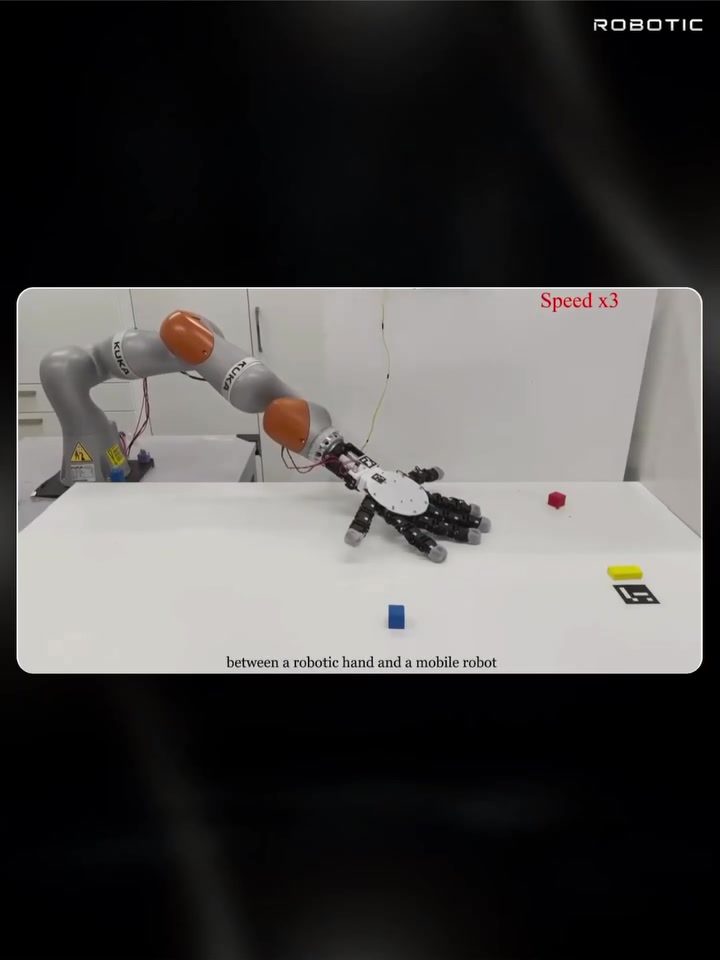
Robotic hands designed to detach and reattach are revolutionizing how robots interact with their environments, especially in settings where traditional robots face limitations. These innovative devices, showcased by the KUKA robotic hand and mobile robot, enable a level of versatility and adaptability that is crucial for industrial automation, exploration, and service robotics.
Why This Matters
The ability of a robotic hand to detach from its arm and operate independently transforms how robots can handle objects and navigate cluttered or complex spaces. This technology is not just about enhancing efficiency but also about expanding the operational capabilities of robots in various fields.
The Innovation of Reversible Robotic Hands
Design and Functionality
The KUKA robotic hand stands out for its symmetrical design, which allows it to grip objects from multiple angles. This design feature is particularly useful in tight or cluttered environments where conventional robotic arms would struggle. The hand's multiple fingers, which can function like thumbs, provide highly flexible manipulation capabilities.
Key Features
- Detachable Arm: The robotic hand can detach from its arm to crawl and retrieve objects that are out of reach for a conventional robotic arm. This feature is especially valuable in environments with limited space or complex layouts.
- Pinch Grasp: The hand demonstrates a pinch grasp using two fingers, showcasing its precision and agility in handling delicate or small objects.
- Mobility and Manipulation: By combining mobility and object handling in a single device, this robotic hand can operate in environments where traditional robots struggle. This dual functionality makes it a versatile tool for various applications.
Transformation and Flexibility
The ability to transform between different robotic forms is a critical aspect of the KUKA robotic hand. The process of converting back into a functional robotic hand after detaching highlights the hand's versatility. It can switch from a mobile robot to a gripping device, making it adaptable to different tasks and environments.
Applications in Industrial Automation
The reversible robotic hand has immense potential to transform industrial automation. Its ability to handle objects and navigate complex spaces makes it ideal for:
- Manufacturing: Automating tasks that require precise handling of small or delicate components.
- Warehousing and Logistics: Efficiently retrieving and transporting items in cluttered storage areas.
- Quality Control: Performing inspection tasks in tight spaces where human access is limited.
Exploration and Service Robotics
Beyond industrial applications, the reversible robotic hand can also revolutionize exploration and service robotics. In exploration missions, such as those in space or underwater, the ability to detach and maneuver independently can be invaluable. For service robotics, it means more effective and efficient assistance in healthcare, cleaning, and other service industries.
Challenges and Future Directions
While the reversible robotic hand represents a significant advancement, several challenges need to be addressed. These include:
- Durability: Ensuring the hand can withstand the wear and tear of constant detachment and reattachment.
- Integration: Developing seamless integration with existing robotic systems to enhance overall functionality.
- Cost: Making the technology cost-effective for widespread adoption in various industries.
Future developments in this area are likely to focus on improving these aspects, making the technology more robust and accessible.
Practical Tips for Implementing Reversible Robotic Hands
Assessing Needs
Before integrating a reversible robotic hand into your operations, assess your specific needs. Identify the tasks that would benefit most from the hand's capabilities, such as handling delicate objects or navigating complex environments.
Training and Maintenance
Provide adequate training for your staff on how to use and maintain the robotic hand. Regular maintenance is crucial to ensure the hand's durability and performance.
Integration with Existing Systems
Ensure that the robotic hand can seamlessly integrate with your existing robotic systems. This might involve custom programming or hardware modifications to maximize the hand's capabilities.
Important Takeaways
The reversible robotic hand, as showcased by the KUKA robotic hand and mobile robot, represents a groundbreaking development in robotics. Its ability to detach, maneuver independently, and perform precise tasks makes it a versatile tool for various applications. As this technology continues to evolve, it has the potential to revolutionize industrial automation, exploration missions, and service robotics.
Conclusion
The future of robotic manipulation is here with the advent of reversible robotic hands. These innovative devices offer unparalleled versatility and adaptability, making them ideal for a wide range of applications. By integrating these hands into your operations, you can enhance efficiency and effectiveness, opening up new possibilities for automation and exploration.
Watch the Reel
Related deep dives
Similar reads based on topic and creator.


Recent articles
Fresh deep dives from the latest Reels we unpacked.




Comments
Be the first to comment.