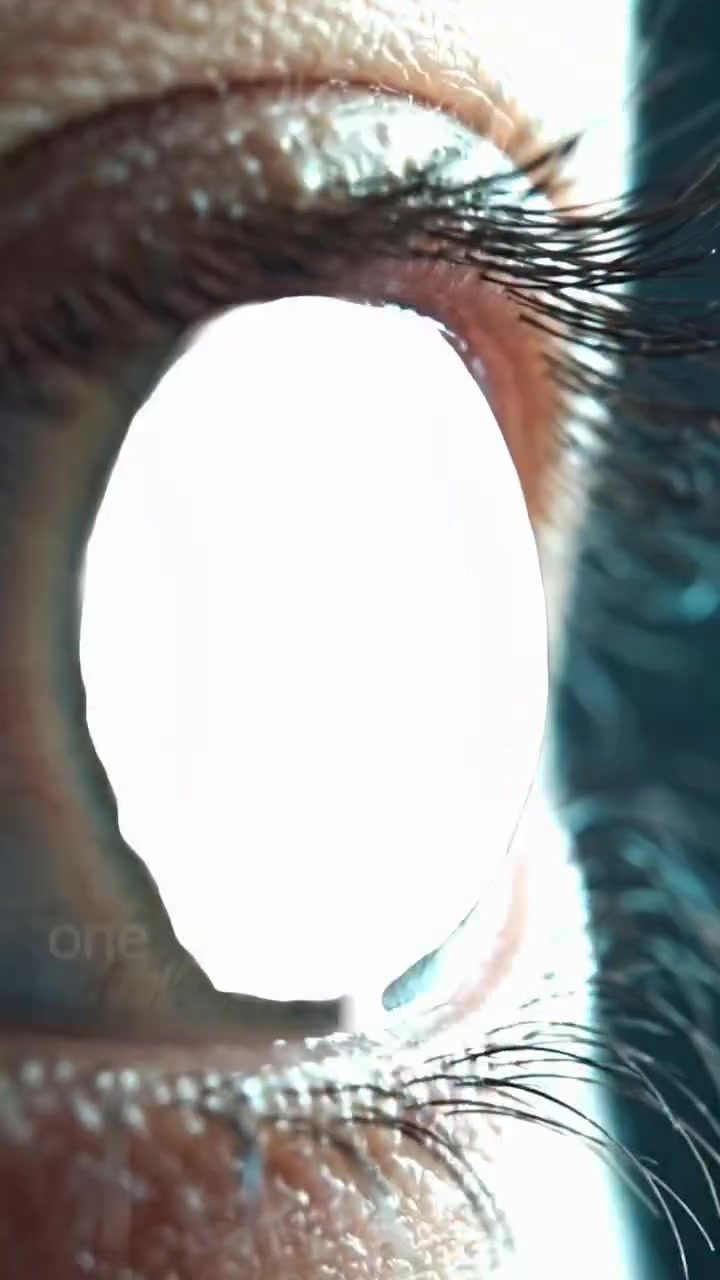
Photographing the Eye: AI and the Future of Neurodevelopmental Disorder Detection
A single photograph of your eye could soon revolutionize the way neurodevelopmental disorders like autism and ADHD are detected. This groundbreaking possibility is the result of a high school student's passion project that has since evolved into a powerful tool called RetinaMind. This tool uses AI to analyze retinal images and identify patterns associated with neurodevelopmental disorders.
Why This Matters
The potential for early detection of neurodevelopmental disorders cannot be overstated. Early intervention is crucial for improving outcomes for individuals with autism and ADHD, and RetinaMind offers a promising path toward achieving this goal.
Understanding RetinaMind
The Brain- Eye Connection
The retina is not just a part of the eye; it is integral to the nervous system. During fetal development, the retina and the brain grow from the same tissue. This shared origin means that changes in brain development can manifest in the retina, albeit at a microscopic level, invisible to the naked eye. This is where AI comes in. By analyzing retinal images, AI can detect these subtle changes that indicate neurodevelopmental issues.
How It Works
RetinaMind is designed to identify microscopic patterns within retinal images. These patterns are undetectable to humans but can be processed by AI algorithms. The AI was trained on thousands of retinal images, allowing it to distinguish between autism, ADHD, and neurotypical development with an accuracy of around 89% in its testing dataset.
The Journey of Edward Kang
Edward Kang, the 17-year-old who developed RetinaMind, began his journey with a simple school science project. While reading research papers, he discovered that scientists believed the retina could contain clues about autism. Intrigued, Kang taught himself machine learning and spent years refining the research, leading to the creation of RetinaMind.
Practical Tips
Interpreting RetinaMind Results
RetinaMind is not a diagnostic tool. Instead, it serves as a screening mechanism to flag individuals who may need further evaluation. Think of it as a pre-screening step that can alert doctors to the need for a more in-depth assessment.
Benefits for Families
For families, the potential of RetinaMind lies in its ability to provide earlier answers. Early detection can lead to earlier interventions, which can significantly improve the quality of life for individuals with neurodevelopmental disorders. Instead of waiting for symptoms to become pronounced, families can start interventions sooner, offering a completely different future.
Limitations and Considerations
It's important to note that RetinaMind is not a replacement for doctors. The goal is to provide an additional tool that can assist in the early identification of neurodevelopmental disorders, not to replace professional medical diagnoses.
Important Takeaways
RetinaMind represents a significant advancement in the early detection of neurodevelopmental disorders. By leveraging AI to analyze retinal images, it offers a non-invasive, efficient way to identify potential issues early on. This early detection can lead to timely interventions, greatly enhancing the quality of life for individuals with neurodevelopmental disorders.
Conclusion
The story of RetinaMind is a testament to the power of curiosity, innovation, and the potential of AI. What started as a high school project has the potential to transform the field of neurodevelopmental disorder detection. As research continues and technology advances, the possibilities for early intervention and support are endless.
Watch the Reel
Questions readers ask
How does RetinaMind AI work to detect autism and ADHD?
RetinaMind AI analyzes retinal images using advanced algorithms to identify specific patterns and markers linked to autism and ADHD. By examining these patterns, the AI can provide insights that may indicate the presence of these neurodevelopmental disorders, enabling earlier intervention.
What makes retinal images useful for detecting neurodevelopmental disorders?
Retinal images offer a non-invasive way to observe the health and development of the retina, which is connected to the brain by the optic nerve. Certain patterns and abnormalities in the retina can serve as clues to underlying neurodevelopmental issues, making them a valuable resource for early detection.
Can RetinaMind AI diagnose autism and ADHD independently?
RetinaMind AI is designed to assist in the detection process by identifying patterns that may be associated with autism and ADHD. However, it is not intended to replace professional medical diagnosis. The tool's findings should be used in conjunction with other assessments and evaluations by healthcare professionals.
How accurate is RetinaMind AI in detecting autism and ADHD?
The accuracy of RetinaMind AI is continually being refined through ongoing research and development. While the tool has shown promising results, it is important to note that no single method can provide a definitive diagnosis. The AI's accuracy improves with more data and advanced algorithms, making it a valuable addition to the diagnostic process.
Who developed RetinaMind AI, and how did it come about?
RetinaMind AI was initially developed as a high school passion project. It has since evolved into a sophisticated tool through the dedication and innovation of its creators, who recognized the potential of retinal images in detecting neurodevelopmental disorders and improving outcomes for individuals with autism and ADHD.
What are the benefits of early detection for autism and ADHD using RetinaMind AI?
Early detection of autism and ADHD through RetinaMind AI allows for timely intervention, which can significantly improve long-term outcomes. Early interventions can include specialized therapies, behavioral support, and tailored educational strategies that help individuals with these conditions develop essential skills and integrate more effectively into society.
How does the process of using RetinaMind AI for an eye scan work?
Using RetinaMind AI for an eye scan involves taking a photograph of the retina. The image is then analyzed by the AI to detect patterns associated with autism and ADHD. This process is non-invasive and relatively quick, making it accessible for individuals of all ages, including young children who may have difficulty undergoing more complex diagnostic procedures.
Related deep dives
Similar reads based on topic and creator.


Recent articles
Fresh deep dives from the latest Reels we unpacked.




Comments
Be the first to comment.