Gunshots Heard Near the White House: Reporter's Reaction Goes Viral
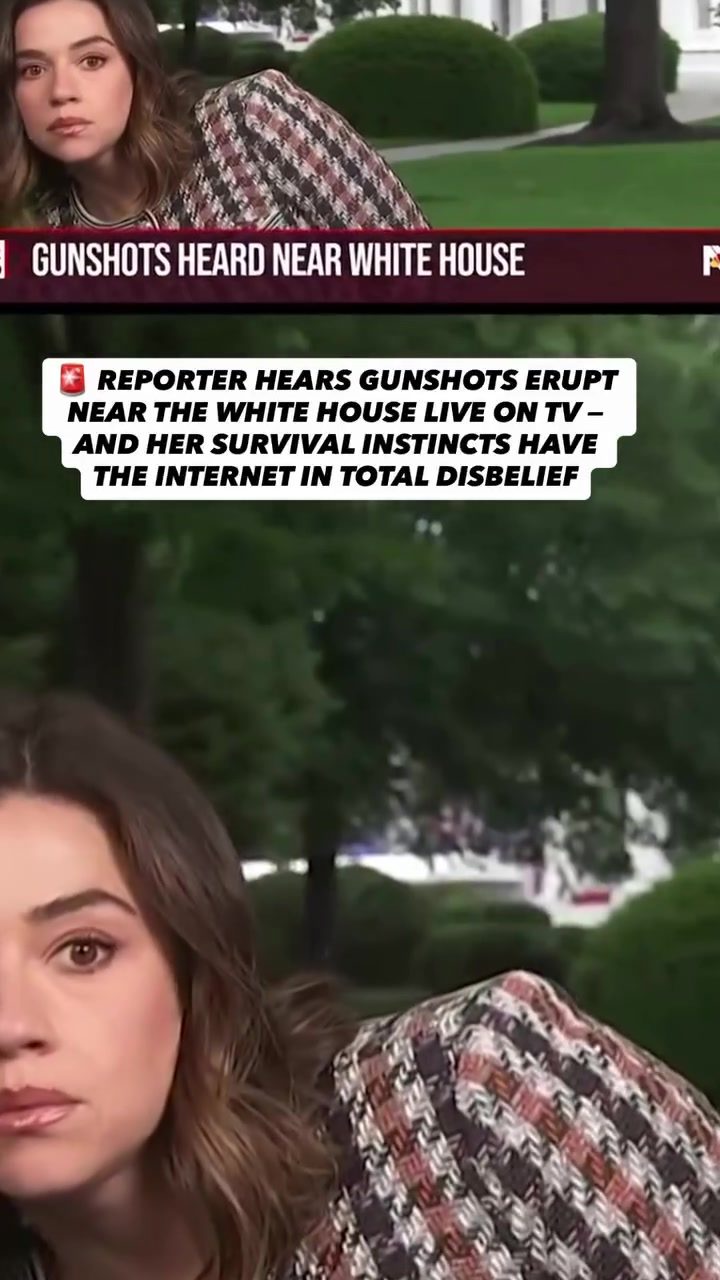
On May 23, 2026, an unexpected incident near the White House captured national attention. A reporter on the scene suddenly heard gunshots erupting live on television, and her reaction quickly went viral. The scene unfolded as the reporter, visibly reacting to the sudden noise, appeared confused and slowly looked around, contrasting sharply with other reporters who instantly ducked for cover.
Context: Why This Matters
The White House, as a high-security location, is rarely the site of such incidents, and any disturbance that occurs is immediately newsworthy. The reporter's reaction, broadcast live, presented a unique and unexpected moment in media coverage. It became a focal point for both criticism and empathy from viewers, highlighting the varied responses to unexpected and dangerous situations.
The Incident: A Real-Time Reaction
The gunshots erupted suddenly, and the reporter’s initial response was one of confusion. "What is that?" she muttered, trying to comprehend the sudden noise. Other reporters, experienced in handling such situations, immediately sought cover, diving for safety as the shots rang out. This stark contrast in reactions sparked a wave of commentary online, with viewers sharing their opinions and analyses.
The Internet's Reaction
The internet’s response was swift and polarized. Some viewers criticized the reporter’s delayed reaction, suggesting her survival instincts were lacking. Comments like “Her survival instincts are running on dial-up” and “Every other reporter hit the deck instantly” highlighted the disbelief and concern over her slow response.
Others defended the reporter, noting that recognizing real gunfire in high-stress moments can be challenging. Many people do not immediately recognize the sound of gunshots, especially in unexpected and intense situations. This perspective offered a more empathetic view, acknowledging the complexity of human reactions under pressure.
Comparing Reactions
The side-by-side comparisons between the reporter and her peers became a central talking point. The footage showed other reporters diving for cover almost instantaneously, while the reporter in question took a few moments to process what was happening. This delayed reaction was met with a mix of amusement and concern, leading to numerous memes and online discussions.
Implications for Media and Public Safety
The incident underscores the importance of situational awareness and immediate response in high-risk environments. For journalists and reporters, especially those covering events near secure locations, understanding and recognizing dangerous sounds like gunfire is crucial.
Training and Preparedness
Training for journalists typically includes scenarios that prepare them for various situations, including sudden and unexpected events. However, the reality of these situations can still be overwhelming, as the reporter’s reaction demonstrated. This incident may prompt a review of training protocols, emphasizing the importance of immediate recognition and response to potential threats.
Public Perception and Media Responsibility
The viral nature of the incident also highlights the power of social media in shaping public perception. The quick dissemination of footage and commentary can turn a news event into a trending topic, influencing how viewers perceive the situation and the individuals involved. This underscores the responsibility of media outlets to provide accurate and context-appropriate coverage, maintaining a balance between sensationalism and responsible reporting.
Practical Tips for Staying Safe in High-Risk Situations
For anyone working in high-risk environments, staying safe is paramount. Here are some practical tips:
- Stay Alert: Always be aware of your surroundings and potential threats.
- Immediate Action: In the event of unexpected or dangerous sounds, react immediately and seek cover if necessary.
- Training: Regularly undergo training that includes simulations of high-stress situations to better prepare for real-life events.
- Documentation: Document the incident as accurately as possible but ensure personal safety always comes first.
Important Takeaways
The incident near the White House highlighted several important points:
- Reaction Time: Immediate response is crucial in dangerous situations. However, recognizing the source of the threat can be challenging.
- Public Opinion: Social media can amplify reactions and perceptions, leading to varied and sometimes critical commentary.
- Media Responsibility: Responsible reporting is essential in keeping the public informed without sensationalizing the event.
Conclusion
The reporter’s reaction to the gunshots near the White House sparked a national conversation about survival instincts and public safety. While the incident was unexpected, it offers valuable insights into the importance of situational awareness, immediate response, and responsible media coverage. For both reporters and the public, staying alert and prepared is key to handling such situations effectively.
Watch the Reel
Questions readers ask
Why did the reporter's reaction to gunshots near the White House gain so much attention?
The reporter's reaction became a focal point for debate because it was broadcast live and contrasted sharply with the quick responses of other reporters. Her delayed reaction and confusion during a high-security incident sparked both criticism and empathy from viewers.
How did viewers react to the reporter's slow response?
Viewers were left in disbelief and confusion because of the reporter's slow response. The incident was widely discussed online, with many questioning why the reporter didn't react more swiftly to the gunshots.
What was the significance of the location where the incident occurred?
The White House is a high-security location, making any disturbance, especially gunshots, extremely newsworthy. Given this setting, the reporter's reaction was scrutinized more closely because viewers expected a quick response.
How did other reporters respond to the gunshots?
Other reporters on the scene reacted quickly, immediately seeking cover as soon as they heard the gunshots. This quick action highlighted the stark contrast between their responses and the slow reaction of the reporter in question.
What were the main criticisms directed at the reporter?
Critics questioned the reporter's instincts and survival skills. They pointed out that a swift response is crucial in high-risk situations, and her response did not align with the expected reactions of a professional in such an environment.
Did the reporter's confusion impact the viewers' perception of the incident?
Yes, the reporter's confusion added to the total confusion surrounding the incident. Viewers were left with more questions than answers, and the overall perception of the incident was significantly influenced by the reporter's delayed reaction.
What can other reporters learn from this incident?
This incident serves as a reminder of the importance of maintaining situational awareness and reacting quickly in high-risk situations. Reporters should be prepared to respond appropriately to unexpected events, ensuring the safety of both themselves and those around them.
Recent articles
Fresh deep dives from the latest Reels we unpacked.




Comments
Be the first to comment.