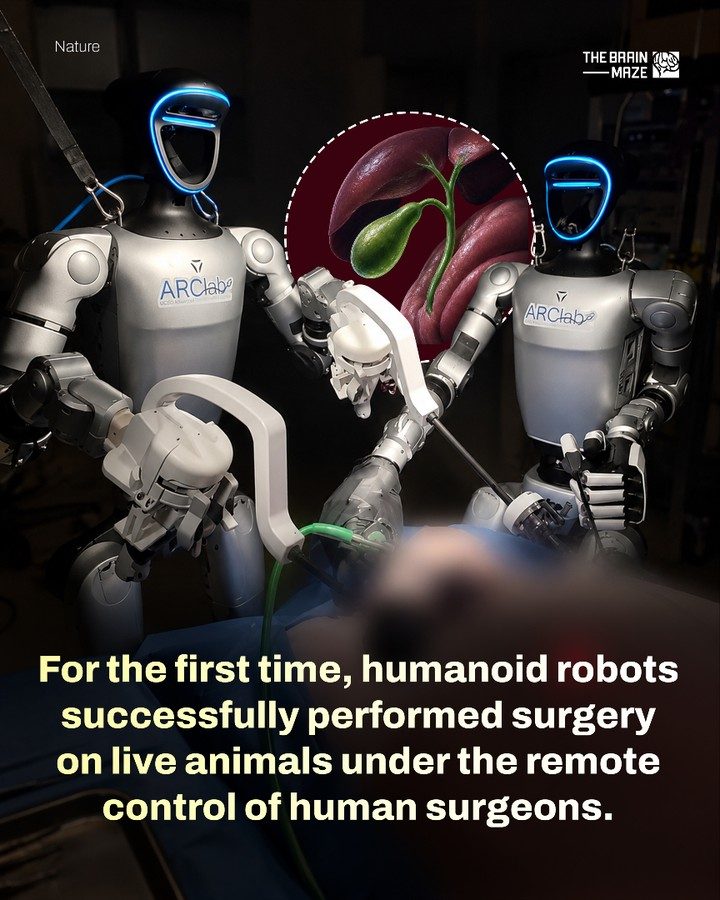
Humanoid Robots Perform Laparoscopic Surgery
The advancements in medical technology have led to some remarkable breakthroughs, one of which is the use of humanoid robots in performing laparoscopic surgeries. Recently, surgeons conducted laparoscopic gallbladder removals on live pigs using remotely operated humanoid robots. This groundbreaking study, published in Nature, showcases the potential of these robots for remote surgeries in underserved areas, hazardous environments, and even future space missions.
Context
Medical advancements have consistently aimed at improving accessibility and effectiveness in delivering healthcare. The development of remote robotic surgical systems holds the promise of bringing high-quality surgical care to areas where it might otherwise be unavailable. This technology can revolutionize how surgeries are performed, making them more accessible and safer for both patients and medical professionals.
The ARCLab Robotic Surgical System
The Technology
The humanoid robots used in this study are part of the ARCLab robotic surgical system. These robots are designed to mimic human movements, allowing surgeons to perform complex procedures with precision. The key feature of these robots is their ability to be remotely controlled, enabling surgeries to be conducted from a distance.
Performance and Safety
The laparoscopic gallbladder removals performed on live pigs demonstrated the robots' capability to execute procedures safely under human control. This is a significant milestone, as it proves that the technology can handle the delicate and intricate nature of laparoscopic surgeries.
Potential Applications
The potential applications of this technology are vast. Remote surgeries can be particularly beneficial in areas where medical resources are limited. For instance, underserved communities and hazardous environments, such as disaster zones or war-affected regions, could greatly benefit from this technology. Additionally, future space missions could also leverage this innovation, allowing for medical interventions even in the most challenging conditions.
The Significance of Remote Surgery
Accessibility
One of the most compelling aspects of remote surgery is its ability to increase accessibility. Patients in remote or underserved areas can receive high-quality surgical care without the need for them or the surgeon to travel. This can significantly reduce healthcare disparities and improve patient outcomes.
Safety
Remote surgery can also enhance safety for both patients and medical professionals. Surgeons can operate from a safe environment, reducing the risks associated with working in hazardous conditions. This is particularly relevant in disaster zones or conflict areas, where medical professionals often face significant risks.
Future Prospects
The successful completion of these procedures opens up new avenues for medical research and development. Future studies could explore the use of these robots in other types of surgeries and medical interventions, further expanding their potential applications.
Practical Tips for Implementing Remote Surgical Systems
Training and Certification
For surgeons to effectively use these robotic systems, comprehensive training and certification programs are essential. These programs should cover the technical aspects of operating the robots, as well as the surgical procedures themselves.
Infrastructure Development
To support remote surgery, robust infrastructure is necessary. This includes reliable internet connectivity, secure communication channels, and advanced surgical facilities. Developing this infrastructure can be challenging, particularly in underserved areas, but it is a crucial step in implementing remote surgical systems.
Regulatory Compliance
Ensuring compliance with regulatory standards is also important. This involves adhering to guidelines set by medical authorities and obtaining necessary approvals. Robust regulatory frameworks will help to ensure the safety and efficacy of remote surgical procedures.
Important Takeaways
The Future of Surgery
The successful use of humanoid robots in laparoscopic surgeries marks a significant step forward in medical technology. As the technology continues to evolve, it has the potential to transform how surgeries are performed, making them more accessible and safer for patients and medical professionals alike.
Benefits for Underserved Areas
The ability to perform surgeries remotely can greatly benefit underserved areas, providing high-quality medical care to communities that might otherwise lack access. This technology has the potential to reduce healthcare disparities and improve patient outcomes.
Potential Challenges
While the potential benefits are immense, implementing remote surgical systems also comes with challenges. These include the need for extensive training, robust infrastructure, and regulatory compliance. Addressing these challenges will be crucial in realizing the full potential of this technology.
Conclusion
The use of remotely operated humanoid robots for laparoscopic surgeries represents a significant advancement in medical technology. The ARCLab robotic surgical system, as demonstrated in the study, has the potential to revolutionize how surgeries are performed, making them more accessible and safer. As the technology continues to develop, it holds promise for transforming healthcare delivery, particularly in underserved areas and hazardous environments. By addressing the challenges associated with implementing this technology, we can unlock its full potential and bring high-quality surgical care to more patients around the world.
Watch the Reel
Questions readers ask
How do humanoid robots assist in laparoscopic surgery?
Humanoid robots assist in laparoscopic surgery by performing procedures with precision, such as gallbladder removal. They are equipped with remote control capabilities, allowing surgeons to operate from a distance, even in underserved or hazardous environments.
What are the potential benefits of using humanoid robots for remote surgery?
The primary benefit is increased accessibility to high-quality surgical care in remote or underserved areas. Additionally, these robots can perform surgeries in hazardous environments and even in space, making them a versatile tool for medical advancements.
What was significant about the study published in Nature?
The study showcased the feasibility of remotely operated humanoid robots performing laparoscopic gallbladder removals on live pigs. This demonstrated the potential for these robots to conduct complex surgical procedures in inaccessible areas, highlighting their future possibilities in remote and space surgeries.
Can humanoid robots perform surgeries in space?
Yes, humanoid robots have the potential to perform surgeries in space. Their remote control capabilities make them ideal for future space missions, where immediate medical intervention might be necessary.
Who controls the humanoid robots during surgery?
Surgeons control the humanoid robots during surgery. These robots are designed with remote control features, allowing surgeons to perform procedures from a distance, ensuring that they can be present in underserved or hazardous environments.
What makes humanoid robots suitable for hazardous environments?
Humanoid robots are suitable for hazardous environments because they can be remotely controlled, eliminating the need for human presence in dangerous situations. This allows surgeons to perform necessary procedures safely, even in inaccessible areas.
Related deep dives
Similar reads based on topic and creator.


Recent articles
Fresh deep dives from the latest Reels we unpacked.




Comments
Be the first to comment.